
How Long Is Kidney Transplant Surgery? Surgery Time, Hospital Stay and Recovery Explained


If you or someone you love is preparing for a transplant, one of the first questions is practical and personal: how long is kidney transplant surgery? It is a fair question. The operation is a major event, families need to plan, and waiting in a hospital corridor is easier when you know roughly what to expect.
The short answer is that most kidney transplant operations take between two and six hours. Different hospitals quote different averages, and the exact time depends on the patient, how long is kidney transplant surgery the type of donor and the surgical technique. This guide explains how long a kidney transplant takes from start to finish, including the donor’s operation, the hospital stay, the recovery period and the wait for a kidney in the first place.
How Long Is Kidney Transplant Surgery?

Reliable medical sources give slightly different numbers:
- Cleveland Clinic states that kidney transplant surgery takes about four to six hours on average.
- NHS Blood and Transplant (UK) lists the operation as taking about two to four hours.
Both can be correct. Some of the difference comes from how each centre counts the time. how long is kidney transplant surgery One may count only the surgical procedure, while another may include anaesthesia, positioning, and closing. Differences in surgical technique, experience and patient factors also play a part.
A practical way to think about it: plan for the operation to last roughly two to six hours, with the most common range falling around three to five hours. how long is kidney transplant surgery Your family will also wait longer than that, because anaesthesia preparation and waking up in the recovery area add extra time.
How Many Hours Is a Kidney Transplant Surgery?
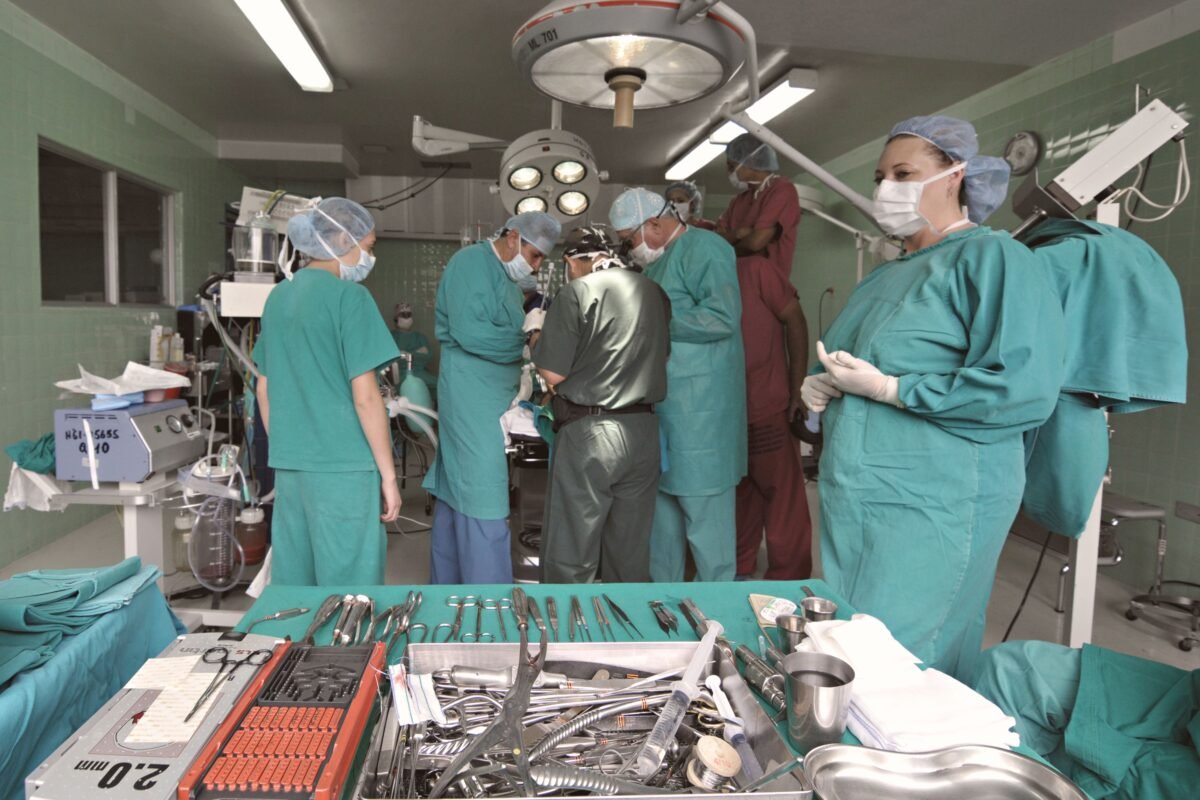
If you are asking how many hours is a kidney transplant surgery or how many hours is kidney transplant surgery for planning purposes, here is a realistic timeline for the day of the operation:
| Stage | Approximate Time |
|---|---|
| Arrival, final checks and blood tests | 1 to 3 hours before surgery |
| Anaesthesia and placement of lines and tubes | 30 to 60 minutes |
| The transplant operation itself | 2 to 6 hours |
| Waking up in the recovery area | 1 to 2 hours |
| Moving to a ward or high-dependency unit | Same day |
When a kidney comes from a deceased donor, the call can come at any hour, how long is kidney transplant surgery and the timing is driven by how quickly the kidney needs to be transplanted. With a planned living donor transplant, the date is scheduled in advance.
How Long Does a Kidney Transplant Take for the Recipient?

Many people ask how long does kidney transplant surgery take for the recipient, how long is kidney transplant surgery because the recipient’s operation is the longer and more complex one in most cases.
In a typical transplant:
- The patient is given a general anaesthetic and is asleep for the whole operation.
- Small tubes are placed in the arms, sometimes the neck, and the bladder, so that fluids, medicines and urine drainage can be managed.
- The surgeon makes an incision in the lower abdomen, usually on the right or left side of the groin area.
- The donor kidney is placed in the lower abdomen. Your own kidneys are usually left where they are unless they are causing problems such as pain or infection.
- The kidney’s artery and vein are stitched to blood vessels in your pelvis. Blood flow is temporarily stopped while this is done, then restored.
- The kidney’s ureter (the tube that carries urine) is joined to your bladder, often with a small temporary stent to help the connection heal.
- The muscles and skin are closed.
For most patients, this entire process fits into the two to six hour range. how long is kidney transplant surgery It may take longer if there are complications, scar tissue from earlier surgery, or unusual blood vessels.
When Surgery Can Take Longer
Some situations make the operation longer or more complex:
- A repeat transplant, where scar tissue from a previous operation makes the work harder.
- A dual kidney transplant, where two kidneys are placed into one patient because the donor kidneys have lower than average function.
- A paediatric en bloc transplant, where both kidneys from a very young donor are transplanted together into an adult.
- Removal of the patient’s own kidneys, which is rare and is mainly done in conditions such as polycystic kidney disease.
- Obesity, vascular disease or other medical conditions that make the surgery more technically demanding.
If your surgeon expects a longer operation, they will normally explain why beforehand.
How Long Does a Kidney Transplant Surgery Take for the Donor?
For living donors, the question is how long does kidney transplant surgery take for the donor. The donor’s operation is called a donor nephrectomy.
Typical figures for a living donor are:
- Operation time: about two to four hours, depending on the technique. Most centres now use laparoscopic (keyhole) surgery, which uses small incisions and a camera.
- Hospital stay: often one to three days.
- Recovery: many donors return to light activity in a few weeks, and many return to desk work within about four to six weeks, though heavier activity takes longer.
These are general figures, and individual hospitals vary. A donor should always follow the transplant centre’s own guidance. In a living donor transplant, how long is kidney transplant surgery the donor’s and recipient’s operations often happen at the same time in neighbouring operating rooms, so the kidney can be moved a short distance and transplanted quickly.
How Long Does a Kidney Operation Take If It Is Not a Transplant?
People sometimes search how long does kidney surgery take or how long does a kidney operation take when they are not talking about a transplant. Other kidney operations include:
- Removal of a kidney (nephrectomy), usually around two to four hours.
- Kidney stone procedures, which can be much shorter, sometimes under an hour.
- Operations for cancer or blockage, which vary based on how complex the case is.
For this article, the focus is the transplant operation. how long is kidney transplant surgery If you are preparing for a different kidney procedure, ask your surgeon for specific timings.
How Long Does a Kidney Transplant Operation Last? What Affects the Duration
If you are wondering how long does a kidney transplant operation last or how long does a kidney transplant surgery last, several factors can speed it up or slow it down:
- Type of donor. Living donor kidneys are usually healthy and ready to go, and the timing is planned. Deceased donor kidneys may need extra checks before they are placed.
- Surgical technique. Surgeons have different preferred techniques.
- Your anatomy and medical history. Previous abdominal surgery, narrow or calcified blood vessels, or a small bladder can add time.
- Whether the kidney starts working straight away. Some kidneys work immediately. Others need a short time to “wake up.”
- The surgical team. Experienced transplant teams are efficient, but safety comes before speed.
- Biopsy of the donor kidney. Some surgeons take a small biopsy at the time of surgery.
- Unexpected findings or bleeding. These are not common, but they can extend the operation.
A longer surgery is not necessarily a bad sign. It may simply mean the surgeon is taking extra care.
How Long Are You in the Hospital After a Kidney Transplant?
Another question patients ask is how long are you in the hospital after kidney transplant or, in shorter form, kidney transplant how long in hospital.
Cleveland Clinic notes that most people spend about three days in the hospital after a kidney transplant. how long is kidney transplant surgery In practice, many patients stay somewhere between three and seven days, and some stay longer. The exact stay depends on:
- How quickly the new kidney starts to work
- Whether you need dialysis for a short time afterwards
- Whether there are signs of infection, bleeding or rejection
- Your overall health and how quickly you recover from the operation
- How the hospital manages the first few days of follow-up
During this time, the team will monitor your urine output, blood tests, blood pressure and fluid balance. You will begin your anti-rejection (immunosuppressant) medicines and learn how to take them. how long is kidney transplant surgery You will also get up and walk as soon as it is safe, which helps with recovery and lowers the risk of clots and chest problems.
After discharge, expect frequent clinic visits, often several times a week at first, with blood tests to check how the kidney is performing.
How Long to Recover From a Kidney Transplant?
When people ask how long to recover from kidney transplant, they usually mean when they can feel normal again. Cleveland Clinic gives an average recovery time of about six weeks, and notes that the timeline is different for everyone.
Here is a general picture of recovery:
- First days to week one: You are in hospital or just home, tired and sore, with a healing incision. You will be on several medicines.
- Weeks one to six: You gradually build up walking and light activity. Fatigue is common. You will have regular clinic visits.
- Around six to eight weeks: Many people feel much stronger. Driving is often restricted for around six weeks, and heavy lifting is usually restricted for at least eight weeks or longer.
- Two to three months and beyond: Many people return to work within a few months, depending on the job and their health. Full energy may take longer.
How Long Is Kidney Transplant Surgery Recovery in Practice?
If you search how long is kidney transplant surgery recovery or how long to recover from kidney transplant surgery, remember that “recovery” has stages. Physical healing of the incision may be mostly done within six weeks, but building stamina, adjusting to new medicines and getting stable lab results can take several months. Think of the first year as a period of adjustment, with your team fine-tuning your medicines and monitoring for any complications.
Tips for a Smoother Recovery
- Follow your transplant team’s instructions closely.
- Take anti-rejection medicines exactly as prescribed and never skip doses.
- Drink enough fluids, as advised by your team.
- Avoid raw or undercooked foods because your immune system is suppressed.
- Avoid grapefruit and grapefruit juice, and check with your team before taking any supplements or herbal products.
- Avoid anti-inflammatory painkillers such as ibuprofen or naproxen unless your team says otherwise.
- Avoid contact sports that could injure the transplanted kidney.
- Attend every follow-up appointment.
How Long Does It Take to Get a Kidney Transplant? The Waiting Time
Many people are not only asking about the operation. They want to know how long does it take to get kidney transplant or how long to get kidney transplant overall, from diagnosis to surgery. This is often the longest part of the journey.
The wait varies hugely by country, region, blood group, tissue type and medical urgency. Some key points:
- Living donor transplants can sometimes happen within months of evaluation, once a suitable donor has been found and both people have passed their checks.
- Deceased donor transplants involve joining a waiting list. The wait can be months to several years. People with rarer blood groups or higher levels of antibodies may wait longer.
- Preemptive transplants happen before a person needs dialysis, and are possible when a donor is available early enough.
The Steps Before Surgery
Before you can be listed, you will usually go through:
- A referral to a transplant centre
- An assessment, including blood tests, heart and lung checks, and imaging
- A review of your general health, support at home and readiness for the commitment of lifelong medicines
- Being added to the waiting list, or beginning living donor matching
Because waiting times depend so much on your location and circumstances, how long is kidney transplant surgery ask your transplant centre for current local figures rather than relying on a general number.
How Much Time Does a Kidney Transplant Take, From Start to Finish?
If you are asking how much time does a kidney transplant take, how much time it takes for kidney transplant, how much time kidney transplant surgery take or how much time taken in kidney transplant operation, the answer depends on which part of the journey you mean. Here is the whole picture in one table.
| Stage of the Kidney Transplant Journey | Typical Time |
|---|---|
| Waiting for a deceased donor kidney | Months to several years, depending on location and match |
| Living donor evaluation and matching | Often several weeks to months |
| Kidney transplant surgery (recipient) | About 2 to 6 hours |
| Living donor surgery (donor) | About 2 to 4 hours |
| Hospital stay after transplant (recipient) | Commonly about 3 to 7 days, sometimes longer |
| Hospital stay after donation (donor) | Commonly 1 to 3 days |
| Early recovery (recipient) | About 6 weeks |
| Driving restriction | Often around 6 weeks |
| Heavy lifting restriction | At least 8 weeks, sometimes longer |
| Return to work | Often within a few months |
| Lifespan of a transplanted kidney | On average about 10 years, with living donor kidneys often lasting longer |
These figures are general. Your own timeline may be shorter or longer.
How Long Does a Kidney Transplant Last After Surgery?
Once the operation is done, the next question is how long the new kidney will last. According to Cleveland Clinic, transplanted kidneys last about 10 years on average. Kidneys from living donors tend to last longer than those from deceased donors, how long is kidney transplant surgery with typical figures of roughly 12 to 20 years for living donor kidneys and roughly 8 to 12 years for deceased donor kidneys. Some people have kidneys that function for decades, and some people receive more than one transplant in a lifetime.
How long a kidney lasts depends on factors such as your age, general health, how well you take your medicines, blood pressure control, infections and whether rejection occurs.
What Happens During the First Days After Surgery?
Understanding the first few days can make the hospital stay less frightening.
- Waking up. You will wake in a recovery area with several tubes and monitors. This is normal.
- Urinary catheter. A catheter drains urine from your bladder. It is usually removed within days.
- Drain. Some patients have a small drain near the incision to remove fluid.
- Pain control. You will receive pain relief, and it is important to tell staff if you are uncomfortable.
- The new kidney. Your new kidney may start working immediately, or you may need temporary dialysis for several days or weeks until it does.
- The stent. If a ureteric stent was placed, it is usually removed several weeks after surgery in a simple procedure.
- Medicines. You will begin immunosuppressants to protect the kidney from rejection.
When Should You Contact Your Transplant Team?
After you go home, contact your transplant team promptly if you notice:
- A temperature of 37°C (100°F) or higher, or as advised by your team
- New pain or tenderness around the transplanted kidney
- Swelling in the legs, ankles or body
- Flu-like symptoms such as chills, headaches, dizziness, nausea or vomiting
- A noticeable drop in the amount of urine you pass
- Redness, discharge or opening of the wound
- Any new or unusual symptoms
Early reporting makes a real difference. Do not wait for your next scheduled appointment if something feels wrong.
Frequently Asked Questions (FAQs)
1. How long is kidney transplant surgery?
Most kidney transplant operations take about two to six hours. Different hospitals report different averages, with some quoting two to four hours and others four to six hours.
2. How long does a kidney transplant take for the whole process?
The operation itself takes a few hours, but the whole process includes waiting for a donor (which can take months or years for a deceased donor), the hospital stay of a few days to a week, and about six weeks of early recovery.
3. How long does kidney transplant surgery take for the donor?
A living donor’s operation commonly takes around two to four hours, often using keyhole surgery. Hospital stay is usually one to three days.
4. How long does kidney transplant surgery take for the recipient?
The recipient’s surgery typically takes about two to six hours, depending on the technique and the individual case.
5. How long are you in the hospital after a kidney transplant?
Many patients stay around three days, though a stay of up to a week or more is common if there are complications or the kidney is slow to start working.
6. How long is recovery after a kidney transplant?
Early recovery takes around six weeks on average. Many people return to work within a few months, but full recovery and adjustment can take longer.
7. Is kidney transplant surgery painful?
You will be under general anaesthesia during surgery, so you will not feel it. Afterwards, you may have soreness around the incision, which is managed with pain relief.
8. Does the new kidney work immediately?
Often it does, but sometimes it takes days or weeks to start working, and you may need dialysis in the meantime.
9. How big is the scar after a kidney transplant?
The scar is usually about two to five inches (roughly 5 to 13 cm) long on one side of the lower abdomen.
10. Are the patient’s own kidneys removed?
Usually not. The old kidneys are normally left in place unless they cause problems such as pain, infection or very large cysts.
11. How long does the donor take to recover?
Many living donors recover well within a few weeks, though the timing varies. Your donor team will give specific advice about work and activity.
12. How long does a transplanted kidney last?
On average, about 10 years, but living donor kidneys often last longer, and many last for decades with good care.
Final Thoughts: How Long Is Kidney Transplant Surgery, and What Matters Most?
So, how long is kidney transplant surgery? In most cases, the operation takes between two and six hours, with hospital stays of a few days and an early recovery period of around six weeks. A living donor’s operation typically takes two to four hours, with a shorter hospital stay and recovery.
But the length of the surgery is only one piece of the story. The longer parts of the journey are the wait for a suitable kidney, the weeks of healing afterwards, and the lifelong commitment to taking anti-rejection medicines and attending follow-up. The good news is that kidney transplantation is a well-established treatment. For many people, it offers more energy, fewer restrictions on food and fluids, and freedom from dialysis schedules.
If you are preparing for a transplant, write down your questions and bring them to your transplant team. Ask them about their own average surgery time, expected hospital stay, recovery plan and how long they expect the wait to be in your situation. With good preparation, clear information and strong support from family and your medical team, you can approach the day with more confidence.


