
How to Start Stretching Routine: Simple Steps for Beginners (With a 5-Minute Starter and 7-Day Plan)


how to start stretching routine To start a stretching routine, begin with five gentle stretches (chest, hip flexors, hamstrings, calves and neck), warm up for 5 minutes first, hold each stretch for about 30 seconds until you feel a mild pull (never sharp pain), and repeat on both sides. Do it on 3 or more days a week, ideally daily, and add time slowly over three weeks. The first week should take about 5 minutes a day. Consistency matters far more than how deep you stretch.
In this guide: warm-up, a 5-minute starter routine, a 10-minute full-body routine, a 15-minute level, hold times and frequency, a 7-day plan, a 3-week progression, options for desk workers, how to start stretching routine older adults and stiff beginners, static vs dynamic stretching, mistakes, a pain vs stretch checklist, habit tips, and FAQs.
How to Start Stretching Routine as a Beginner
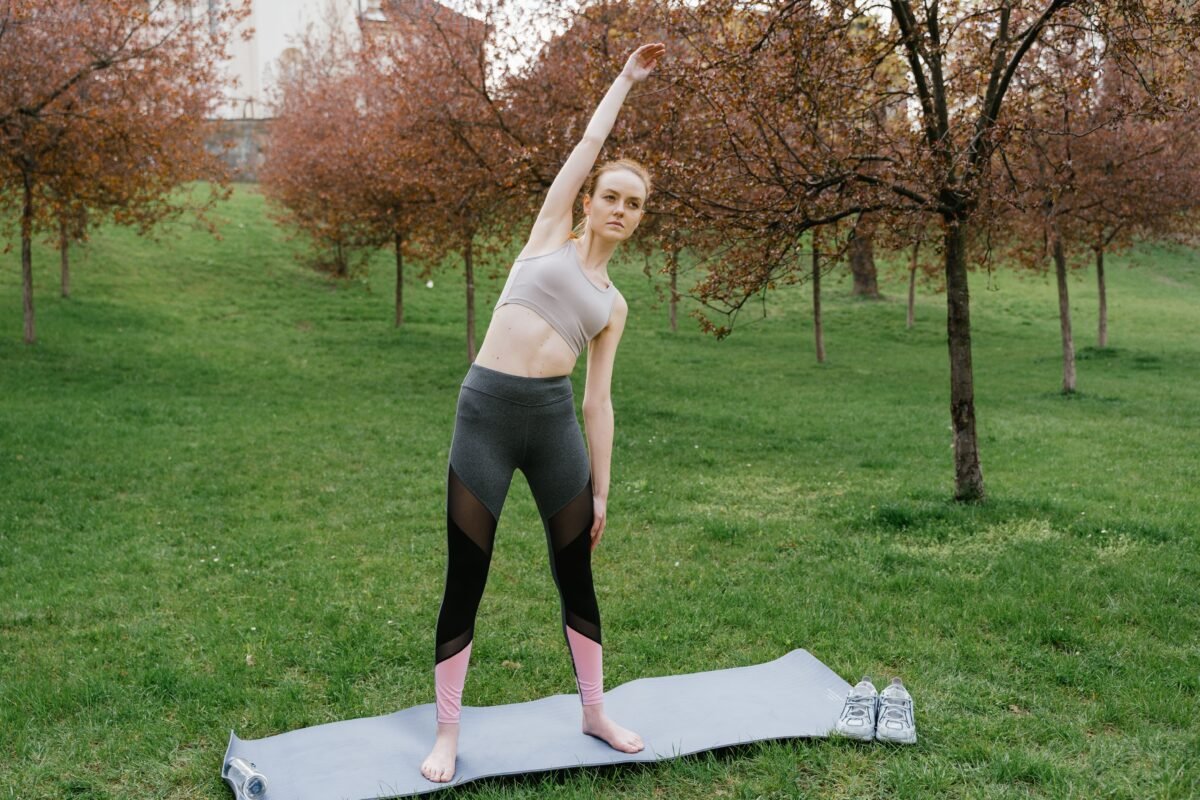
Most beginners fail at stretching for one of three reasons: how to start stretching routine they try to do too much, they push into pain, or they quit after a week because it feels pointless. A good starter routine avoids all three. Follow these five steps.
- Pick one simple goal. Examples: less stiffness in the morning, easier movement after sitting, or touching your toes comfortably in a couple of months. A clear goal helps you choose which stretches matter most.
- Start with 5 minutes. A short routine you actually do beats a 30-minute plan you skip. You can grow it later.
- Choose a fixed time. Attach stretching to something you already do: after brushing your teeth, after your morning coffee, or before your evening shower.
- Use five stretches, not twenty. The 5-minute starter below covers the main areas that get tight from sitting and daily life.
- Stretch gently. You should feel a mild to moderate pull, not pain. Breathe slowly, never bounce, and stop if something feels wrong.
What to Do Before You Start Stretching
Warm up for 5 minutes
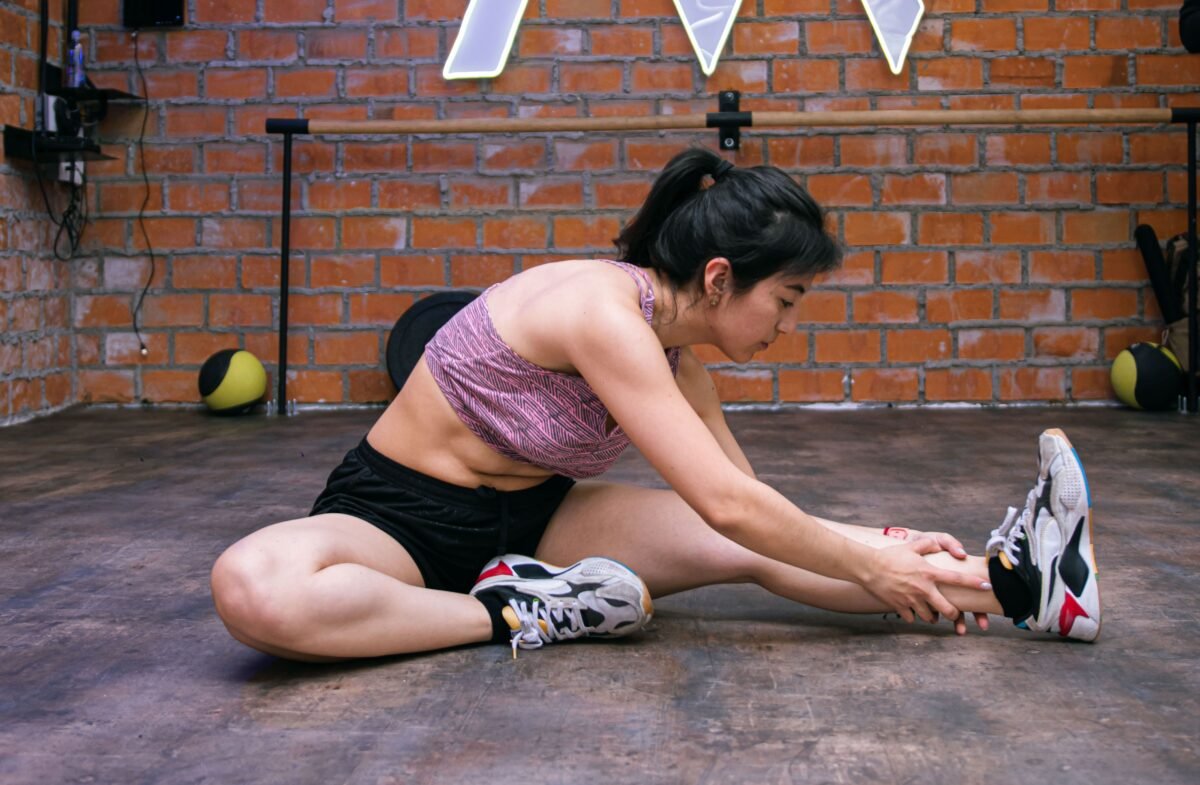
Stretching cold muscles is the fastest way to feel tight, sore or, how to start stretching routine in the worst case, strained. A short warm-up raises your body temperature and gets blood flowing. Pick any of these and do them for about 5 minutes:
- Brisk walking around your home or outside
- Marching in place with your arms swinging
- Gentle arm circles and shoulder rolls
- Slow bodyweight squats or step-ups
- Light stair climbing
If you stretch right after exercise, you can usually skip the separate warm-up because your muscles are already warm.
Set up your space
- Wear comfortable clothes that do not restrict movement.
- Use a mat or carpeted area, and a wall or sturdy chair for balance.
- Keep your phone or a clock nearby to time your holds, so you are not guessing.
Breathe and relax
Breathe in through your nose and out slowly. On each exhale, how to start stretching routine try to let the muscle relax a little. Holding your breath tightens your body and makes stretching feel harder than it is.
Your 5-Minute Starter Stretching Routine (Start Here)
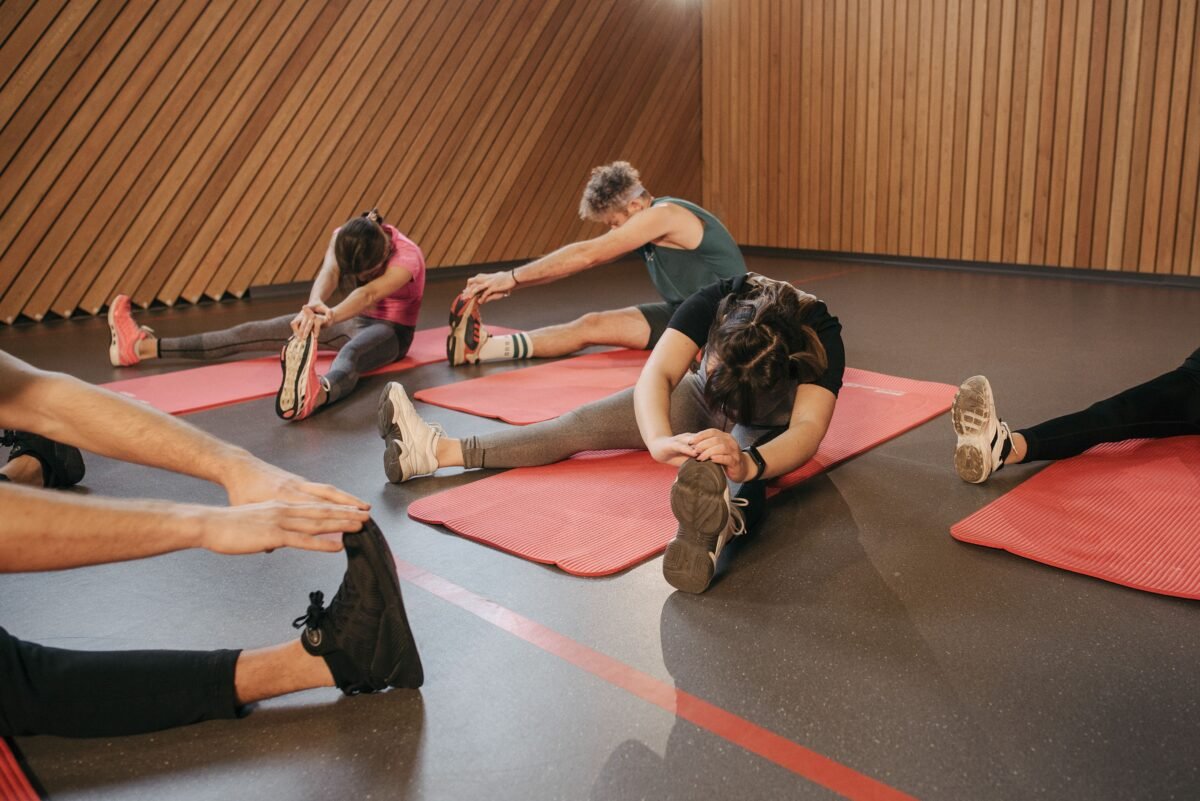
If you do nothing else from this article, do this. It takes about 5 minutes including both sides, how to start stretching routine and it targets the areas that tighten most for people who sit a lot.
| # | Stretch | Target area | Hold | Sides |
|---|---|---|---|---|
| 1 | Doorway chest stretch | Chest, front of shoulders | 30 seconds | Both arms together |
| 2 | Kneeling hip-flexor stretch | Front of hips | 30 seconds | Each side |
| 3 | Seated or standing hamstring stretch | Back of thighs | 30 seconds | Each side |
| 4 | Wall calf stretch | Calves | 30 seconds | Each side |
| 5 | Gentle neck side tilt | Side of neck, upper trapezius | 20 to 30 seconds | Each side |
How to do it: Warm up first. Move slowly from stretch to stretch. Hold each one at a comfortable stretch, breathe normally, then switch sides. Do one round in week one.
Full-Body Beginner Stretches: Step-by-Step Instructions
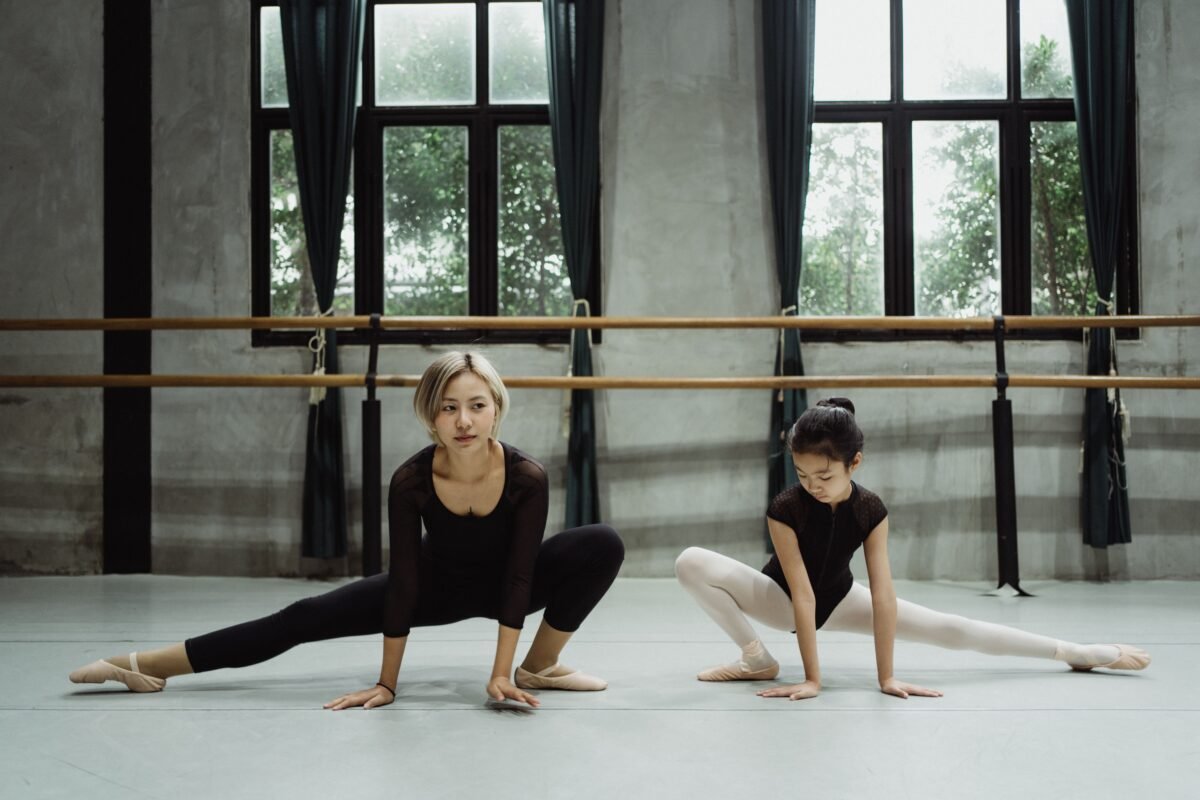
Use the same format for every stretch so you always know what to do: how to start stretching routine starting position, movement, hold time, target area, a common mistake and an easier option.
1. Doorway chest stretch
Target: Chest and front of shoulders. Start: Stand in a doorway with your forearms on the frame, elbows about shoulder height or slightly lower. Move: Step one foot forward and lean gently until you feel a stretch across the chest. how to start stretching routine Hold: 30 seconds. Repeat: 2 times. Common mistake: Shrugging the shoulders toward your ears or arching the lower back. Easier option: Place your hands lower on the frame, or do one arm at a time.
2. Kneeling hip-flexor stretch
Target: Front of the hip and upper thigh. Start: Kneel on one knee (pad it with a folded towel), the other foot flat in front. Move: Tuck your tailbone slightly and shift your weight forward until you feel the front of the back hip stretch. how to start stretching routine Hold: 30 seconds each side. Repeat: 2 times. Common mistake: Leaning back or arching the lower back. Easier option: Stand in a lunge position and use a chair for balance, or shorten the step.
3. Hamstring stretch
Target: Back of the thigh. Start: Sit near the edge of a chair, one leg extended with the heel on the floor and toes up. Move: Keep your back long and hinge forward from the hips until you feel a pull behind the thigh. Hold: 30 seconds each side. Repeat: 2 times. how to start stretching routine Common mistake: Rounding the back and reaching for your toes. Easier option: Bend the knee slightly or lie on your back and use a towel around your foot.
4. Wall calf stretch
Target: Calf muscles. Start: Face a wall with hands on it. Step one foot back with the heel down and toes pointing forward. Move: Bend the front knee and lean gently toward the wall. Hold: 30 seconds each side. Repeat: 2 times. Common mistake: Lifting the back heel. Easier option: Shorten the step.
5. Neck side tilt
Target: Side of the neck and upper shoulder. Start: Sit or stand tall, shoulders relaxed. Move: Gently lower one ear toward the shoulder. Keep the other shoulder down. Do not pull on your head. Hold: 20 to 30 seconds each side. Repeat: 1 to 2 times. Common mistake: Forceful neck circles or pulling hard with your hand. Easier option: Make the tilt smaller. Stop if you feel tingling, numbness or sharp pain.
6. Cross-body shoulder stretch
Target: Back of the shoulder. Start: Stand or sit tall, one arm across your chest. Move: Use the other hand to hold the arm above or below the elbow (not on the joint) and gently draw it toward you. how to start stretching routine Hold: 30 seconds each side. Common mistake: Twisting the body or lifting the shoulder. Easier option: Reduce the pull.
7. Standing side bend
Target: Sides of the torso. Start: Feet hip-width apart, one arm overhead. Move: Lean gently to the opposite side without leaning forward or back. Hold: 20 to 30 seconds each side. Easier option: Do it seated.
8. Cat-cow (gentle spine mobility)
Target: Back and spine. Start: On hands and knees, hands under shoulders and knees under hips. Move: Slowly round your back, then gently lift your chest and look slightly forward. how to start stretching routine Move with your breath. Repeat: 8 to 10 slow cycles. (This is a movement-based stretch, not a long hold.) Easier option: Do the seated version, moving the spine gently in the chair.
9. Standing quadriceps stretch
Target: Front of the thigh. Start: Hold a wall or chair for balance. Bend one knee and hold the ankle behind you. Move: Keep your knees close together and tuck your hips slightly. Hold: 30 seconds each side. Easier option: Use a strap or towel around your ankle.
10. Figure-four glute stretch
Target: Buttocks and outer hip. Start: Lie on your back with knees bent. how to start stretching routine Cross one ankle over the opposite thigh. Move: Gently draw the bottom leg toward your chest until you feel a stretch in the hip. Hold: 30 seconds each side. Easier option: Do it seated in a chair with the ankle on the opposite knee.
Three Routine Levels: 5, 10 and 15 Minutes
Pick the level that fits your day. All three use the same moves.
| Level | Time | What to do |
|---|---|---|
| Starter | About 5 minutes | Stretches 1 to 5 (chest, hip flexor, hamstring, calf, neck), one round |
| Standard | About 10 minutes | Stretches 1 to 10, one round each, about 30 seconds per hold |
| Extended | About 15 minutes | Stretches 1 to 10, two rounds of the tightest areas, plus longer holds up to 45 to 60 seconds where it feels comfortable |
How Long to Hold Each Stretch and How Often to Stretch
There is no single magic number, and recommendations vary by goal, age and health. A widely used guideline from exercise-science bodies such as the American College of Sports Medicine (ACSM) is:
- Frequency: At least 2 to 3 days a week; daily stretching gives the best results for flexibility.
- Hold time: About 10 to 30 seconds for most adults; 30 to 60 seconds can be helpful for older adults.
- Repetitions: 2 to 4 repetitions of each stretch, aiming for roughly 60 seconds of total stretching time per muscle group.
- Intensity: Stretch to the point of mild tension or slight discomfort, not pain.
For a beginner, a practical way to apply this is: hold 30 seconds, repeat twice if you have time, how to start stretching routine and stretch most days. Please verify current guidance with your doctor or physiotherapist if you have a health condition. [Editor: add citation links to ACSM guidance and the medical sources your reviewer approves before publishing.]
A Simple 7-Day Beginner Stretching Schedule
This plan keeps sessions short and builds a habit. Rest or easy days are part of the plan, not failure.
| Day | Plan | Time |
|---|---|---|
| Day 1 | 5-minute starter routine | 5 min |
| Day 2 | 5-minute starter routine | 5 min |
| Day 3 | Light walk plus neck, shoulder and side-bend stretches (easy day) | 5 to 8 min |
| Day 4 | 5-minute starter routine plus figure-four and quad stretch | 7 to 8 min |
| Day 5 | 5-minute starter routine | 5 min |
| Day 6 | Full 10-minute routine (stretches 1 to 10) | 10 min |
| Day 7 | Rest, or a gentle walk and a few stretches for whatever feels tight | 0 to 5 min |
Tracker tip: Draw a simple calendar and mark each day you stretch. how to start stretching routine Also write one line each day: “Felt: easy / okay / tight.” After a week you will see patterns, such as which stretches help most.
3-Week Progression Plan
Avoid doing too much too soon. Increase one thing at a time.
| Week | Focus | What to change |
|---|---|---|
| Week 1 | Build the habit | 5-minute starter routine, 5 days a week, one round, 20 to 30 second holds |
| Week 2 | Add moves | Move to the 10-minute routine on most days, 30 second holds |
| Week 3 | Add time and a second round | Repeat the tightest stretches twice, increase holds toward 45 seconds if comfortable |
| Week 4 and beyond | Maintain and personalize | Keep 10 to 15 minutes, 4 to 7 days a week, and adjust for goals |
Rule of thumb: If you finish a session feeling worse the next day (sore, pulled or tingling), go back to the previous week’s level.
Options for Different Beginners
Most articles give one routine for everyone. Here is how to adjust.
Desk workers
Prioritize chest, hip flexors, neck and upper back. how to start stretching routine Add two “micro-breaks” during the day: stand, do a doorway chest stretch and a standing hip-flexor stretch for 30 seconds each. Set a reminder every 60 to 90 minutes.
Older adults
Use chair-based versions where possible, hold for 30 to 60 seconds if it feels comfortable, and keep a wall or sturdy chair nearby for balance. Avoid positions that make you dizzy or unstable. Check with a clinician if you have joint replacement, osteoporosis or balance issues.
Very stiff or low-flexibility beginners
Use the easier options listed for each stretch. Use towels or straps, shorten the range, and stretch after a warm shower or walk. Progress will be slow at first, and that is normal.
People who exercise or run
Do dynamic movements before your workout and gentle static stretches afterward (see the next section). Focus on calves, hamstrings, quads and hips.
Morning stretchers
Your body can feel stiffer after sleep. Start with gentle movement such as cat-cow and shoulder rolls before holding deeper stretches, and avoid forcing the range.
Static vs Dynamic Stretching: What’s the Difference?
Static stretching means holding a position for a set time, like the 30-second holds in this guide. how to start stretching routine It is useful for improving flexibility and relaxing muscles, and it fits well after exercise or as its own session.
Dynamic stretching means moving a joint smoothly through its range, such as leg swings, arm circles or walking lunges. It is commonly used as part of a warm-up before sports or workouts.
| Static | Dynamic | |
|---|---|---|
| What it is | Hold a position | Move through a range |
| Best time | After exercise, or a separate session | Before exercise, as part of a warm-up |
| Example | Hamstring stretch with a 30 second hold | Leg swings, arm circles |
| Helps with | Flexibility, relaxation | Preparing the body to move |
For a general beginner session at home, a short warm-up followed by static stretches works well.
Stretch Sensation vs Pain: How to Know When to Stop
This is the part many guides skip, and it is the most important for safety.
| Normal stretch sensation | Stop and reassess |
|---|---|
| A mild to moderate pull or tension in the muscle | Sharp, stabbing or burning pain |
| Feels like it eases after 10 to 20 seconds | Pain that gets worse as you hold |
| Both sides feel roughly similar | Numbness, tingling or pins and needles |
| Fades soon after you stop | Pain that lingers for hours or days |
| Slight soreness next day, which fades | Joint pain, clicking with pain, or swelling |
If you notice the signs in the right column, ease off, reduce the range or skip that stretch. If symptoms persist or worsen, see a doctor or physiotherapist.
Common Stretching Mistakes Beginners Should Avoid
- Stretching cold muscles. Warm up for 5 minutes first.
- Bouncing. Hold the position steadily instead of bouncing in and out of it.
- Pushing into pain. More pain does not mean more progress.
- Holding your breath. Breathe slowly and steadily.
- Skipping sides. Stretch both sides, and notice if one side is tighter.
- Doing too much too soon. Follow the progression plan above.
- Stretching only when you feel tight. Regular, short sessions work better than occasional long ones.
- Expecting overnight results. Flexibility tends to improve over weeks, not days.
How to Build a Consistent Stretching Habit
- Habit stacking: Link stretching to something you already do daily, such as after brushing your teeth.
- Make it easy: Keep a mat visible, or leave a chair next to your desk.
- Use reminders: A phone alarm or calendar event works better than good intentions.
- Track it: Mark each day on a calendar. Seeing a streak builds momentum.
- Never miss twice: If you skip a day, do a 2-minute version the next day rather than quitting.
- Measure progress simply: Every two weeks, note how a seated hamstring stretch or a standing reach feels. Do not compare yourself with others.
- Pair it with something enjoyable: Podcast, music or a quiet few minutes.
When to Modify a Stretch or Ask a Healthcare Professional
Talk to a doctor or physiotherapist before starting, or if symptoms appear, if you have:
- A recent injury, fracture, surgery or joint replacement
- Ongoing or unexplained pain, swelling or numbness
- Osteoporosis, severe arthritis or other joint or bone conditions
- Pregnancy or postpartum recovery
- Dizziness, balance problems or heart or blood pressure conditions
- Any condition where a clinician has advised you to limit movement
A professional can tailor a plan to your needs and show you which stretches to avoid.
Frequently Asked Questions
How do I start a stretching routine?
Begin with a 5-minute warm-up and five gentle stretches (chest, hip flexors, hamstrings, calves, neck). Hold each for about 30 seconds on both sides, stretch most days and increase the time gradually over three weeks.
How many minutes a day should a beginner stretch?
Start with 5 minutes a day. Build up to 10 to 15 minutes over a few weeks if you enjoy it and recover well.
Should I stretch every day?
Guidelines suggest at least 2 to 3 days a week, and daily stretching is generally most effective for flexibility. If you are new, five days a week with a lighter easy day is a sensible start.
What is the best time of day to stretch?
The best time is the one you will stick to. Many people like mornings to reduce stiffness or evenings to unwind. Make sure your muscles are warm, either from a short warm-up or after exercise.
How long should I hold a stretch?
Around 30 seconds is a common starting point for most adults, with 30 to 60 seconds often suggested for older adults. Repeat 2 to 4 times if you can.
Can stretching improve flexibility if I am very stiff?
Yes, with regular practice over weeks. Use easier variations, avoid forcing the range and be patient.
Your Next Step
Starting a stretching routine does not require special equipment, a gym or lots of time. Pick one time of day, do the 5-minute starter routine, and mark it on a calendar. After a week, move to the 10-minute routine. Keep your stretches gentle, keep breathing, and let consistency do the work.





One Comment