Hand Foot and Mouth Disease at a Glance
Hand, foot and mouth disease (HFMD) is a common, very contagious viral illness. It causes fever, painful mouth sores and a blister-like rash, usually on the hands and feet. It affects mostly children under 5, but adults can catch it too. Most people recover on their own within 7 to 10 days. There is no specific antiviral medicine, so treatment focuses on comfort and fluids.
| Key fact | What to know |
|---|---|
| Cause | Enteroviruses, mainly coxsackievirus A16 and enterovirus A71, also coxsackievirus A6 and A10 |
| Incubation period | Usually 3 to 6 days after exposure |
| Main symptoms | Fever, sore throat, mouth sores, rash on palms and soles |
| How long it lasts | Usually 7 to 10 days |
| Most contagious | During the first week of illness, but the virus can stay in stool for weeks |
| Treatment | Fluids, rest and pain relief; no specific antiviral |
| Biggest everyday risk | Dehydration, because mouth sores make drinking painful |
| Vaccine | An EV-A71 vaccine is used in China; no vaccine is routinely available in the US or EU |
| Not the same as | Foot-and-mouth disease in animals |
Go to a doctor urgently if your child cannot drink, has signs of dehydration, hand foot and mouth disease has a stiff neck, severe headache, unusual sleepiness, seizures, or trouble breathing. The full red-flag list is in the “When to See a Doctor” section below.
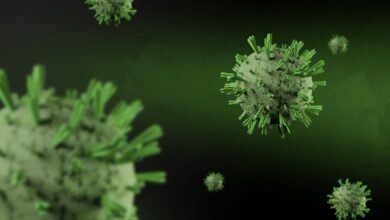
What Is Hand Foot and Mouth Disease?
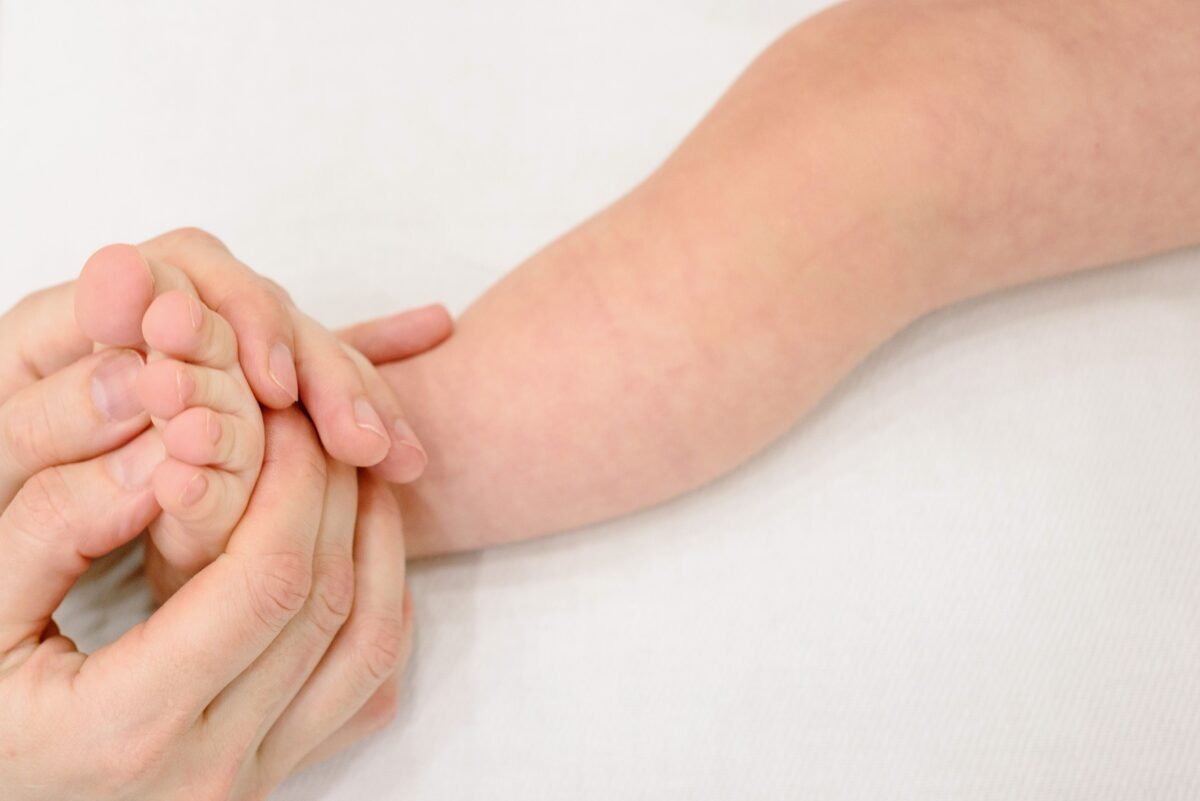
Hand foot and mouth disease is an infection caused by a group of viruses called enteroviruses. The name describes where its signs usually appear: sores inside the mouth and a rash on the hands and feet. The rash can also show up on the buttocks, knees, elbows and genital area.
The illness spreads easily wherever young children gather, such as nurseries, daycare centers, preschools and playgroups. It is usually mild. Many children have a few uncomfortable days, hand foot and mouth disease then recover fully without treatment. However, a small number of cases, mostly linked to one particular virus type, can become serious. That is why knowing the warning signs matters.
Two points often cause confusion:
- HFMD is a different illness from foot-and-mouth disease, which affects cattle, sheep, pigs and other livestock. They are caused by different viruses. You cannot catch HFMD from animals, hand foot and mouth disease and your pets cannot give it to you.
- HFMD is not caused by poor hygiene alone. It spreads easily even in clean homes, because infected people can carry the virus before they feel unwell.
HFMD is found worldwide. Large outbreaks have been reported repeatedly across the Asia-Pacific region since the late 1990s, and the illness is also common in Europe, the Americas and Africa.
Hand Foot and Mouth Disease Symptoms: A Day-by-Day Timeline
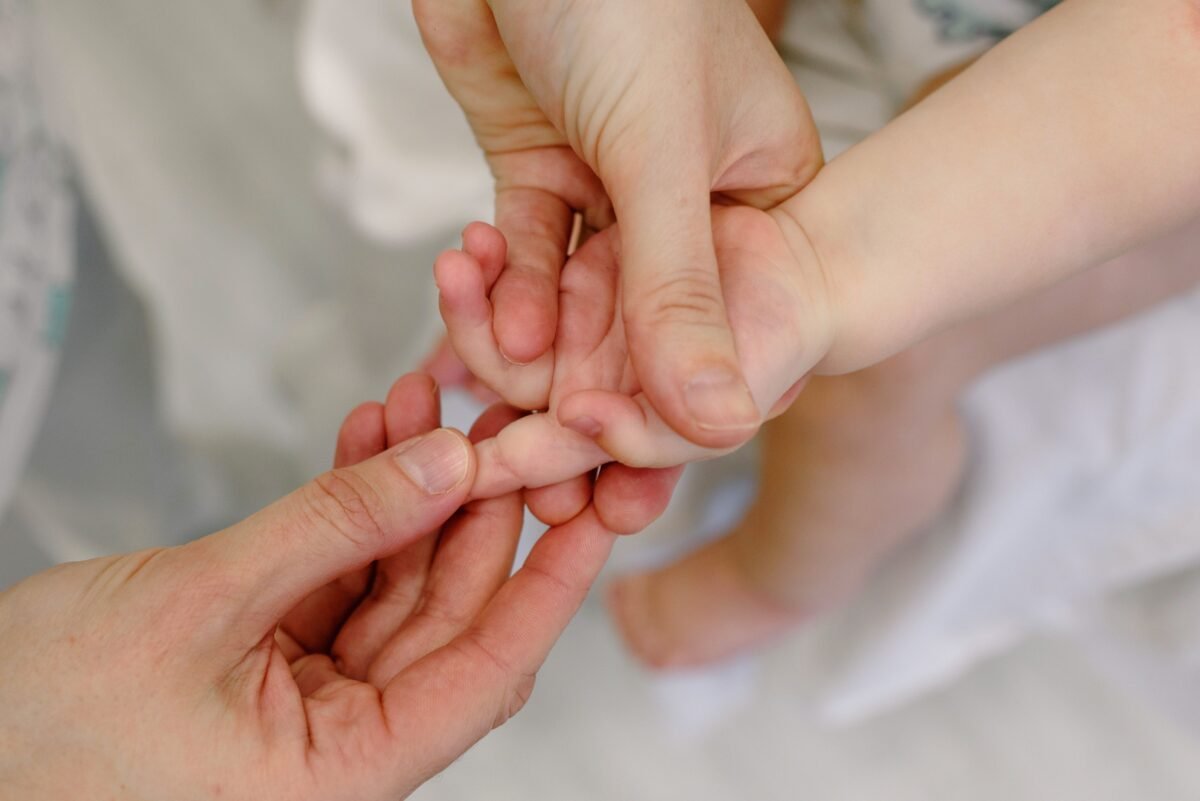
Symptoms usually begin 3 to 6 days after the virus enters the body. hand foot and mouth disease Some people, especially older children and adults, have very mild symptoms or none at all, yet they can still pass the virus on.
Here is what a typical illness looks like.
Day 1 to 2: The early stage
- Fever, often mild to moderate
- Sore throat
- Feeling tired, cranky or unwell
- Loss of appetite
- In babies, extra fussiness, drooling or refusing feeds
Day 2 to 3: Mouth sores appear
Small red spots appear on the tongue, gums and inner cheeks. hand foot and mouth disease They turn into painful blisters or shallow ulcers, often with a red ring. These sores are the main reason children stop eating and drinking.
Day 3 to 4: The rash develops
One to two days after the mouth sores, a rash typically appears on the palms of the hands and soles of the feet. It may start as flat red spots and then become small blisters. hand foot and mouth disease It can also appear on the buttocks, legs, arms and around the genitals. The rash is usually not very itchy, though some children find it uncomfortable. Not everyone gets every symptom. Some people have only mouth sores, and some have only a rash.
Day 5 to 10: Recovery
The fever usually settles within 2 to 3 days. Blisters dry up and heal without scarring in most cases. Mouth sores usually improve within a week.
Weeks later: Skin peeling and nail changes
Some children develop peeling skin on the hands and feet in the weeks after the illness. A smaller number lose a fingernail or toenail, usually 2 to 8 weeks after the infection. hand foot and mouth disease This is called onychomadesis. It can look alarming, but it is not painful, it is not a sign of a new infection, and the nail grows back normally.
What the rash looks like on different skin tones

Most online descriptions say HFMD blisters are “red”, but that is not what everyone sees.
- On lighter skin, spots usually look red or pink.
- On brown and Black skin, spots may look darker brown, purple or grayish, or may look more like skin-colored or lighter bumps with a dark border. They can be harder to spot, so check the mouth and the palms and soles carefully.
- Blisters often look gray, white or clear-yellowish with a thin surrounding ring, whatever the skin tone.
If you cannot be sure about a rash, check for the full pattern: fever, mouth sores and a rash on the hands and feet. A doctor can confirm it.
When the rash looks different: coxsackievirus A6
Coxsackievirus A6 can cause a wider and more severe rash than the classic pattern. It can spread to the arms, legs, face and trunk, and it may concentrate in areas of eczema or irritated skin (sometimes called eczema coxsackium). hand foot and mouth disease Larger blisters and nail loss are also more common with this strain. If a child with eczema suddenly develops widespread blisters and fever, get them checked.
What Causes Hand Foot and Mouth Disease?
HFMD is caused by enteroviruses, a large family of viruses that also cause colds, hand foot and mouth disease summer fevers and other illnesses. Several different types can cause it, which is why one case does not guarantee lasting protection.
| Virus | Where it fits | Typical features |
|---|---|---|
| Coxsackievirus A16 (CVA16) | The most common historical cause | Usually mild illness; classic mouth, hand and foot pattern |
| Enterovirus A71 (EV-A71) | Linked to large outbreaks in Asia | More likely to cause serious complications, including brain and nervous system problems, in a small number of children |
| Coxsackievirus A6 (CVA6) | Increasingly reported worldwide | Wider rash, larger blisters, more nail loss, can affect adults |
| Coxsackievirus A10 (CVA10) | Occurs in outbreaks | Similar to other types; often reported with CVA6 |
The mix of viruses changes by country and by year, hand foot and mouth disease so the typical picture of the illness can differ from one outbreak to the next.
How Does Hand Foot and Mouth Disease Spread?
The viruses that cause HFMD pass from person to person in several ways:
- Respiratory droplets from coughing, sneezing or talking closely
- Saliva, for example through shared cups, spoons, toys and pacifiers
- Fluid from blisters, which contains a lot of virus
- Stool, which is why diaper changes and toilet use matter (the fecal-oral route)
- Contaminated surfaces, such as toys, door handles and tables, where the virus can survive for a while
How long is HFMD contagious?
A person is most contagious during the first week of illness, hand foot and mouth disease when symptoms are at their worst. However, the situation is more complicated than that:
- The virus can be passed on before symptoms start.
- It can remain in the throat and nose for a week or two.
- It can remain in stool for several weeks, even after the person feels completely well.
- Some people, particularly adults, catch the virus and never develop symptoms, yet still spread it.
This is why handwashing after toilet use and diaper changes continues to matter, even after the child has recovered.
Who Is at Risk?
Age: Children under 5 are most at risk, because they put hands and toys in their mouths, hand foot and mouth disease share items and have not yet built up immunity. Children under 10 are also commonly affected.
Setting: Daycare centers, preschools, schools, summer camps and crowded households spread it fastest.
Season and climate:
- In temperate regions (the US, Europe, northern Asia), cases peak in summer and early autumn.
- In tropical and subtropical regions, cases can occur all year round, with peaks often tied to rainy or humid seasons.
Immunity: People with weakened immune systems may have more severe illness.
Being in a high-risk group does not mean a child will have a severe illness. Most cases are mild.
Hand Foot and Mouth Disease in Adults
Many people believe this is a “children’s disease”, hand foot and mouth disease but adults can catch it too. Most adults who have been infected before are partly protected, but they may still get sick if exposed to a virus type they have not met.
In adults:
- Symptoms are often milder, or there may be no symptoms at all.
- Some adults have a severe sore throat and painful mouth ulcers that make swallowing hard.
- Some develop a rash on the palms and soles, and sometimes on other body areas.
- CVA6 infections in adults can cause significant rash, painful sores and later nail changes.
- Parents, nursery staff and teachers are commonly exposed.
Because adults can spread the virus without realizing it, practice good hand hygiene when you care for a sick child. hand foot and mouth disease Adults with severe symptoms, or those with a weak immune system, should see a doctor.
HFMD in Babies and During Pregnancy
Babies and newborns
Babies can catch HFMD, and they are more at risk of dehydration because they cannot tell you what hurts and may refuse to feed. Contact a doctor promptly if:
- Your baby is younger than 6 months and has a fever or any suspected HFMD symptoms
- Your baby is feeding much less or refusing feeds
- There are fewer wet diapers than usual
- The baby seems unusually sleepy or hard to wake
Newborns who catch an enterovirus around the time of birth, hand foot and mouth disease for example from a mother who is infected at delivery, can become seriously ill. This is rare but important.
Pregnancy
For most pregnant women, HFMD causes a mild illness and is not expected to harm the pregnancy. Research so far has not shown a clear link between HFMD and birth defects. hand foot and mouth disease Still, tell your doctor or midwife if you are pregnant and you:
- Have been in close contact with someone with HFMD
- Develop symptoms yourself
- Develop symptoms close to your due date
Infection shortly before delivery is the situation doctors take most seriously, because of the small risk of passing the virus to the baby. Do not self-diagnose, and do not delay getting advice.
HFMD vs Herpangina, Chickenpox and Foot-and-Mouth Disease in Animals
Several conditions cause mouth sores or blisters, and they are easy to mix up. This table shows the main differences.
| Feature | HFMD | Herpangina | Chickenpox | Foot-and-mouth disease (animals) |
|---|---|---|---|---|
| Cause | Enteroviruses | Enteroviruses (often related) | Varicella-zoster virus | Aphthovirus (livestock only) |
| Mouth sores | Front and sides of mouth, tongue, gums | Mainly back of the throat and soft palate | Sometimes a few | Affects animals’ mouths and hooves |
| Rash on hands and feet | Yes, typical | No | Rarely the main site | Not applicable |
| Rash elsewhere | Buttocks, legs, arms | None | Spreads over the face, chest and back | Not applicable |
| Itching | Mild or none | None | Often intense | Not applicable |
| Blister pattern | Few to dozens at once | Not applicable | New crops of blisters appear over several days, then scab | Not applicable |
| Can humans get it? | Yes | Yes | Yes | Very rarely, and it is a different illness |
The quick rule: throat sores only points toward herpangina, hand foot and mouth disease very itchy blisters over the whole body points toward chickenpox, and mouth sores plus a rash on the palms and soles points toward HFMD. If you are not sure, ask a doctor.
How Is HFMD Diagnosed?
In most cases, a doctor can diagnose the illness just by looking at the mouth and skin and asking about symptoms and recent exposure. No test is usually needed.
Laboratory tests, such as a throat swab, stool sample or blister swab tested by PCR, may be used if:
- The illness is severe or unusual
- There is a suspected outbreak, so health authorities can identify the virus type
- Another condition needs to be ruled out
Blood tests are not routinely needed.
Hand Foot and Mouth Disease Treatment and Home Care
There is no specific antiviral drug for HFMD. hand foot and mouth disease The aim of treatment is to keep the person comfortable and hydrated while the body clears the virus. Antibiotics do not work, because this is a viral infection.
Step-by-step home care
1. Prioritize fluids. Dehydration is the most common problem, because swallowing hurts.
- Offer small, frequent sips of water, milk or oral rehydration solution.
- Breastfed babies should keep nursing; formula-fed babies should keep getting their usual feeds.
- Cold drinks, ice pops, frozen yogurt and ice chips are often easier to swallow.
- Use a spoon, a cup or a straw, whichever the child tolerates best.
2. Choose gentle foods.
- Soft, cool foods such as yogurt, custard, mashed potatoes, ice cream, smoothies and pureed fruit are usually best.
- Avoid hot, spicy, salty or acidic foods and drinks, such as citrus juices and fizzy drinks, which can sting open sores.
- Do not force solid food. A few days of eating less is usually fine as long as the child is drinking.
3. Manage pain and fever.
- Paracetamol (acetaminophen) can ease pain and reduce fever. Ibuprofen is another option for many older children, but it is not suitable for very young babies.
- Always follow the dosing instructions on the product label for your child’s age and weight, or ask a pharmacist or doctor. Never guess a dose.
- Do not give aspirin to children or teenagers, because it is linked to a rare but serious condition called Reye syndrome.
- Be careful with numbing gels or sprays for the mouth. Some ingredients are not safe for young children, so ask a pharmacist before using them.
4. Soothe the mouth. Older children and adults can rinse with warm salt water (about half a teaspoon of salt in a cup of warm water) and spit it out. Do not use mouthwashes containing alcohol.
5. Take care of the skin.
- Do not pop the blisters. They protect the skin, and popping them can cause infection and spread the virus.
- Keep the skin clean and dry, and wash gently with mild soap.
- If blisters break, keep them clean.
- Keep the child’s nails short to reduce scratching.
6. Rest. Let the child rest as much as they want, and keep them home until they are well enough to return (see the return-to-school section).
What not to do
- Do not give antibiotics unless a doctor has diagnosed a separate bacterial infection.
- Do not use home remedies that put harmful substances on the skin or in the mouth.
- Do not wait if you see the warning signs below.
When to See a Doctor
Most cases can be managed at home, but contact a doctor if you notice any of the following.
Signs of dehydration
- Very few or no wet diapers, or no urine for 8 hours or more
- No tears when crying
- Dry mouth and lips
- Sunken eyes, or a sunken soft spot on a baby’s head
- Unusual sleepiness, floppiness or irritability
- Refusing all drinks
Other reasons to call a doctor
- A baby under 6 months of age with suspected HFMD
- Fever lasting more than 3 days
- Symptoms lasting more than 10 days, or getting worse after the first week
- Severe pain that medicine does not control
- A weakened immune system, or a child with long-term illness
- A widespread rash, especially in a child with eczema
- Pregnancy with symptoms or exposure
Get emergency care immediately if there is:
- A stiff neck or severe headache
- Confusion, extreme drowsiness or difficulty waking
- Seizures or jerking movements
- Weakness in the arms or legs, or difficulty walking
- Trouble breathing, fast breathing or a blue tinge to the lips
- A very fast heart rate, or cold, mottled skin
- Persistent vomiting
These signs are rare, but they can mean that the virus has affected the brain, spinal cord, heart or lungs.
Complications
Dehydration is the most common complication. It can usually be prevented with fluids and treated early.
Nail loss may occur a few weeks after the illness. The nails grow back normally.
Rare but serious complications are mostly linked to EV-A71, and they include:
- Viral meningitis (inflammation of the layers around the brain and spinal cord)
- Encephalitis (inflammation of the brain)
- Acute flaccid paralysis (sudden muscle weakness)
- Heart muscle inflammation (myocarditis)
- Fluid in the lungs
These are uncommon and affect only a small fraction of those who catch the virus. Early medical care improves the outlook.
Can you get HFMD twice?
Yes. Because several viruses can cause the illness, you can be infected more than once. Immunity to one virus does not fully protect against the others. Second infections are often milder.
How to Prevent Hand Foot and Mouth Disease
There is no vaccine to prevent HFMD in most countries, so everyday habits make the biggest difference.
Wash hands well.
- Use soap and clean running water for at least 20 seconds.
- Wash after using the toilet, after changing diapers, before eating or preparing food, after coughing or sneezing, and after caring for a sick person.
- Hand sanitizer is less reliable against enteroviruses than soap and water, so use it only when soap and water are not available.
Clean and disinfect.
- Clean frequently touched surfaces, toys, pacifiers and shared items, then disinfect them. Follow the label on your disinfectant. A diluted bleach solution is often recommended, but only use it as the product instructions say.
- Wash soiled clothes and bedding in warm water.
Avoid close contact with someone who is sick.
- Avoid kissing, hugging, and sharing cups, bottles, utensils and towels.
- Cover coughs and sneezes with a tissue or your elbow.
Teach children good habits. Make handwashing fun, and remind children not to put hands, toys or objects in their mouths.
Keep a sick child home. This protects other children.
School, Daycare and Work: When Is It Safe to Return?
Rules differ between countries, regions and individual schools, so always check your school’s or health authority’s policy first. In general, health authorities such as the US CDC suggest these common-sense guidelines.
A child can usually go back when:
- They have had no fever for at least 24 hours without fever-reducing medicine
- They feel well enough to take part in normal activities
- They are drinking normally
- Mouth sores are no longer causing drooling that others might come into contact with
- Any blisters that are weeping are covered or have dried up
Many schools do not require every blister to be gone, because the virus can remain in the body for weeks. Strict hygiene after the return is more important.
Adults can usually go back to work when the fever has gone, they feel well enough, and they can follow hand hygiene. Anyone working with food, young children, older adults or healthcare patients should follow their employer’s or local health authority’s advice.
After returning: keep up handwashing, especially after toilet use and diaper changes, because the virus can still be in stool for several weeks.
Vaccine and Global Outlook
Vaccine status
- China has approved inactivated vaccines against EV-A71 since 2016. They are intended to reduce severe illness caused by that virus.
- No vaccine protects against all causes of HFMD. The vaccine does not protect against CVA16, CVA6 or CVA10.
- In the US and EU, there is currently no routinely available HFMD vaccine.
- Research on additional vaccines is continuing. Vaccine availability can change, so check with your national health authority for the latest position.
Global pattern
- Asia-Pacific: The region has seen large outbreaks since the late 1990s, including serious EV-A71 outbreaks in places such as Taiwan, Malaysia, Vietnam and mainland China.
- Temperate countries: Cases are more common in summer and early autumn.
- Tropical countries: Cases can occur year-round and may rise in rainy seasons.
- Changing viruses: CVA6 and CVA10 have become more prominent in many places in recent years, which has led to more adult cases and atypical rashes.
If you are traveling with young children, the best protection is the same as at home: good hand hygiene and avoiding contact with sick children.
Myths and Facts
Myth: HFMD is the same as foot-and-mouth disease in animals. Fact: They are different diseases caused by different viruses. Humans do not catch HFMD from livestock, and pets cannot pass it on.
Myth: Only children get HFMD. Fact: Children are most often affected, but adults can catch it too.
Myth: Once the blisters are gone, the child is no longer contagious. Fact: The virus can remain in stool for weeks after symptoms end, so hygiene should continue.
Myth: Antibiotics will help. Fact: It is a viral infection. Antibiotics do not work on viruses.
Myth: If you have had it once, you can never get it again. Fact: Several viruses cause HFMD, so you can have it more than once.
Myth: Hand sanitizer is enough. Fact: Soap and running water are better at removing enteroviruses.
Myth: Losing a nail means something is seriously wrong. Fact: Nail shedding can occur weeks after infection and is generally harmless. The nail grows back.
Frequently Asked Questions
How long does HFMD last? Most people recover in 7 to 10 days. Mouth sores usually settle within a week, and blisters dry up over a similar time.
Is HFMD dangerous? Usually not. Most cases are mild. Rarely, serious complications can occur, particularly with EV-A71. Dehydration is the most common problem.
How do you catch HFMD? Through contact with respiratory droplets, saliva, blister fluid, stool, or contaminated surfaces and objects.
Can adults get HFMD? Yes. Adults often have milder symptoms, but some have painful sores and rash.
Can you get HFMD without a rash? Yes. Some people have only mouth sores or only mild symptoms, and some have no symptoms at all.
Does HFMD itch? Usually only a little. If a child is intensely itchy all over, consider other causes such as chickenpox or eczema flare-ups, and ask a doctor.
Can I treat HFMD at home? Yes, in most cases, with fluids, soft cool foods, rest and pain relief that suits your child’s age. Watch for dehydration and the warning signs listed above.
Can my child go to school with HFMD? Not while they have a fever or feel unwell. They can usually return once they are fever-free for 24 hours without medicine, feel well and are drinking normally. Check your school’s rules.
Is HFMD dangerous in pregnancy? Usually it causes mild illness, but contact your doctor or midwife if you are exposed or unwell, especially close to delivery.
Is there a vaccine for HFMD? China uses an EV-A71 vaccine. No vaccine covers all causes, and there is no routine vaccine in the US or EU.
Can I get HFMD from swimming pools? Pools with proper chlorine levels are unlikely to be a major source, but sharing towels and close contact with sick swimmers can spread it. Children with diarrhea or active symptoms should stay out of the water.
Can I use the same toys after my child recovers? Yes, once you have cleaned and disinfected them properly.
Conclusion
Hand foot and mouth disease is common, contagious and usually mild. The most important steps are to keep your child hydrated, ease their pain, and watch for warning signs such as dehydration, a very long fever, stiff neck, drowsiness or breathing problems. Good handwashing, cleaning shared items, and keeping sick children home are the best ways to stop it spreading, because there is no widely available vaccine.
If you are ever unsure, speak to a doctor. Early advice is always better than waiting, especially for babies, pregnant women and people with weak immune systems.