Gallbladder Pain: The Essential Guide to Symptoms, Causes, Treatment and When to Seek Help


Gallbladder pain is a steady or cramping ache, usually in the upper right abdomen, that often starts after a meal and can last from half an hour to several hours. It is most often caused by a gallstone blocking a bile duct, and it can be mild, severe or a sign of an emergency. This guide explains where gallbladder pain is felt, what it feels like, which warning signs need urgent care, how doctors diagnose and treat it, and how people around the world can prevent it.
What Is Gallbladder Pain?

Gallbladder pain is pain that comes from the gallbladder or the bile ducts connected to it. The gallbladder is a small, pear-shaped organ under the liver. It stores bile, a digestive fluid made by the liver that helps break down fats. After a meal, especially one that contains fat, the gallbladder squeezes bile through the bile ducts into the small intestine.
When something blocks that flow, pressure builds up and the muscle in the duct wall contracts hard to push the blockage along. That is what causes the pain. Doctors call this episode biliary colic, and most people call it a gallbladder attack or gallstone pain.
The most common cause is a gallstone. Stones that sit quietly in the gallbladder and do not block anything usually cause no symptoms at all. These are called silent gallstones, and the NIDDK notes they do not interfere with the gallbladder, liver or pancreas and do not need treatment. Pain starts when a stone blocks a duct, or when the gallbladder becomes inflamed or infected.
Where Is Gallbladder Pain Felt?
The classic location of gallbladder pain is the upper right abdomen, just under the ribs. Many people feel it in the middle of the upper abdomen, just below the breastbone. The pain often spreads (radiates) to other places, which is why it is so often confused with other conditions:
- Right shoulder or right shoulder blade. This referred pain is a typical clue, because nerves from the gallbladder area share pathways with nerves from the shoulder.
- The back. Pain can travel between the shoulder blades or through to the back.
- The chest. Pain in the upper abdomen can feel like pressure in the lower chest, which is one reason chest pain should never be dismissed as gallbladder pain without a medical check.
Pain on the left side, in the lower abdomen, or in the legs is unlikely to come from the gallbladder, although other conditions in those areas can need urgent care too.
What Does Gallbladder Pain Feel Like?
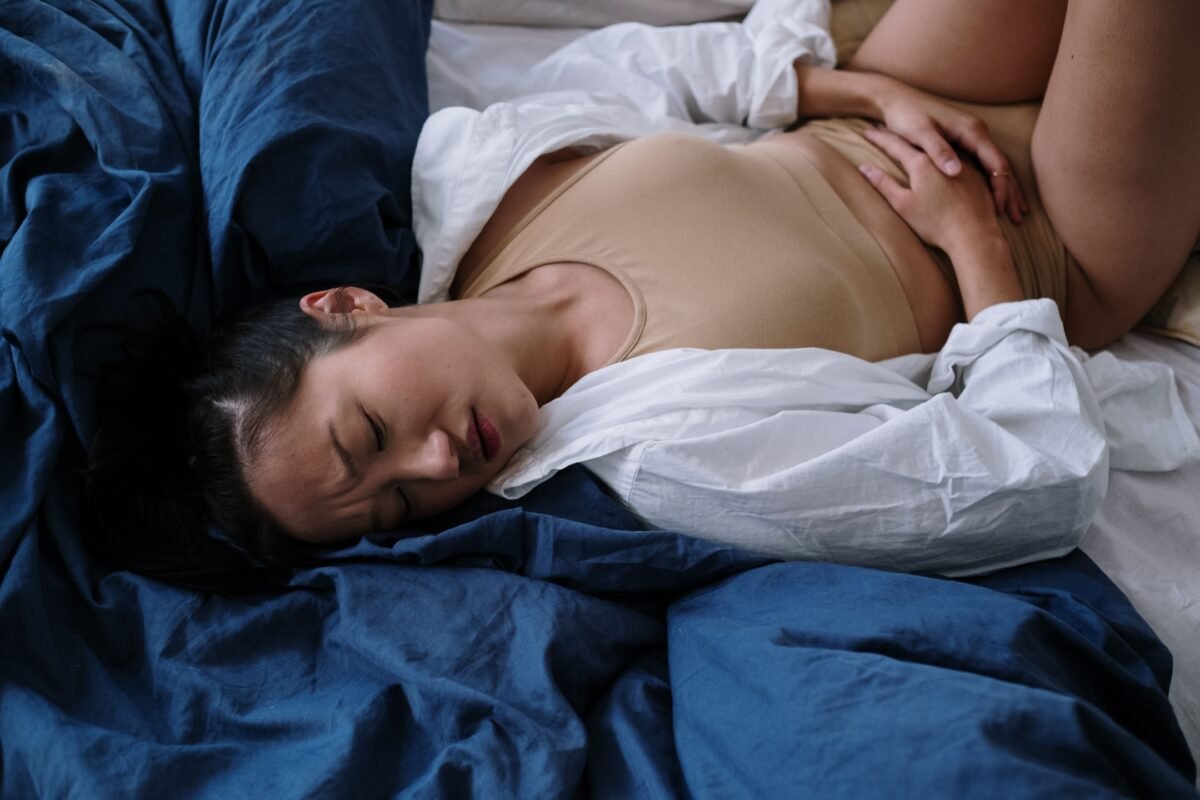
The pattern of the pain tells you almost as much as its location. Typical features of a gallbladder attack are:
- Character: a steady, building ache, pressure or cramp. Despite the word colic, the pain is usually constant rather than coming and going in waves.
- Onset: it often builds over several minutes to reach a plateau.
- Trigger: it often follows a large or fatty meal, and it commonly strikes in the evening or at night. Eating a very large meal after a long fast can also trigger it.
- Duration: commonly more than 30 minutes and up to a few hours. Many episodes pass within one to five hours, and the abdomen may stay sore for about a day afterwards.
- Relief: it is not relieved by vomiting, burping, passing gas or a bowel movement. Pain that eases quickly with antacids or with burping is more likely to come from the stomach.
- Other symptoms: nausea, vomiting, sweating, bloating and restlessness.
Between attacks, most people feel normal. If you have had one attack, the NIDDK says more are likely to follow.
Can gallbladder pain last for days or weeks?
A single attack should not last days. If pain lasts for many hours, or keeps returning, or a dull ache and tenderness continue for days, the gallbladder may be inflamed (cholecystitis) or a stone may have moved into the bile duct or pancreas. That needs medical assessment, not waiting.
Gallbladder Pain Warning Signs: When It Is an Emergency
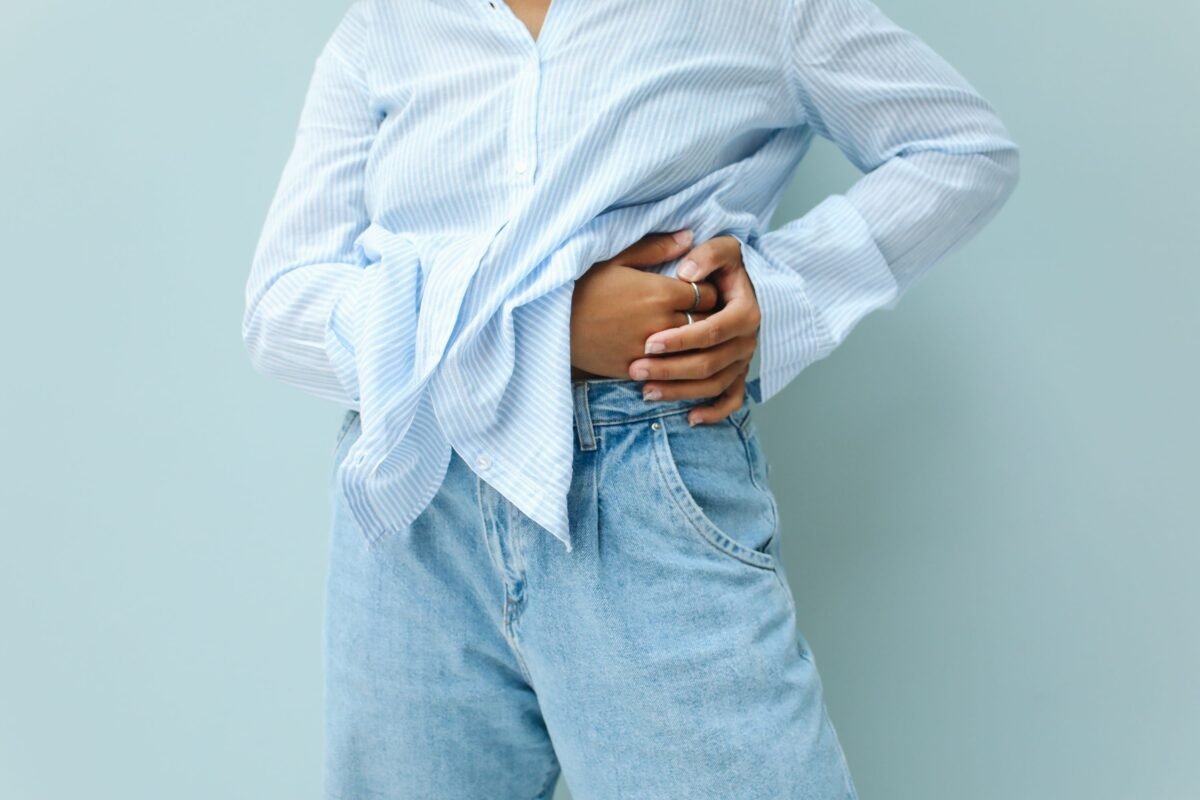
Not every gallbladder attack needs the emergency room. A short episode that settles within an hour or two can be discussed with a doctor soon afterwards. The danger signs are the ones that suggest a stone is stuck, or that infection or pancreatitis has developed. According to the NIDDK, a person should seek care right away if abdominal pain lasts more than about five hours, or comes with nausea and vomiting, fever (even a low-grade one) or chills, yellowing of the skin or eyes, or tea-coloured urine and pale stools.
Why this matters:
- Acute cholecystitis (an inflamed gallbladder) causes constant right-sided pain, tenderness and often fever. It usually needs hospital treatment.
- Cholangitis (an infected bile duct) causes fever, chills and jaundice. It can become life-threatening within hours.
- Gallstone pancreatitis causes severe upper abdominal pain that often goes through to the back, with vomiting.
- Complications from a blocked duct can be fatal if left untreated, according to the NIDDK.
The balanced message is this: you do not need an ambulance for every mild, gallbladder pain brief attack, but you should never wait out severe pain, pain beyond a few hours, or pain with fever, jaundice or repeated vomiting. If you are not sure, call your doctor or an emergency line and ask.
What Causes Gallbladder Pain?
Several conditions can cause gallbladder pain. Gallstones are by far the most common.
Gallstones (cholelithiasis). Hard deposits of cholesterol (the most common type in Western countries) or bilirubin (pigment stones). Stones form when bile contains too much cholesterol or bilirubin, or too little bile salt, or when the gallbladder does not empty properly. They range from the size of a grain of sand to a golf ball.
Biliary colic. The pain episode itself, caused by a stone temporarily blocking the cystic duct or the common bile duct.
Acute cholecystitis. Inflammation of the gallbladder, most often because a stone is stuck in its outlet. It can progress to infection and, if neglected, to a burst or gangrenous gallbladder.
Chronic cholecystitis. Repeated mild inflammation that scars and thickens the gallbladder wall, causing recurring discomfort.
Bile duct stones (choledocholithiasis). Stones that have moved into the common bile duct. They can cause jaundice, infection and pancreatitis.
Acalculous gallbladder disease. Gallbladder inflammation or pain without stones. This can happen in very sick hospital patients, after major surgery or burns, or with infections.
Biliary dyskinesia. A condition in which the gallbladder does not empty properly although no stones are found. It is diagnosed after other causes have been ruled out.
Gallbladder polyps. Small growths on the gallbladder wall. Most are harmless and found by chance. Larger polyps, often those over about one centimetre, are watched or removed because of a small cancer risk.
Gallbladder and bile duct cancer. These are rare, but they can cause pain, jaundice and weight loss. They are seen more often in parts of South America and northern India.
Who Is at Risk of Gallstones and Gallbladder Pain?
Some risk factors cannot be changed. Others can.
Risk factors you cannot change
- Female sex. Women are more likely than men to develop gallstones, partly because of estrogen.
- Age. Risk rises after the age of 40.
- Family history and genetics. Gallstones run in families.
- Ethnicity. Some populations, such as Native American and some Hispanic groups, have very high rates.
- Pregnancy. Hormonal changes slow the gallbladder and can lead to sludge or stones.
Risk factors you can influence
- Overweight and obesity, and metabolic syndrome.
- Rapid weight loss, including crash diets and weight-loss surgery.
- Diabetes and high triglycerides.
- Estrogen-containing medicines, such as some contraceptive pills and hormone therapy.
- Long gaps between meals, or skipping meals, which lets bile sit in the gallbladder.
- A diet high in refined carbohydrates and unhealthy fats and low in fibre, and low physical activity.
- Certain conditions, such as cirrhosis, Crohn’s disease and inherited blood disorders that break down red blood cells (for example sickle cell disease and thalassemia).
Having risk factors does not mean you will get gallbladder pain. Most people with gallstones never have symptoms. Reports suggest that only a small percentage of people with silent stones become symptomatic each year, and that around 10 to 20 percent do so over 5 to 20 years.
What Can Be Mistaken for Gallbladder Pain?
Upper abdominal pain has many causes, and some of them are emergencies. The table below compares the most common look-alikes. It is a guide to conversation with your doctor, not a way to diagnose yourself.
| Condition | Typical location | Typical trigger and pattern | Other clues |
|---|---|---|---|
| Gallbladder pain (biliary colic) | Upper right or upper middle abdomen, may spread to right shoulder blade | After fatty or large meals, often evening or night; steady pain lasting 30 minutes to a few hours | Nausea, vomiting; not relieved by burping or bowel movements |
| Acid reflux (GERD) | Burning behind the breastbone, upper abdomen | After meals, lying down, bending over | Sour taste, relief with antacids |
| Peptic ulcer | Upper middle abdomen | Burning or gnawing, may ease or worsen with food | Black stools or vomiting blood needs urgent care |
| Pancreatitis | Upper abdomen, through to the back | Constant, severe; after alcohol or a gallstone | Vomiting; eases a little when leaning forward |
| Kidney stone | Flank or back, spreading to the groin | Waves of severe pain, cannot sit still | Blood in urine, pain on urinating |
| Appendicitis | Starts near the navel, moves to lower right | Worsens over hours | Fever, loss of appetite, pain with movement |
| Hepatitis or liver inflammation | Upper right abdomen | Dull ache, often with fatigue | Jaundice, dark urine, tiredness |
| Heart attack | Chest, upper abdomen, jaw, arm | Pressure, with exertion or at rest | Sweating, shortness of breath; women and people with diabetes may have atypical pain |
| Irritable bowel syndrome | Lower or whole abdomen | Cramping linked to bowel habit | Bloating, diarrhoea or constipation, relief after a bowel movement |
How can you tell gallbladder pain from liver pain?
Both can be felt in the upper right abdomen. Gallbladder pain tends to come in episodes, often after meals. Liver pain is usually a constant dull ache or heaviness and is more often accompanied by fatigue, jaundice or other signs of liver disease. Only tests can tell them apart reliably.
How Is Gallbladder Pain Diagnosed?
Doctors usually work through the following steps.
- History and examination. The doctor asks where the pain is, when it comes, how long it lasts, what triggers it, and what other symptoms you have. They press on the upper right abdomen. Tenderness that makes you stop breathing in (Murphy’s sign) suggests an inflamed gallbladder.
- Blood tests. These look for infection and inflammation (white blood cell count), liver and bile duct involvement (liver enzymes and bilirubin) and pancreatitis (amylase or lipase). In an uncomplicated attack, blood tests are often normal.
- Ultrasound. The usual first scan. It is painless and shows gallstones, a thickened gallbladder wall and fluid around the gallbladder.
- HIDA scan. A nuclear scan that checks how well the gallbladder fills and empties. It is used when ultrasound is unclear or biliary dyskinesia is suspected.
- MRCP (magnetic resonance cholangiopancreatography). An MRI that shows the bile ducts and can find stones in them without a procedure.
- CT scan. Useful when complications or other causes are suspected.
- Endoscopic ultrasound or ERCP. ERCP uses a flexible tube passed through the mouth to the bile duct. It can both diagnose and treat duct stones.
Access to these tests differs around the world. If imaging is not available quickly where you live, clear symptoms, a physical examination and basic blood tests can still guide urgent decisions, so do not delay seeking care.
Gallbladder Pain Treatment
Treatment depends on how severe the episode is, whether stones are present, and whether there are complications.
Self-care for a mild, short episode
- Rest and stop eating until the pain settles, then start with small, light, low-fat meals.
- Sip fluids if you are not vomiting.
- A warm compress or heating pad on the upper abdomen can ease discomfort for some people. Use it with care to avoid burns.
- Over-the-counter pain relief may help, but check the label and ask a pharmacist or doctor first, especially if you have liver, kidney or stomach problems, are pregnant, or take other medicines. Do not take extra doses to push through severe pain.
- See a doctor even if the pain passes, because attacks tend to recur.
Peppermint tea, magnesium and other home remedies are popular, but there is little good evidence that they treat gallbladder pain, and they must not delay care if warning signs appear.
Hospital treatment for a complicated attack
For cholecystitis or a blocked duct, treatment may include fasting, IV fluids, strong pain relief and antibiotics if infection is suspected. Surgery is usually advised, often within the first few days of admission.
Surgery: cholecystectomy
Removing the gallbladder is the definitive treatment for painful gallstones, and the usual recommendation if attacks are severe or keep recurring. The body works without a gallbladder, because bile flows directly from the liver to the intestine.
- Laparoscopic cholecystectomy (keyhole surgery) is the standard approach. It uses small cuts and a camera, and many people go home the same day or the next day.
- Robotic-assisted surgery is a variation of keyhole surgery available in some centres.
- Open cholecystectomy uses a larger cut and is needed when the gallbladder is severely inflamed or keyhole surgery is not safe.
Procedures and medicines for stones
- ERCP removes stones that have moved into the bile duct, often before or alongside gallbladder removal.
- Ursodeoxycholic acid (ursodiol) may dissolve small cholesterol stones in selected people who cannot have surgery, but it takes months to years, works only on some stones and stones often return when treatment stops.
- Shock wave lithotripsy is rarely used today.
Decisions about surgery should be made with a doctor, who will weigh your symptoms, test results, age, other illnesses and preferences.
What to Eat and Avoid With Gallbladder Pain
Diet cannot dissolve gallstones, but it can reduce triggers and lower the chance of new problems.
During and just after an attack: eat small portions of light, low-fat foods such as plain rice, boiled potatoes, toast, bananas, clear soups, cooked vegetables or yoghurt, and avoid greasy and fried foods until the pain has settled.
For long-term eating:
- Choose regular meals and avoid long gaps, large late-night meals and breaking a fast with a very heavy meal.
- Base meals on vegetables, fruit, pulses, whole grains and fish. Fibre is linked with lower gallstone risk.
- Prefer unsaturated fats (olive oil, nuts, seeds, fish) in moderate amounts rather than cutting fat to zero. Some fat is needed for the gallbladder to empty regularly.
- Limit deep-fried foods, fatty red meat, cream, ghee and butter in large amounts, and sugary drinks and sweets.
- Aim for gradual weight loss if you are overweight. Avoid crash diets and very-low-calorie plans, which are a recognised trigger.
Examples from different food cultures:
- South Asian: choose daal, grilled or baked fish and chicken, roti made with whole wheat, and vegetable curries cooked with less oil. Limit samosas, pakoray, fried parathas, rich nihari and haleem fat, and sweets cooked in ghee.
- Middle Eastern and Gulf: hummus, grilled fish, salads and legumes are good, while fried pastries, ghee-rich rice dishes and heavy sweets are better kept for occasional use.
- Mediterranean: vegetables, pulses, fish and olive oil suit most people with gallbladder problems, with moderate portions.
- East Asian: steamed or boiled dishes, tofu, vegetables and rice are gentle, while deep-fried and very oily dishes are likely triggers.
- African and Latin American: beans, vegetables, grains and grilled fish are good choices, while fried plantains, fried meats and very oily stews can trigger attacks.
Fasting and Ramadan. Because long gaps between meals slow the gallbladder, and because eating a very large meal after a fast can trigger an attack, break your fast gently with water, dates and a light meal before the main meal, and avoid fried foods at iftar. If you have had gallbladder pain or have known gallstones, speak to your doctor before fasting.
Gallbladder Pain in Special Groups
Pregnancy. Hormonal changes slow the gallbladder, so sludge and stones are more common. Tell your doctor or midwife about any right upper abdominal pain, especially with vomiting, fever, jaundice or itching. Severe itching, particularly on the palms and soles, can be a sign of a pregnancy liver condition that needs urgent testing. Surgery is sometimes needed during pregnancy and can be done safely when necessary.
Diabetes. People with diabetes have a higher risk of gallbladder disease and of complications. Nerve damage can reduce pain, so infection may be advanced before it is noticed. A lower threshold for seeking care is wise.
Children and teenagers. Gallstones are less common than in adults but do occur, particularly with obesity, inherited blood disorders such as sickle cell disease and thalassemia, certain medicines, long-term intravenous feeding and a family history. Children may describe the pain as a stomach ache or may not describe its location clearly. Any child with repeated or severe upper abdominal pain, vomiting or jaundice needs a doctor’s assessment.
Older adults. Complications are more frequent and can be serious. Older adults may have less obvious symptoms, with confusion, weakness or mild fever instead of classic pain, so a low threshold for care applies.
After weight-loss (bariatric) surgery or a very-low-calorie diet. Rapid weight loss raises the risk of gallstones. Your surgical team may discuss preventive measures, so mention any new right-sided pain.
Living Without a Gallbladder and Pain After Surgery
Most people feel much better after gallbladder removal, and the typical attacks stop. Recovery is often quick after keyhole surgery, but follow your surgeon’s advice about activity and returning to work.
Some people notice looser stools or diarrhoea, bloating or discomfort with fatty meals for a while, because bile now drips continuously into the intestine instead of being released with meals. This often improves over weeks or months. Eating smaller, regular, lower-fat meals helps.
Some people continue to have pain after surgery, sometimes called post-cholecystectomy syndrome. Causes include a retained bile duct stone, a problem with the bile duct valve, or pain that did not come from the gallbladder in the first place, such as reflux or irritable bowel syndrome. Contact your surgeon if you have:
- fever, chills or jaundice;
- pain that is getting worse rather than better;
- repeated vomiting;
- redness, swelling or discharge at the incision;
- dark urine or pale stools.
How to Prevent Gallbladder Pain
You cannot control age, sex or genes, but you can lower your risk of gallstones and attacks:
- Keep a healthy weight, and lose weight slowly if you need to. Aim for steady, modest weight loss rather than a crash diet.
- Eat regular meals. Avoid skipping meals for long periods.
- Choose a high-fibre, plant-rich diet with whole grains, pulses, vegetables, fruit and nuts.
- Limit fried foods, sugary foods and refined carbohydrates.
- Stay physically active. Regular exercise is linked with lower gallstone risk.
- Manage diabetes and blood fats with your doctor.
- Review estrogen-containing medicines with your doctor if you have had gallstones.
- Do not try gallbladder flushes or cleanses. Olive oil and lemon juice drinks and similar routines are not proven to remove stones, can cause pain, vomiting and diarrhoea, and can mask or worsen a serious problem.
Gallbladder Pain Around the World
Gallstone disease occurs everywhere, but its frequency and patterns differ.
- How common it is. A meta-analysis of studies from 2000 to 2023, summarised by the World Gastroenterology Organisation, found a global gallstone prevalence of about 5.5 to 6.7 percent, higher in women (about 7.7 percent) than in men (about 5.4 percent), and rising with age. By region, it was about 11.2 percent in South America, 8.1 percent in North America, 6.6 percent in Africa, 6.4 percent in Europe and 5.1 percent in Asia. Older estimates from the developed world suggest that 10 to 15 percent of adults carry gallstones when screened by ultrasound, so numbers depend on how and when people are tested.
- Most gallstones are silent. About two thirds of people with gallstones are thought to have no symptoms.
- Different stones, different regions. Cholesterol stones predominate in Western countries. In parts of East Asia, pigment stones and bile duct stones, sometimes linked to infection or parasites, are more common.
- Genetics and lifestyle. Very high rates are seen in some indigenous populations of the Americas, while rates in sub-Saharan Africa and East Asia are traditionally lower. Changing diets, rising obesity and diabetes may be changing these patterns.
- Inherited blood disorders. In regions where sickle cell disease and thalassemia are common, including parts of South Asia, the Middle East and Africa, gallstones can appear at a young age.
- Fasting and meal patterns. Long fasts, skipped meals and heavy late meals, whether for religious, cultural or work reasons, can influence attacks.
- Access to care. Imaging, endoscopy and laparoscopic surgery are not equally available everywhere. Where access is limited, recognising the warning signs and getting to a hospital early matters even more.
Frequently Asked Questions About Gallbladder Pain
How long does gallbladder pain last?
A typical gallbladder attack lasts from about 30 minutes to a few hours, and many resolve within one to five hours, though the abdomen may remain sore for about a day. Pain lasting more than about five hours, or pain with fever, vomiting or jaundice, needs urgent medical care.
What does gallbladder pain feel like?
It usually feels like a steady, building ache, pressure or cramp in the upper right or upper middle abdomen, sometimes spreading to the right shoulder blade, often after a fatty meal and often with nausea.
What is the fastest way to relieve gallbladder pain?
There is no safe instant cure. Rest, avoid food until the pain settles, and use a warm compress. Ask a doctor or pharmacist about suitable pain relief. If the pain is severe, lasts more than a few hours or comes with fever or jaundice, seek urgent care instead of treating it at home.
Which side do you lie on for gallbladder pain?
There is no side that reliably relieves it. Some people feel more comfortable curled up or lying on the left side, but position changes should not delay medical care when symptoms are severe.
Can gallbladder pain go away on its own?
An attack often settles on its own when the stone moves, but the stone is still there and attacks usually return. A doctor should assess recurrent pain.
Can you have gallbladder pain without gallstones?
Yes. Biliary dyskinesia, acalculous cholecystitis, polyps and bile duct problems can all cause pain without stones, and pain after gallbladder removal can have other causes.
Is gallbladder pain dangerous?
A single short attack is usually not dangerous, but gallstones can cause serious complications such as cholecystitis, infection of the bile ducts and pancreatitis. Untreated, a blocked duct can be life-threatening, which is why the warning signs matter.
Do I need surgery for gallbladder pain?
If you have silent gallstones, usually not. If you have repeated attacks or complications, removing the gallbladder is usually recommended. Your doctor will advise based on your situation.
The Bottom Line
Gallbladder pain typically appears in the upper right abdomen after a meal, builds steadily and eases after one to a few hours. It is most often caused by gallstones, which are common worldwide and often silent. Short, mild episodes should be reviewed by a doctor, while pain lasting more than about five hours, or pain with fever, jaundice, dark urine, pale stools or repeated vomiting, is an emergency. Diagnosis usually involves an examination, blood tests and an ultrasound, and the long-term solution for painful stones is usually removal of the gallbladder. Regular meals, a fibre-rich diet, gradual weight loss and an active life can help lower your risk. If you think you have gallbladder pain, speak to a doctor rather than waiting for the next attack.