Foods High in Iron: 25+ Best Sources, Serving Sizes, and How to Absorb More


Foods high in iron include fortified breakfast cereal, oysters, white beans, and beef liver, which each supply roughly a quarter to all of the daily iron most adults need in a single serving. Lentils, spinach, tofu, chickpeas, sardines, dark chocolate, and cashews add smaller but useful amounts. Pairing plant sources with vitamin C helps your body absorb more of the iron they contain.
Most lists of iron-rich foods stop at a few names and a vague promise that they are “good for you.” That leaves the questions people actually have: how much iron is in a normal portion, which foods really matter, how much you need each day, and why two people eating the same meal can absorb very different amounts. This guide answers all of them with serving-based numbers, foods high in iron plain-language explanations of how absorption works, meal ideas for meat eaters, vegetarians, and anyone on a budget, and honest guidance on when food alone is not enough.
All iron amounts in this article come from the U.S. National Institutes of Health Office of Dietary Supplements, which draws on USDA nutrient data. NIH rounds these values to the nearest whole milligram, foods high in iron so treat them as reliable estimates rather than exact figures. Brands, cuts, and cooking methods change the real amount, so check the nutrition label when you can.
Iron Content of Common Foods: Quick Reference Table
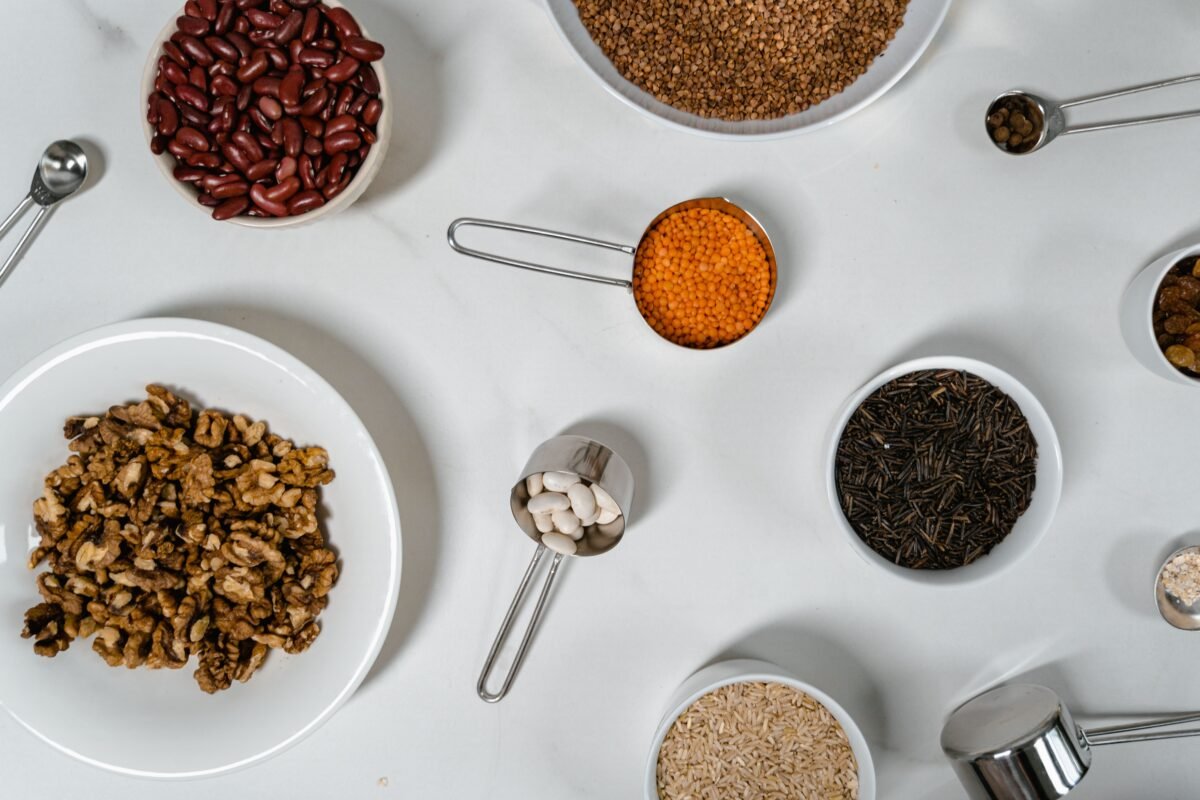
Start here if you just want the numbers. Every row uses a standard serving size, so you can compare foods fairly. foods high in iron The Daily Value (DV) for iron is 18 mg for adults and children aged 4 and over.
| Food | Serving | Iron (mg) | % DV |
|---|---|---|---|
| Breakfast cereal, fortified at 100% DV | 1 serving | 18 | 100% |
| Oysters, eastern, cooked | 3 oz | 8 | 44% |
| White beans, canned | 1 cup | 8 | 44% |
| Beef liver, pan fried | 3 oz | 5 | 28% |
| Lentils, boiled | ½ cup | 3 | 17% |
| Spinach, boiled | ½ cup | 3 | 17% |
| Tofu, firm | ½ cup | 3 | 17% |
| Dark chocolate (45–69% cacao) | 1 oz | 2 | 11% |
| Kidney beans, canned | ½ cup | 2 | 11% |
| Sardines, canned in oil, with bones | 3 oz | 2 | 11% |
| Chickpeas, boiled | ½ cup | 2 | 11% |
| Tomatoes, canned, stewed | ½ cup | 2 | 11% |
| Beef, braised bottom round | 3 oz | 2 | 11% |
| Potato, baked, with skin | 1 medium | 2 | 11% |
| Cashews, oil roasted | 1 oz (about 18) | 2 | 11% |
| Green peas, boiled | ½ cup | 1 | 6% |
| Chicken, roasted | 3 oz | 1 | 6% |
| Whole wheat bread | 1 slice | 1 | 6% |
| Raisins, seedless | ¼ cup | 1 | 6% |
| Tuna, light, canned in water | 3 oz | 1 | 6% |
| Turkey breast, roasted | 3 oz | 1 | 6% |
| Pistachios, dry roasted | 1 oz (about 49) | 1 | 6% |
| Broccoli, boiled | ½ cup | 1 | 6% |
| Egg, hard boiled | 1 large | 1 | 6% |
| Brown rice, cooked | 1 cup | 1 | 6% |
| Whole wheat spaghetti, cooked | 1 cup | 1 | 6% |
One detail most articles skip: under U.S. labeling rules, a food counts as a “high” source of a nutrient only when it supplies 20% or more of the Daily Value. By that definition, only fortified cereal, oysters, foods high in iron white beans, and beef liver in the table above qualify. Everything else is a contributor. That is not a problem, because a varied diet reaches your daily target by adding many contributors together.
The 10 Highest-Iron Foods Per Serving
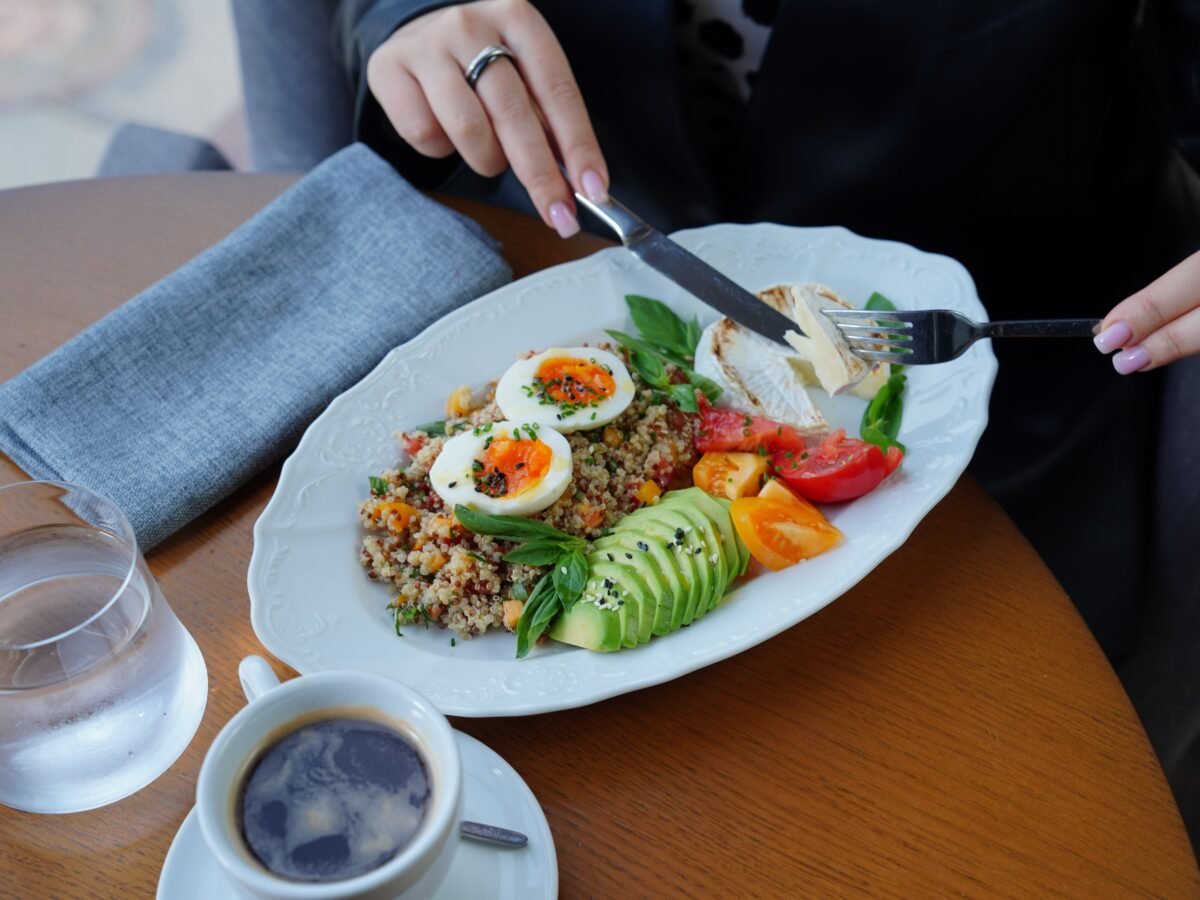
If you want the short version, these foods deliver the most iron in a typical portion, ranked using the same serving sizes as the table.
- Fortified breakfast cereal (18 mg): the clear winner, though only when the label says it is fortified with 100% of the DV.
- Oysters (8 mg per 3 oz): the richest natural food source on the list.
- Canned white beans (8 mg per cup): the top plant-based food, tied with oysters.
- Beef liver (5 mg per 3 oz): a nutrient-dense option for those who enjoy it.
- Lentils (3 mg per ½ cup): affordable, filling, and versatile.
- Spinach (3 mg per ½ cup cooked): a good source, though absorption is lower than the number suggests.
- Firm tofu (3 mg per ½ cup): a staple for vegetarian and vegan eaters.
- Dark chocolate (2 mg per ounce): a small treat that contributes.
- Kidney beans (2 mg per ½ cup): easy to add to chili, rice, and salads.
- Sardines (2 mg per 3 oz): iron plus protein and a convenient shelf-stable option.
Beef, chickpeas, potatoes, cashews, and stewed tomatoes all follow closely at about 2 mg per serving.
Why Does Your Body Need Iron?

Iron is a mineral your body relies on for growth and development. Its best-known job is as part of hemoglobin, the protein in red blood cells that carries oxygen from your lungs to the rest of your body. foods high in iron It also forms part of myoglobin, which supplies oxygen to muscle, and it supports physical growth, brain development, cell function, and the production of certain hormones.
An adult body holds roughly 3 to 4 grams of iron, most of it inside hemoglobin. The rest is stored, mainly as ferritin, in the liver, spleen, and bone marrow. Because you lose small amounts through urine, stool, sweat, and shed skin cells, and larger amounts through menstrual bleeding, you need to replace iron regularly through food.
No single food can cure low iron or anemia. Iron deficiency has several possible causes, and diet is only one of them. foods high in iron Food is the foundation of healthy iron intake, but a diagnosis and treatment plan must come from a healthcare professional.
Heme vs. Non-Heme Iron: What Is the Difference?
Dietary iron comes in two forms, and understanding them explains most of what follows in this guide.
Heme iron is found only in animal foods: meat, poultry, and seafood. Your body absorbs it more easily than the other type, and other foods in your meal have less effect on how much you take in.
Non-heme iron is found in plants and in iron-fortified foods. Meat, poultry, and seafood also contain some non-heme iron alongside their heme iron. foods high in iron Absorption of non-heme iron is lower, and it is strongly influenced by what else you eat at the same time.
Here is how the two compare in practice:
| Heme iron | Non-heme iron | |
|---|---|---|
| Found in | Meat, poultry, seafood | Plants, fortified foods, plus some in animal foods |
| Absorption | Higher | Lower, more variable |
| Affected by meal composition | Less | Much more |
| Share of iron in Western diets | About 10–15% | Most of the total |
Overall iron absorption is roughly 14% to 18% from mixed diets that include meat, seafood, and vitamin C, and 5% to 12% from vegetarian diets. foods high in iron For that reason, the iron requirement is 1.8 times higher for people who follow vegetarian diets. This does not mean plant-based eating is unhealthy. It simply means vegetarians and vegans benefit from planning, which the sections below will help you do.
Best Animal-Based Foods High in Iron
Animal foods contribute heme iron, and they also help you absorb the non-heme iron from plants eaten in the same meal.
Oysters and Other Shellfish
A 3-ounce serving of cooked eastern oysters provides about 8 mg of iron, or 44% of the DV, which makes oysters one of the richest food sources available. Clams and shrimp also contribute iron, foods high in iron though in smaller amounts. Always cook shellfish thoroughly and follow food safety guidance, especially during pregnancy.
Beef Liver and Red Meat
Pan-fried beef liver supplies about 5 mg per 3-ounce serving (28% DV). Braised bottom round beef provides around 2 mg for the same amount. Lean meat and seafood are described by NIH as the richest dietary sources of heme iron. foods high in iron Liver is also very concentrated in vitamin A, so it is best enjoyed in moderation, and pregnant women should ask their healthcare provider about it.
Sardines and Tuna
Canned sardines with bones provide about 2 mg per 3 ounces, and light tuna canned in water offers about 1 mg. Both are inexpensive, shelf-stable, and quick to prepare, which makes them practical for busy weeks.
Poultry and Eggs
Roasted chicken and turkey each supply about 1 mg per 3 ounces, and a hard-boiled egg provides about 1 mg. These are modest amounts, but they add up across a day and they come with high-quality protein.
Best Plant-Based Foods High in Iron
Plants supply non-heme iron. With smart pairing, they can meet your needs, and many plant foods bring fiber and other nutrients that animal foods lack.
Beans and Lentils
Legumes are the backbone of plant-based iron. A cup of canned white beans provides about 8 mg (44% DV), foods high in iron more than almost any other plant food. Lentils, kidney beans, and chickpeas each provide roughly 2 to 3 mg per half cup. They are cheap, store well, and fit into soups, curries, salads, wraps, and stews.
Tofu and Soy Foods
Half a cup of firm tofu supplies about 3 mg of iron (17% DV). It absorbs the flavors of whatever it is cooked with, which makes it easy to add to stir-fries, scrambles, and soups.
Dark Leafy Greens
Boiled spinach provides about 3 mg per half cup. However, spinach contains compounds that limit how much iron your body actually absorbs, foods high in iron so it is better to think of it as a helpful contributor than a primary source. Eating it with a vitamin C food, such as lemon juice or tomatoes, helps.
Nuts and Seeds
Oil-roasted cashews provide about 2 mg per ounce, and dry-roasted pistachios about 1 mg. They are portable and satisfying, and they make a useful snack between meals.
Whole Grains
Whole wheat bread, whole wheat spaghetti, and brown rice each provide about 1 mg per serving. Grains contain phytate, foods high in iron which can reduce iron absorption, but they still contribute meaningfully because we eat them so often.
Iron-Fortified Foods
In the United States, wheat and other flours are fortified with iron, and about half of dietary iron comes from bread, cereal, and other grain products. foods high in iron Breakfast cereals fortified at 100% of the DV deliver 18 mg in one serving, the highest figure on the list.
To use fortified foods wisely:
- Read the label. Fortification levels vary widely from brand to brand. Look for the iron percentage on the Nutrition Facts panel.
- Mind the sugar. Some heavily fortified cereals are also high in added sugar. Compare options.
- Pair with vitamin C. A glass of orange juice or a handful of berries alongside cereal supports absorption of the non-heme iron it contains.
Fortified foods are especially useful for vegetarians, teenage girls, and women of reproductive age, who are among the groups most likely to fall short.
Fruits and Vegetables That Contain Iron
Fruits and vegetables are not the richest iron sources, but several contribute, and many are also excellent sources of vitamin C, the nutrient that helps you absorb iron from other foods.
- Stewed tomatoes (about 2 mg per ½ cup canned) and a medium baked potato with skin (about 2 mg) are surprisingly useful.
- Green peas and broccoli provide about 1 mg per half cup.
- Raisins supply about 1 mg per quarter cup, and other dried fruits such as prunes and apricots are also commonly listed as plant sources.
The real power of produce is as a partner. Bell peppers, citrus fruits, tomatoes, kiwi, strawberries, and broccoli all bring vitamin C to a meal.
How to Help Your Body Absorb More Iron
What you eat alongside iron-rich food matters almost as much as the food itself, especially for non-heme iron.
Boosters
- Vitamin C (ascorbic acid) increases the bioavailability of non-heme iron. Add citrus, bell peppers, tomatoes, kiwi, or berries to plant-based iron meals.
- Meat, poultry, and seafood also enhance non-heme iron absorption when eaten in the same meal as plant foods.
Inhibitors
- Phytate, found in whole grains and beans, can reduce non-heme iron absorption.
- Polyphenols, found in some plant foods and in drinks like tea and coffee, can also lower absorption.
- Calcium might reduce absorption of both heme and non-heme iron.
Here is the honest nuance that many articles leave out. NIH notes that in a typical Western diet, these boosters and inhibitors tend to balance out and have little effect on most people’s iron status. They matter most for people at higher risk of low iron, such as vegetarians, frequent blood donors, foods high in iron and anyone already told they are deficient. If that is you, simple habits help: pair beans and lentils with a vitamin C food, and consider enjoying tea or coffee between meals rather than with your main iron-rich meal. If you take both calcium and iron supplements, experts suggest taking them at different times of day.
Some health sources also mention that cooking in an iron pan can add a little iron to food, which is a low-cost tip worth trying.
Easy Pairings That Work
| Iron-rich food | Add this vitamin C partner |
|---|---|
| Lentil soup | Stewed tomatoes or a squeeze of lemon |
| Bean and rice bowl | Bell peppers and salsa |
| Tofu stir-fry | Broccoli and red pepper |
| Fortified cereal | Strawberries or an orange |
| Chickpea salad | Lemon dressing and chopped tomatoes |
| Spinach salad | Citrus segments or strawberries |
How Much Iron Do You Need Each Day?
Your daily need depends on age, sex, and life stage. These are the Recommended Dietary Allowances (RDAs) set by the National Academies of Sciences, Engineering, and Medicine and published by NIH.
| Age | Male | Female | Pregnancy | Lactation |
|---|---|---|---|---|
| 7–12 months | 11 mg | 11 mg | ||
| 1–3 years | 7 mg | 7 mg | ||
| 4–8 years | 10 mg | 10 mg | ||
| 9–13 years | 8 mg | 8 mg | ||
| 14–18 years | 11 mg | 15 mg | 27 mg | 10 mg |
| 19–50 years | 8 mg | 18 mg | 27 mg | 9 mg |
| 51+ years | 8 mg | 8 mg |
Two points deserve emphasis. First, women aged 19 to 50 need more than twice as much iron as men of the same age (18 mg versus 8 mg), mainly because of menstrual blood loss, foods high in iron and needs rise to 27 mg during pregnancy. Second, vegetarians need about 1.8 times the amounts shown because non-heme iron is absorbed less efficiently.
These figures are U.S. recommendations. Other countries publish their own values, so if you live elsewhere, check your national guidelines.
Sample Iron-Rich Meal Ideas
Here is a practical day of eating built around the foods above. These are meal ideas, not a prescription, and portions should suit your appetite and needs.
A Simple One-Day Plan (Includes Meat)
- Breakfast: Fortified cereal with strawberries and a glass of orange juice.
- Lunch: Lentil soup made with stewed tomatoes, with a whole wheat roll.
- Snack: A small handful of cashews and a few raisins.
- Dinner: Braised beef with broccoli and a baked potato.
A Vegetarian or Vegan Day
- Breakfast: Fortified cereal or oatmeal topped with berries and pistachios.
- Lunch: Chickpea and tomato salad with lemon dressing and whole wheat pita.
- Snack: Dark chocolate and an orange.
- Dinner: Tofu stir-fry with broccoli, red peppers, and brown rice.
Quick Ideas for Different Needs
- Fast breakfast: fortified cereal with fruit, or scrambled eggs with whole wheat toast and a tomato.
- Packable lunch: bean and rice bowl with salsa, or a tuna and chickpea salad.
- Easy dinner: white bean and kale stew, or lentil curry served over rice.
- Snacks: cashews, pistachios, raisins, or dark chocolate.
Budget-Friendly Iron-Rich Foods
Eating enough iron does not have to be expensive. Some of the most useful sources are also the cheapest:
- Dried or canned beans and lentils, among the lowest-cost nutrition available
- Fortified breakfast cereal, often reasonably priced, especially store brands
- Canned sardines and tuna, shelf-stable and inexpensive
- Eggs, affordable and versatile
- Frozen vegetables like spinach and broccoli, which cost less than fresh and keep for months
- Tofu, usually cheaper per serving than meat
- Seeds and nuts bought in bulk
Canned beans and lentils in particular give you more iron per dollar than most meat, and pairing them with a vitamin C food costs almost nothing extra.
Can You Get Too Much Iron From Food or Supplements?
For most healthy adults, getting too much iron from food alone is very unlikely. The risk comes mainly from supplements.
The Tolerable Upper Intake Level (UL), the maximum daily amount unlikely to cause harm, is 45 mg per day for adults and teens aged 14 and over, including iron from food, drinks, and supplements. foods high in iron High-dose supplements can cause nausea, stomach pain, constipation, vomiting, and diarrhea, and very large amounts can be dangerous, particularly for children. Accidental iron overdose is a leading cause of fatal poisoning in children under 6, so keep any iron-containing product out of children’s reach.
Some people absorb too much iron because of a genetic condition called hereditary hemochromatosis. If you have it, you should not take iron or vitamin C supplements without medical guidance. A doctor may sometimes prescribe iron above the UL for a limited time to treat deficiency, foods high in iron which is why supplements should be taken only when a healthcare professional recommends them, not on a hunch.
Iron can also interact with certain medicines, including levodopa and levothyroxine, and some acid-reducing medicines can lower absorption. If you take regular medication, talk to your pharmacist or doctor before starting an iron supplement.
Signs of Iron Deficiency and When to See a Doctor
Iron deficiency develops in stages, from depleted stores to full iron-deficiency anemia. Symptoms can include unusual tiredness, weakness, trouble concentrating, and stomach upset. In infants and children, deficiency can affect learning and development.
The important caveat is that these symptoms are not specific. Fatigue and weakness have many possible causes, foods high in iron including other nutrient deficiencies, sleep problems, thyroid conditions, and chronic illness. You cannot diagnose low iron from symptoms alone or fix it by guessing.
Groups more likely to fall short include infants and young children, teenage girls, women with heavy menstrual bleeding, pregnant women, frequent blood donors, and people with certain gastrointestinal conditions. A healthcare professional can order blood tests, such as hemoglobin and serum ferritin, to check your iron status and find the cause.
See a doctor if you notice persistent fatigue or weakness, if you have heavy periods, if you are pregnant or planning pregnancy, foods high in iron or if you are vegetarian and worried about your intake. Food is a valuable part of prevention and recovery, but it is not a substitute for medical evaluation.
Frequently Asked Questions About Foods High in Iron
What foods are highest in iron?
Per standard serving, fortified breakfast cereal (up to 18 mg), oysters (8 mg per 3 ounces), canned white beans (8 mg per cup), and beef liver (5 mg per 3 ounces) rank highest in the NIH data. Lentils, tofu, spinach, and chickpeas follow.
Which fruit has the most iron?
Fruit is generally a modest iron source. Raisins provide about 1 mg per quarter cup, and dried fruits such as prunes and apricots are commonly listed as plant sources. Fruit is most valuable for its vitamin C, which helps absorb iron from other foods.
What vegetables are high in iron?
Spinach and potatoes (about 3 mg and 2 mg per serving respectively), along with stewed tomatoes, green peas, and broccoli, contribute iron. Legumes such as beans, lentils, and chickpeas are botanically vegetables in many diets and are the strongest plant sources.
How can I increase my iron intake naturally?
Eat a variety of iron-rich foods across the day, add vitamin C foods to plant-based meals, include fortified cereals or breads, and consider cooking in an iron pan. If you still suspect low iron, ask a doctor for blood tests rather than self-treating.
Are beans high in iron?
Yes. Canned white beans provide about 8 mg per cup, and kidney beans, lentils, and chickpeas provide around 2 to 3 mg per half cup. Pairing them with vitamin C improves absorption.
Is spinach a good source of iron?
Spinach contains a useful amount (about 3 mg per half cup cooked), but it also contains compounds that reduce how much iron you absorb. It is a worthwhile contributor, not the best single source. Eating it with a vitamin C food helps.
Final Takeaway: Build Your Plate Around Variety and Pairing
The foods highest in iron per serving are fortified cereal, oysters, white beans, and beef liver, but a day of well-chosen meals can meet your needs without relying on any single food. Mix animal and plant sources if you eat both, lean on beans, lentils, tofu, and fortified foods if you do not, and add vitamin C to plant-based meals. Check serving sizes and labels, know your own daily target, and remember that supplements belong under medical guidance, not guesswork.
If you often feel unusually tired, have heavy periods, are pregnant, or follow a vegetarian diet and want reassurance, ask a healthcare professional about checking your iron status. Food is a powerful tool, and the right test tells you whether it is enough.