
How to Lower Diastolic Blood Pressure: Causes, Safe Steps and When to Get Help


how to lower diastolic blood pressure is the bottom number in a reading like 120/85. If that second number is high, it is natural to ask how to bring it down. The honest answer has two parts. The habits that help are well known and mostly simple. But the goal is not to push down one number on its own. The goal is to bring your overall blood pressure into a healthy range, with guidance from a clinician who knows your history.
This guide explains what diastolic pressure means, what can raise it, how to lower diastolic blood pressure which lifestyle changes have the strongest support, how to measure your pressure properly at home, when medicine may be needed, and when a reading is an emergency.
How Do You Lower Diastolic Blood Pressure?

For most adults, lowering diastolic blood pressure means the same things that lower blood pressure overall:
- Get an accurate diagnosis. A single high reading is not a diagnosis. Repeat readings, ideally including home or 24-hour monitoring, are used to confirm it.
- Eat a heart-healthy pattern (such as DASH or Mediterranean-style eating) and cut back on excess sodium.
- Move regularly. Aim for about 150 minutes of moderate activity a week, unless your doctor advises otherwise.
- Work toward a healthy weight if you carry excess weight.
- Avoid tobacco and limit alcohol.
- Protect your sleep and ask about sleep apnea if you snore loudly or feel exhausted by day.
- Take prescribed medicine exactly as directed, and never stop or change it on your own.
Important: you cannot safely “target” diastolic pressure alone at home. how to lower diastolic blood pressure Treatment is based on your whole blood pressure picture, medical history and risk factors, which only a qualified clinician can assess.
What Is Diastolic Blood Pressure?
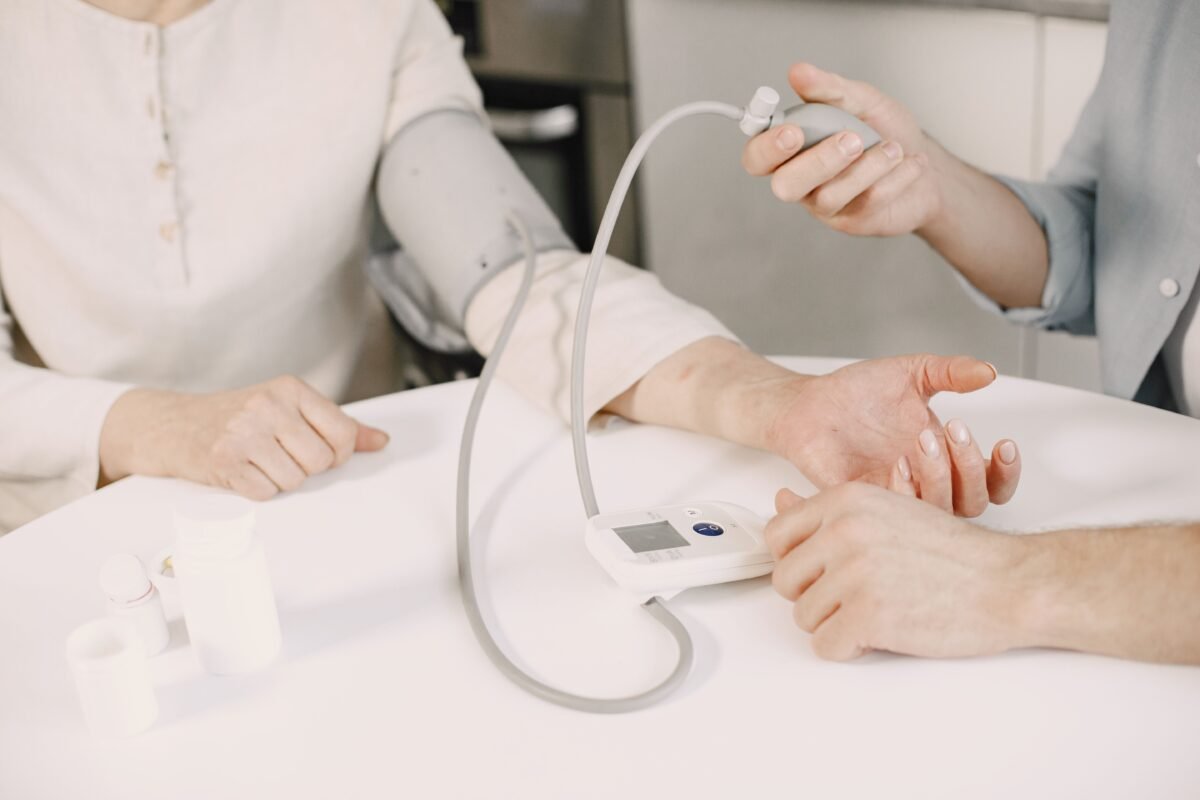
Blood pressure is the force of blood pushing against your artery walls. how to lower diastolic blood pressure It is written as two numbers in millimetres of mercury (mmHg).
- Systolic (top number): pressure when your heart beats and pushes blood out.
- Diastolic (bottom number): pressure in your arteries while your heart rests between beats and refills with blood.
Systolic vs. Diastolic Blood Pressure
Both numbers matter. Systolic pressure tends to get more attention, especially as people age, because it rises more with stiffening arteries. But diastolic pressure is not the “less important” number. how to lower diastolic blood pressure Elevated diastolic readings are part of how high blood pressure is diagnosed, and they contribute to cardiovascular risk, particularly in adults under about 50.
What Is Isolated Diastolic Hypertension?
Isolated diastolic hypertension means a diastolic reading in the high range while the systolic reading stays below the hypertension threshold, for example 125/92. how to lower diastolic blood pressure It is most often seen in younger and middle-aged adults. Doctors usually confirm it with repeated measurements, and sometimes with ambulatory (24-hour) monitoring, because blood pressure naturally varies through the day.
Blood Pressure Categories: Why Thresholds Differ by Country

Different guidelines use different cut-offs, and it is important not to treat one country’s numbers as universal.
The 2025 American guideline (AHA/ACC and partner organisations) keeps the same categories as 2017: normal is below 120/80, elevated is 120–129 with diastolic under 80, how to lower diastolic blood pressure stage 1 hypertension is 130–139 or 80–89, and stage 2 is 140 or higher, or 90 or higher. The same guideline sets a treatment target of below 130/80 mmHg for all patients, with encouragement to reach below 120 systolic.
European guidance (the 2024 ESC hypertension guideline) uses a different framework. It describes “elevated” blood pressure at a lower level than hypertension and generally uses a 140/90 mmHg office reading as the threshold for hypertension, how to lower diastolic blood pressure with treatment decisions that depend on overall cardiovascular risk. Other countries, such as the UK (NICE) and Australia, publish their own recommendations.
What this means for you: the numbers on your doctor’s chart, and the targets they set for you, may differ from the numbers in an article written for another country. Always use the targets your own clinician gives you. how to lower diastolic blood pressure This article is not meant to let you diagnose yourself.
Can You Lower Diastolic Blood Pressure on Its Own?
Not safely, and not as a separate goal. Lifestyle changes and medicines act on the body’s circulation as a whole. They usually bring both numbers down together. how to lower diastolic blood pressure If your diastolic number drops while your systolic number stays high (or the reverse), that still matters, and your clinician will look at both.
Trying to push one number down with unproven tricks can also cause harm. how to lower diastolic blood pressure For example, skipping meals, taking supplements without advice, or cutting back on medicine because “the top number is fine” can backfire.
What Causes High Diastolic Blood Pressure?
High diastolic pressure rarely has one cause. Common contributors include:
Lifestyle and Metabolic Risk Factors
- Eating a lot of salt and highly processed food
- Excess body weight, especially around the waist
- Low physical activity
- Heavy alcohol use
- Smoking or vaping nicotine
- Chronic stress and poor sleep
- Type 2 diabetes and insulin resistance
- Family history and age
Sleep Apnea, Medicines and Other Possible Causes
- Obstructive sleep apnea: repeated pauses in breathing during sleep strain the cardiovascular system. Clues include loud snoring, someone noticing you stop breathing, how to lower diastolic blood pressure waking with a dry mouth or headache, and daytime sleepiness. If this sounds familiar, ask a doctor about a sleep assessment.
- Medicines and substances: some decongestants, anti-inflammatory painkillers (NSAIDs), certain antidepressants, hormonal medicines, stimulants and energy products can raise blood pressure. Do not stop a prescribed medicine yourself. Ask your doctor or pharmacist.
- Kidney disease and hormonal conditions: in some adults, high blood pressure is secondary to another condition, such as kidney problems or an adrenal or thyroid disorder. how to lower diastolic blood pressure The 2025 US guideline, for example, recommends a urine albumin-to-creatinine ratio test (a kidney health check) for all patients with high blood pressure.
- Anxiety and the “white coat” effect: stress at the clinic can raise a reading temporarily, which is one reason home readings are valuable.
How to Lower Diastolic Blood Pressure Safely
The following steps are ordered by how strong and consistent the supporting evidence is. how to lower diastolic blood pressure All of them are broadly consistent with major cardiology guidelines, but the amount of benefit varies from person to person.
Follow a Heart-Healthy Eating Pattern
The DASH diet (Dietary Approaches to Stop Hypertension) and Mediterranean-style eating both have strong evidence for lowering blood pressure. In practice:
- Fill half your plate with vegetables and fruit.
- Choose whole grains like oats, brown rice, whole-wheat bread and quinoa.
- Eat legumes, nuts and seeds (beans, lentils, chickpeas, unsalted nuts).
- Choose fish, poultry and plant proteins more often than processed or red meat.
- Pick low-fat or fat-free dairy or fortified alternatives.
- Use olive or other unsaturated oils instead of butter and hard fats.
- Limit sugary drinks, sweets, fried food and ultra-processed snacks.
Reduce Excess Sodium
Most dietary sodium comes from packaged and restaurant food, how to lower diastolic blood pressure not the salt shaker. Practical steps:
- Check nutrition labels and compare similar products.
- Cook more meals from fresh ingredients.
- Rinse canned beans and vegetables.
- Flavour food with herbs, spices, lemon, garlic and vinegar.
- Be careful with processed meats, instant noodles, sauces, soups, pickles and bread, which add up quickly.
Many health organisations recommend keeping sodium below about 2,300 mg a day, and aiming nearer 1,500 mg if you have high blood pressure, but your own target should come from your clinician.
A note on potassium: potassium-rich foods (bananas, beans, potatoes, leafy greens, yoghurt) help many people. But potassium supplements and potassium-based salt substitutes are not right for everyone. how to lower diastolic blood pressure Medical guidance on these is that potassium-based salt substitutes are recommended except where chronic kidney disease or potassium-retaining medicines make extra monitoring necessary. Check with your doctor before using them if you have kidney disease or take certain blood pressure medicines.
Get Regular Physical Activity
- Aim for about 150 minutes a week of moderate activity (brisk walking, cycling, swimming), or about 75 minutes of vigorous activity, spread over most days.
- Add muscle-strengthening activity twice a week.
- Start slowly if you are inactive, and build up. If you have heart disease, chest symptoms or very high readings, ask your doctor what is safe before starting vigorous exercise.
- Avoid heavy straining or breath-holding when lifting weights if your blood pressure is high and uncontrolled.
Work Toward a Healthy Weight if Appropriate
For adults who carry extra weight, even modest weight loss can lower blood pressure. A realistic, sustainable goal set with a clinician or dietitian is more effective than crash dieting. how to lower diastolic blood pressure Weight is a sensitive topic, and body size alone does not tell the full story, so focus on habits you can keep.
Avoid Tobacco and Limit Alcohol
- Tobacco and nicotine raise heart rate and blood pressure in the short term and damage blood vessels over time. Quitting is one of the most valuable steps for heart health. Ask your doctor about stop-smoking support.
- Alcohol can raise blood pressure when used regularly or heavily. Less is better. If you drink, keep it modest, and ask your clinician what is sensible for you.
Prioritize Sleep and Manage Stress
- Aim for about 7–9 hours of sleep for most adults, on a consistent schedule.
- Practise a relaxation technique you will actually do, such as slow breathing, meditation, yoga, gentle stretching or time in nature.
- Treat sleep disorders. Treating sleep apnea, where present, can help blood pressure control.
- Limit late-night caffeine and screens.
What about supplements, acupuncture and “quick fixes”? Evidence for many popular remedies is limited or mixed. They should not replace proven steps, and some supplements can interact with medicines or harm the kidneys. how to lower diastolic blood pressure Talk to a clinician before using them.
How to Measure and Track Blood Pressure at Home
Home readings help confirm a diagnosis and show whether treatment is working. The 2025 US guideline recommends home blood pressure monitoring to help confirm an office diagnosis, track progress and tailor care.
How to Use an Upper-Arm Blood Pressure Monitor
Choose a validated upper-arm cuff monitor with the correct cuff size (a cuff that is too small can give falsely high readings). In the US, how to lower diastolic blood pressure a list of independently validated home devices is available at validatebp.org, with validated cuff sizes noted. Other countries have their own lists, so ask your pharmacist or doctor.
Then follow this checklist:
- Prepare: avoid caffeine, exercise and smoking for about 30 minutes before. Use the toilet first.
- Sit quietly for five minutes with your back supported and feet flat on the floor, legs uncrossed.
- Position your arm: rest it on a table so the cuff is at heart level, with the cuff on bare skin (not over clothing).
- Stay still and silent. Do not talk or look at your phone during the measurement.
- Take two readings, about a minute apart, and write down both.
- Repeat at consistent times, often morning and evening for about a week before a doctor’s visit, or as your clinician advises.
- Keep a log (paper or app) with date, time, readings and any symptoms, and bring it to appointments.
Avoid common mistakes: measuring right after climbing stairs, using a wrist or finger device without clinical advice, talking while measuring, and checking so often that you become anxious. Take your log, not panic, to your doctor.
When Home or 24-Hour Monitoring May Be Recommended
If office readings are borderline or seem inconsistent with home readings, your clinician may suggest ambulatory blood pressure monitoring, in which you wear a cuff for 24 hours. It shows how your pressure behaves during the day and sleep, and helps separate true hypertension from “white coat” effects.
Wearable gadgets and smartwatches that estimate blood pressure can show trends, but they are generally not a substitute for a validated cuff when you are diagnosing or adjusting treatment.
When Might Medication Be Needed?
Lifestyle changes are the foundation, but they are not always enough. Many people also need medicine.
Why Treatment Must Be Individualized
The 2025 US guideline notes that for many people with high blood pressure, especially those with type 2 diabetes, obesity or kidney disease, how to lower diastolic blood pressure more than one medicine may be needed to reach the target of below 130/80 mmHg. In many cases, doctors check progress with home and office readings after about three to six months of lifestyle changes before deciding on medication. People with higher readings may start medicines sooner.
Several classes of blood pressure medicine exist, and the right one depends on your age, other health conditions, pregnancy plans, kidney function and side effects. This is a decision for a prescriber, not a list to choose from yourself.
Medicine safety rules:
- Do not stop, skip, double up or change a prescribed blood pressure medicine without talking to your prescriber, even if your readings look normal. Normal readings often mean the medicine is working.
- Tell your doctor and pharmacist about every medicine, supplement and herbal product you use.
- Report side effects such as dizziness, persistent cough, swelling or fatigue. There are often alternatives.
- Ask before using over-the-counter painkillers or cold remedies, since some raise blood pressure.
When to Contact a Healthcare Professional or Seek Emergency Help
Book an appointment soon if:
- Your home readings are repeatedly above the level your doctor gave you, or your diastolic reading is regularly 90 mmHg or higher.
- You have risk factors such as diabetes, kidney disease, heart disease, pregnancy or a strong family history.
- You have symptoms of possible sleep apnea.
- You are unsure how to measure your pressure correctly.
If a reading is very high (for example, around or above 180/120 mmHg): sit quietly, wait a few minutes and measure again. If it remains this high, contact a healthcare professional urgently.
Call your local emergency number immediately if a very high reading comes with:
- Chest pain or pressure
- Shortness of breath
- Sudden weakness, numbness or drooping on one side of the face or body
- Difficulty speaking or understanding speech
- Sudden vision changes or severe headache
- Confusion or fainting
Do not drive yourself to the hospital in an emergency.
What to Discuss With Your Doctor
Bring these to your appointment:
- Your blood pressure log
- A list of all medicines and supplements
- Your sleep, snoring and fatigue symptoms
- Family history of high blood pressure, stroke or heart disease
- Questions about kidney tests, blood tests and cholesterol
- Your own target numbers and how often to recheck
How Long Can Blood Pressure Changes Take?
Some changes, like cutting salt or exercising, can show small improvements in a few weeks. Larger and more stable effects usually take a few months of consistent effort. Your pressure can still vary daily, so judge progress by averages and trends rather than single readings. Keep taking any prescribed medicine, and recheck with your clinician at the intervals they recommend.
Frequently Asked Questions
What is a healthy diastolic blood pressure?
In many guidelines, a diastolic reading below 80 mmHg is considered normal, but definitions vary by country and age. Your target should come from your own clinician.
Is a diastolic reading of 90 considered high?
Under both the US and European frameworks, a repeated diastolic reading of 90 mmHg or higher is generally in the hypertension range. A single reading is not a diagnosis, so confirm it with repeat or home measurements and a clinician.
Can stress temporarily raise diastolic pressure?
Yes. Stress, pain, caffeine, cold, a full bladder and talking during measurement can all raise a reading temporarily. That is why correct technique and repeat readings matter.
Can sleep apnea cause high diastolic blood pressure?
Sleep apnea is a recognised contributor to high blood pressure, including diastolic readings. If you snore loudly, stop breathing in your sleep, or feel sleepy during the day, ask your doctor about assessment.
Does drinking water lower diastolic blood pressure?
Staying hydrated is healthy, but water is not a proven treatment for high blood pressure. Focus on diet, activity, weight, sleep and medical care instead.
Can I stop blood pressure medicine when my reading improves?
No. Improved readings usually mean the treatment is working. Stopping suddenly can cause blood pressure to rise again. Talk to your prescriber before any change.
Can I lower my diastolic pressure without medicine?
For some adults with mildly raised blood pressure, lifestyle changes alone can be enough. Others need medicine as well. Your clinician decides based on your readings and overall risk.
Is a low diastolic pressure a problem?
Very low readings, especially with dizziness, fainting or confusion, should be checked by a doctor. Do not try to “fix” a reading on your own.
Are wrist or smartwatch blood pressure monitors accurate?
Validated upper-arm cuffs remain the standard for home monitoring. Wrist devices and smartwatches can be less reliable, so ask your clinician before relying on them for decisions.
Final Thoughts: Lowering Diastolic Blood Pressure the Safe Way
The most reliable way to lower diastolic blood pressure is to look after your whole cardiovascular health: eat well, move often, sleep properly, avoid tobacco, limit alcohol, manage stress and, where needed, take medicine as prescribed. Measure carefully at home, keep a log, and share it with your doctor.
If you remember one thing: check accurately, change habits steadily, never adjust medicine alone, and get urgent help for very high readings with symptoms.