
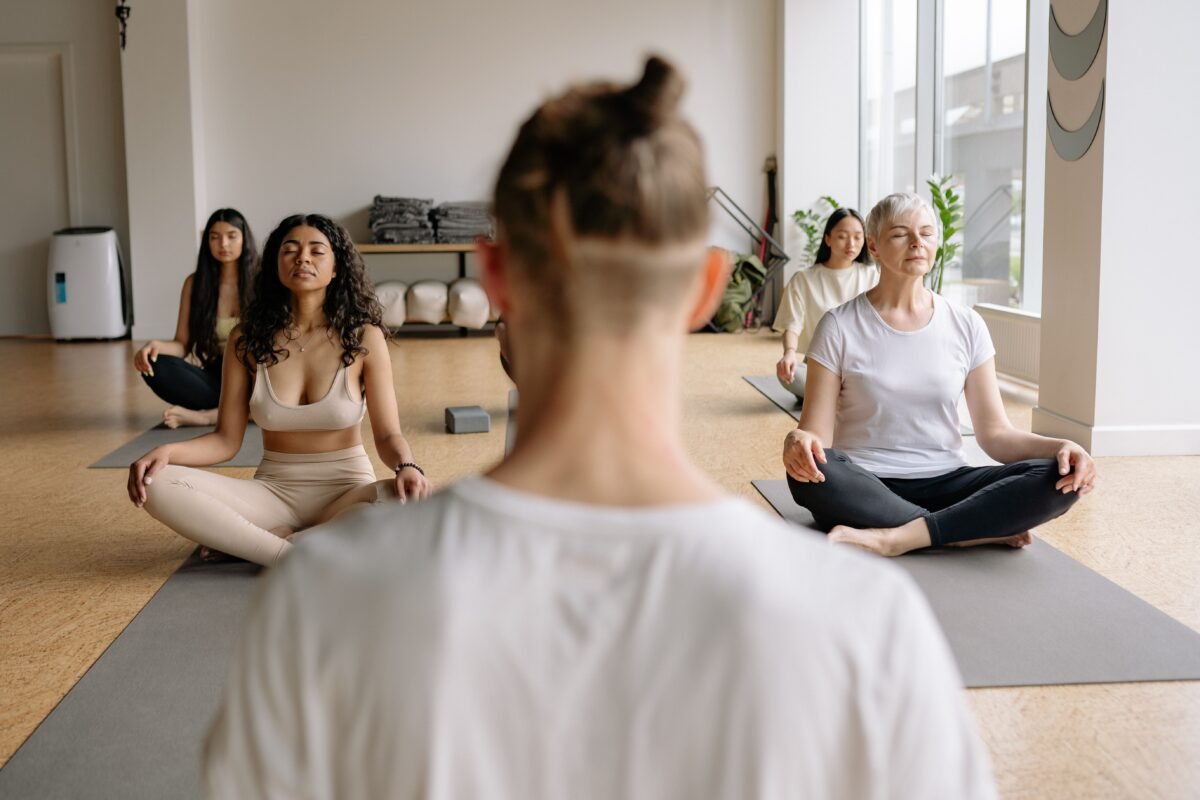
What Is Mindfulness Meditation?
Mindfulness meditation is the practice of paying deliberate attention to the present moment, such as your breath, body sensations, sounds or thoughts, while meeting whatever you notice with curiosity instead of judgement. What Is Mindfulness Meditation When your mind wanders, you notice it and gently return your attention. The goal is awareness, not an empty mind.
A simple example: you sit down, feel your breath moving at your nostrils, and after ten seconds find yourself thinking about dinner. In mindfulness meditation, noticing “I’m thinking about dinner” is not a failure. It is the practice. You note it, let it go and return to the breath.
That small loop, which means attending, drifting, noticing and returning, is the whole exercise. What Is Mindfulness Meditation It sounds easy and turns out to be quietly challenging, which is why so many people find it useful and why so many give up in the first week.
This guide covers the definition, how mindfulness differs from meditation and relaxation, What Is Mindfulness Meditation what research can and cannot say about benefits, a complete 5-minute routine you can follow without an app, common problems, safety considerations and answers to frequently asked questions.
Mindfulness vs Meditation: What Is the Difference?
The two words overlap, but they are not identical.
Mindfulness is a quality of attention. It means being aware of what is happening, as it happens, without automatically reacting to it. You can be mindful while washing dishes, walking to work or listening to a friend.
Meditation is a broad term for training practices that develop attention, awareness or a particular mental quality. Meditation includes many traditions and techniques, such as focusing on a mantra, repeating phrases of kindness or following the breath.
Mindfulness meditation is the intersection: a formal practice, usually done seated for a set time, that deliberately trains mindful awareness.
It also helps to know the two broad styles:
- Formal practice means setting time aside to sit (or lie, or walk) and practise, for example five minutes of breath awareness each morning.
- Informal practice means bringing the same quality of attention into ordinary activities, such as eating a meal without your phone or noticing the feel of water while washing your hands.
Most people benefit from a bit of both, but starting with short formal sessions makes the skill easier to learn.
Mindfulness Meditation vs Relaxation vs Prayer
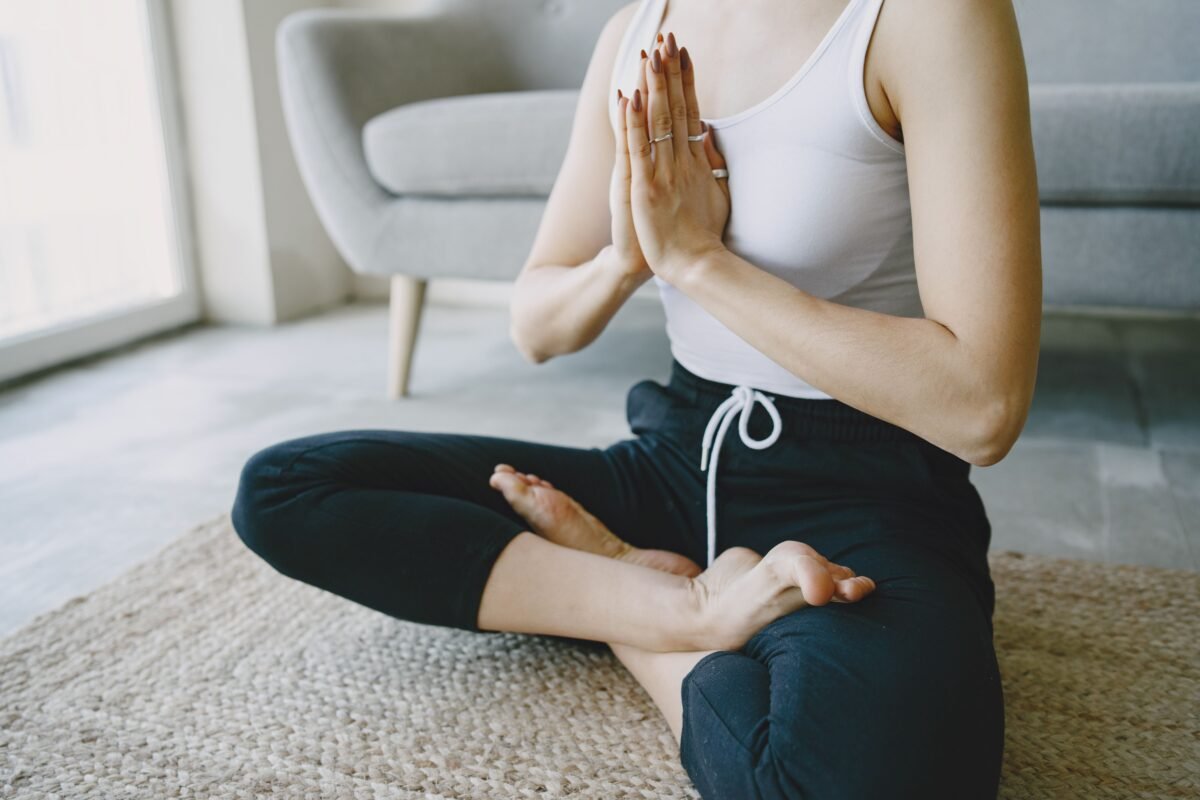
Beginners often assume mindfulness meditation should feel relaxing, or that it is the same as other quiet practices. What Is Mindfulness Meditation A neutral comparison clears up the confusion.
| Mindfulness meditation | Relaxation techniques | Prayer or contemplative practice | |
| Main aim | Observe present-moment experience without judgement | Reduce tension and calm the body | Varies by tradition, often connection, reflection or devotion |
| If you feel restless | Notice the restlessness and stay with it | Try to ease it (e.g., by loosening muscles) | Depends on the practice |
| Is calm required? | No. Calm may come, but it is not the goal | Calm is usually the goal | Not necessarily |
| Thoughts | Noticed and let go without suppressing | May be gently set aside | Often central to the practice |
| Religious content | Not inherently religious, though rooted in contemplative traditions | None | Often religious or spiritual |
None of these is “better”. People choose approaches that fit their needs and beliefs, and some do several. What Is Mindfulness Meditation The key difference is that mindfulness meditation does not try to change what you feel. It trains you to notice it.
How Does Mindfulness Meditation Work?
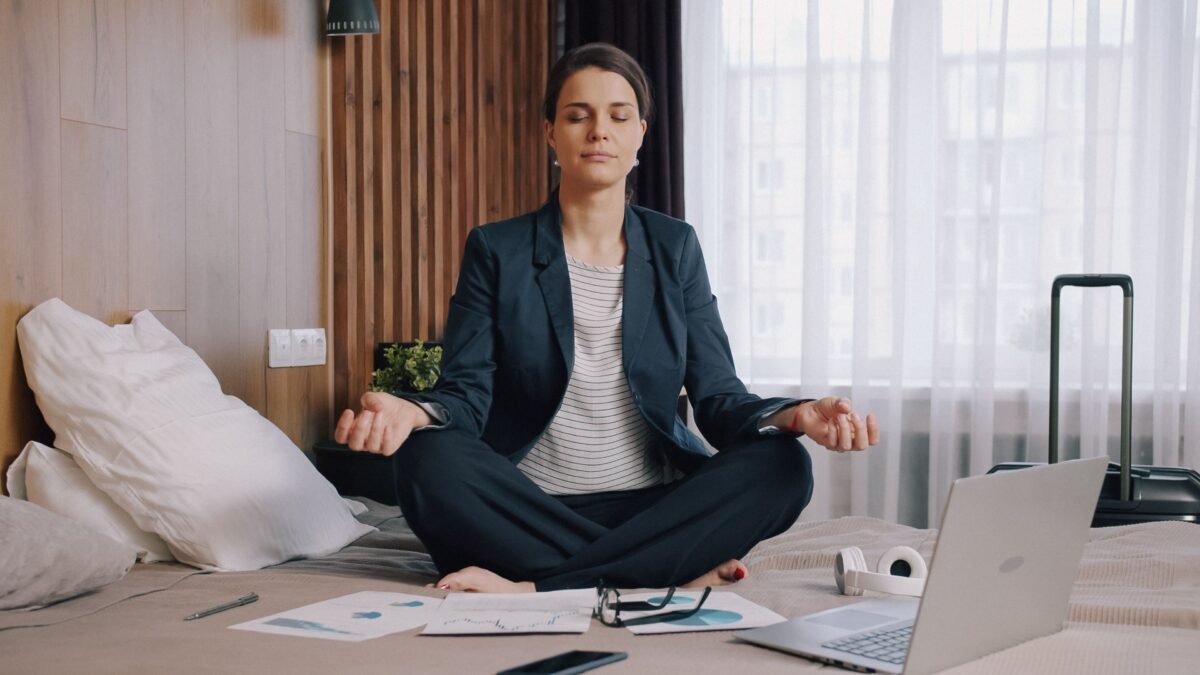
Researchers and teachers describe several overlapping ideas. What Is Mindfulness Meditation None of them is a settled, complete explanation, and the science is still developing, but they help make sense of the practice.
Attention training. Returning your attention again and again is like a mental repetition. Over time, many people report noticing sooner when they have drifted into worry or distraction.
Creating a gap between a thought and a reaction. When you observe a thought as “a thought” instead of an instruction or a fact, you may find a little more space before you react. For example, “I’m going to fail” becomes “I’m having the thought that I’ll fail.”
Acceptance. Practice encourages allowing experiences to be present instead of fighting them. This can reduce the extra layer of struggle people sometimes add to discomfort, such as being anxious about being anxious.
Body awareness. Tuning in to physical sensations, like a tight jaw or shallow breathing, can help you notice stress earlier.
Two well-known structured programmes use these ideas. Mindfulness-based stress reduction (MBSR) is an eight-week group course that includes meditation, gentle movement and discussion. What Is Mindfulness Meditation Mindfulness-based cognitive therapy (MBCT) combines mindfulness with elements of cognitive therapy and was developed to help prevent relapse of depression. Both are usually taught by trained instructors.
What Does the Research Say About the Benefits?
This is where many articles overpromise. What Is Mindfulness Meditation Mindfulness meditation has been studied extensively, and a lot of the findings are encouraging, but the evidence is uneven and still debated. A fair summary looks like this.
| Area | What research suggests | How firm is it? |
| Anxiety and depression | Mindfulness-based programmes show moderate evidence of improving symptoms in some reviews | Moderate, but effects are often smaller when compared with active treatments or other activities |
| Stress | Many studies report lower perceived stress after training | Fairly consistent in self-reports, though self-report has limitations |
| Sleep | Practice may improve sleep quality, with effects comparable to CBT or exercise in some analyses | Promising but not conclusive |
| Chronic pain | Some studies suggest it can change how people relate to pain | Mixed. Evidence is better for chronic than acute pain |
| Blood pressure | Possible benefit, but specific effects are not established | Limited |
| Attention and focus | Some improvements reported | Varies by study design and measure |
| Weight and eating behaviour | Possible help with eating habits | Preliminary |
A few important points sit behind the table.
First, “may help” is not “will help”. Outcomes differ from person to person, and many studies are small, short or lack strong comparison groups.
Second, effects often shrink against an active comparison. In some reviews, mindfulness programmes performed similarly to other evidence-based treatments rather than clearly better, and showed smaller effects than when compared with no treatment at all. What Is Mindfulness Meditation That suggests mindfulness is one reasonable option among several, not a unique cure.
Third, research quality is still catching up. Scientists have raised concerns about publication bias, inconsistent definitions and the way side effects are reported. What Is Mindfulness Meditation This does not mean the practice is useless. It means claims should be modest.
Finally, mindfulness meditation is not a replacement for medical or mental health treatment. If you are managing a condition such as depression, anxiety, chronic pain or insomnia, discuss it with your healthcare provider. What Is Mindfulness Meditation Mindfulness may be a useful addition for some people, but the right plan depends on your circumstances.
How to Practice Mindfulness Meditation: A 5-Minute Beginner Guide
You do not need an app, a cushion or special clothing. You need a few minutes and somewhere reasonably quiet. Here is a complete first session.
What you need: a chair or any comfortable seat, a timer (your phone is fine, set to a gentle sound), and five minutes.
- Set a timer for five minutes. Knowing when you will finish lets you stop checking the time.
- Sit comfortably. Place your feet on the floor and let your back be upright but not stiff. Rest your hands on your lap. If sitting is uncomfortable, you may lie down or stand. Comfort matters more than a perfect posture.
- Close your eyes, or lower your gaze. If closing your eyes feels uneasy, keep them open and rest your gaze softly on a spot a metre or two ahead.
- Find your anchor. Notice where you feel the breath most clearly: the nostrils, the chest or the belly. You do not need to change your breathing. Just feel it as it is.
- Follow a few breaths. Pay attention to the sensation of breathing in and out. Some people silently count each exhale from one to ten, then start again.
- Notice when your mind wanders. It will. You might be planning, remembering or judging how well you are doing. Silently label it, such as “thinking”, and that is the moment of mindfulness.
- Return gently. Bring your attention back to the breath without scolding yourself. You may do this dozens of times in five minutes, and each return counts as a repetition.
- Widen your awareness (optional). In the last minute, notice sounds, the contact of your body with the chair and the overall feeling in your body.
- Finish slowly. When the timer sounds, take a breath, open your eyes and notice how you feel before you move on, without judging it.
Short on time? A 2-minute version works too. Sit, feel five to ten breaths, and return each time you drift.
What to expect in your first five minutes:
- Your mind will probably wander, and that is normal.
- You may feel calm, restless, bored, sleepy or none of those.
- It may feel awkward. That is common at the start.
- There is no right feeling to aim for.
Types of Mindfulness Practice
Once the breath feels familiar, you may like to try other forms. All train the same basic skill.
Breath awareness. The foundation practice above.
Body scan. You move your attention slowly through the body, from the feet to the head, noticing sensations without trying to change them. What Is Mindfulness Meditation It is often done lying down and can take 10 to 30 minutes.
Mindful walking. You walk slowly and notice the feeling of each step, the lifting and placing of the feet, and the movement of the body.
Mindful eating. You eat a small amount of food, such as a raisin or a piece of fruit, slowly, noticing texture, smell and taste.
Open awareness. Instead of one anchor, you notice whatever arises, such as sounds, sensations and thoughts, without holding on to any of it.
Mindful movement. Gentle stretching or yoga practised with attention to sensations.
If sitting still feels difficult, walking or movement-based practice may suit you better. What Is Mindfulness Meditation There is no rule that meditation must be motionless.
Common Beginner Problems and How to Handle Them
| Problem | What is happening | What you can try |
| “My mind won’t stop thinking.” | This is the mind doing what minds do | Treat each noticing as success. Label the thought and return to the breath |
| “I keep falling asleep.” | Tiredness, or a very relaxed position | Sit upright, open your eyes, practise earlier in the day or try walking meditation |
| “I’m restless or fidgety.” | Energy or discomfort has nowhere to go | Notice the restlessness as a sensation, adjust your posture mindfully or try a shorter session |
| “I feel bored.” | Boredom is a normal experience to observe | Notice what boredom feels like in the body, and keep sessions short |
| “I’m not relaxed. Am I doing it wrong?” | Relaxation is not the goal | Remind yourself the aim is awareness, not a particular feeling |
| “I judge myself for being bad at it.” | Self-criticism is common | Treat the judgement as another thought to notice and return |
| “I can’t find time.” | Hard to fit in | Attach practice to an existing habit, such as after brushing your teeth. Start with two minutes |
| “It makes me feel anxious or sad.” | Quiet can bring difficult feelings to the surface | See the safety section below |
A useful reframe: if you notice your mind has wandered and you come back, you have just done a successful repetition. What Is Mindfulness Meditation Mindfulness practice is closer to a mental workout than a mental holiday.
How Often Should You Practise?
There is no single correct answer. A realistic approach for beginners:
- Start small. Two to five minutes a day is enough to begin.
- Choose consistency over length. A short daily practice is easier to maintain than an occasional long one.
- Increase gradually. If you want to, add a few minutes over several weeks. Many structured programmes build up to 20 to 45 minutes, but this is not required.
- Pick a regular time and cue. Mornings, lunch breaks and evenings all work. Attach it to something you already do.
- Be flexible. Missing a day is not failure. Start again.
Most research programmes involve regular practice over weeks, so it is reasonable to expect that results, if they come, build gradually. What Is Mindfulness Meditation It is not an overnight effect.
When to Modify the Practice or Seek Professional Support
Mindfulness meditation is generally low-risk for most people, and many find it helpful. But it is not harmless for everyone, and honest articles should say so.
Research on meditation has historically reported benefits far more than difficulties, and adverse effects have been reported inconsistently across studies. What Is Mindfulness Meditation Reported difficulties include increased anxiety, unwanted emotions or memories, low mood, feeling detached or unreal, and, rarely, more serious reactions. How common these are is still debated, and some researchers argue that discomfort is part of becoming more aware, while others emphasise that certain people can be harmed, particularly during intensive practice such as long retreats. What Is Mindfulness Meditation What is clear is that individual responses vary.
Take extra care or get guidance first if you:
- Have a history of trauma or post-traumatic stress
- Live with severe depression, anxiety, psychosis, bipolar disorder or other serious mental health conditions
- Have experienced dissociation (feeling unreal or detached)
- Are currently in a mental health crisis
- Are considering a long or intensive meditation retreat
In these cases, speak to your doctor or a mental health professional before starting, and consider working with a teacher or therapist trained in trauma-sensitive mindfulness.
If meditation feels uncomfortable, you can:
- Keep your eyes open
- Shorten the session or take a break
- Focus on something neutral, such as your feet on the floor or sounds in the room, instead of the breath or body sensations
- Try walking or movement-based practice
- Stop altogether. You are always free to stop
Stop and seek support if practice regularly leaves you distressed, panicked, disconnected from reality or unable to function normally, or if it worsens your mood. What Is Mindfulness Meditation A qualified professional can help you work out what is going on and whether another approach would suit you better.
If you ever feel you may harm yourself or someone else, or believe you are in immediate danger, contact your local emergency number or go to the nearest emergency department. What Is Mindfulness Meditation If you are unsure where to turn, findahelpline.com lists free, confidential helplines by country. You do not have to deal with overwhelming feelings alone.
Ways to Learn: Apps, Courses and Teachers
If you want guidance beyond this article, there are several routes. What Is Mindfulness Meditation Rather than recommend a brand, here are criteria worth checking.
| Option | Good for | Things to check |
| Free guided audio (from universities, health services, libraries) | Trying it with no cost | Quality of the instructor, length and whether it suits beginners |
| Meditation apps | Reminders, variety and structure | Cost, free content, privacy policy, accessibility and whether claims are evidence-based |
| Group courses (e.g., MBSR or MBCT) | Structured learning with a trained teacher | Instructor training, cost and whether it suits your health situation |
| Books and online courses | Self-paced learning | Author expertise and clear, non-exaggerated claims |
| One-to-one teacher or therapist | Personal guidance, especially with past trauma or mental health conditions | Qualifications and experience |
Be wary of any programme that promises to cure a medical condition, tells you to stop prescribed treatment or pressures you into expensive commitments.
Mindfulness in Everyday Life
Formal sitting is one part of the picture. What Is Mindfulness Meditation Informal practice means bringing the same attention to daily routines. A few easy ideas:
- Mindful first sip. Take the first sip of your tea or coffee without distraction, noticing warmth, smell and taste.
- One-breath pause. Before opening an email or answering a call, take one full breath.
- Walking attention. For part of a walk, notice your footsteps and surroundings instead of your phone.
- Listening fully. In a conversation, practise listening without planning your reply.
- Transition moments. Use red lights, queues and kettle-boiling time to notice your breath and body.
- Evening check-in. Before sleep, notice how your body feels and what is on your mind, without trying to fix anything.
These small habits are not a replacement for formal practice, but many people find they make mindfulness feel less like a chore and more like a way of paying attention.
Common Myths About Mindfulness Meditation
“You have to empty your mind.” No. The mind produces thoughts naturally. The practice is noticing them, not eliminating them.
“If I’m not calm, I’m doing it wrong.” Every kind of experience can be an object of awareness, including agitation and boredom.
“It’s a religious practice.” Mindfulness has roots in Buddhist traditions, but modern secular programmes teach it without religious content. People of all beliefs, or none, practise it.
“You need to sit for an hour.” Short, regular sessions are a perfectly good start.
“It will fix everything.” It may help some people with some difficulties, but it is not a cure-all and it does not replace professional treatment.
“It’s selfish or passive.” Many people find that greater awareness helps them respond more thoughtfully to others and to their circumstances.
“It’s completely risk-free.” For most people the risks are low, but difficult reactions can occur, which is why the safety guidance above matters.
Frequently Asked Questions About Mindfulness Meditation
What is mindfulness meditation in simple words?
It is the practice of paying attention to the present moment, such as your breath or body, without judging what you notice, and gently coming back whenever your mind wanders.
What is the difference between mindfulness and meditation?
Mindfulness is a way of paying attention that you can use anywhere. Meditation is a set of training practices. Mindfulness meditation is a formal practice used to build mindful awareness.
How do beginners practise mindfulness meditation?
Sit comfortably, set a timer for two to five minutes, follow your breath, notice when your mind wanders and bring it back gently. Repeat daily.
How long should I meditate as a beginner?
Two to five minutes a day is enough to start. You can lengthen sessions gradually if you wish.
What should I do when my mind keeps wandering?
Nothing is wrong. Notice that it has wandered, perhaps label it “thinking”, and return to your breath. That return is the exercise.
Can mindfulness meditation help with stress and anxiety?
Research suggests it may help some people, and some reviews show moderate evidence for anxiety and depression. Results vary, and it works best as one tool among others. If anxiety is persistent, speak to a healthcare professional.
Is mindfulness meditation suitable for everyone?
Not always. Many people benefit, but some, especially those with a history of trauma or serious mental health conditions, may find it distressing. Seek professional guidance first in those cases.
Can mindfulness meditation replace professional mental health treatment?
No. It may complement treatment for some people, but it should not replace advice or treatment from a qualified professional.
Can I meditate with my eyes open?
Yes. Resting your gaze softly on a spot is a common and perfectly valid option.
Do I need to meditate every day?
Daily practice helps build the habit, but it is not compulsory. Regular practice matters more than perfection.
Final Thoughts
Mindfulness meditation is a simple practice with a long history: pay attention on purpose, notice when you drift, and return with kindness. Research suggests it may help some people with stress, mood, sleep and pain, though the evidence is mixed in places and the strongest claims deserve caution.
The most useful approach is to treat it as an experiment. Try five minutes a day for a few weeks. Notice what changes, if anything. Adjust the practice if it feels uncomfortable, and reach out to a professional if it stirs up more than you can handle on your own.
You do not need to be good at it, and you do not need a calm mind to start. You only need to begin, and begin again.