High Protein Diet Plan: A Practical 7-Day Guide With Meals, Portions, and a Grocery List


A high protein diet plan is an eating pattern in which protein makes up a larger share of your meals than usual, typically 1.2 to 2.0 grams per kilogram of body weight per day, spread across three or four meals. It is most often used for fat loss, muscle gain, or keeping muscle as you age. The plan below gives you the whole thing on one page, with no sign-up: how to calculate your own target, a full 7-day menu with protein grams per meal, vegetarian and budget versions, a grocery list, meal prep steps and a clear look at who should be careful.
This guide is general information, not personal medical advice. high protein diet plan If you have kidney disease, diabetes, liver disease, are pregnant or breastfeeding, take medication, or have a history of disordered eating, read the safety section and speak to your doctor or a registered dietitian before you start.
What Is a High Protein Diet Plan?
The official minimum for adults, the Recommended Dietary Allowance (RDA), high protein diet plan is 0.8 g of protein per kg of body weight per day. That number is designed to prevent deficiency in healthy people, not to be the best amount for fat loss, strength or healthy ageing. A high protein diet plan simply moves above it, usually into the 1.2 to 2.0 g/kg range.
A good plan is more than “eat more chicken.” It has four parts:
- A personal protein target worked out from your body weight and goal.
- Even distribution, roughly 25 to 40 g at each main meal, because spreading protein out supports fullness and muscle repair better than eating most of it at dinner.
- Quality carbs, fats and fibre around the protein, so the plan is sustainable and digestive-friendly.
- Resistance training, if your goal involves muscle. Protein supports muscle, but exercise is what tells the muscle to grow or stay.
A high protein diet is not the same as a low-carb or keto diet. high protein diet plan You can eat high protein with plenty of rice, oats, fruit and potatoes. Many articles mix the two up, and that confusion leads to bad advice about risks and results.
How Much Protein Do You Need Per Day?

This is the question most plans skip the working for. Here is the simple method.
Step 1: Convert your weight to kilograms (pounds divided by 2.2). high protein diet plan Step 2: Pick a g/kg range for your goal from the table. Step 3: Multiply.
| Goal | Protein target (g per kg per day) |
|---|---|
| General health, minimum for healthy adults | 0.8 (RDA) |
| Fat loss while keeping muscle | 1.2 to 1.6 |
| Building muscle with strength training | 1.4 to 2.0 |
| Older adults (65+), healthy | 1.0 to 1.2 or higher, ideally with exercise |
| Very active or athletes | 1.4 to 2.0 |
Worked example: Sara weighs 70 kg and wants to lose fat. Her range is 70 x 1.2 = 84 g to 70 x 1.6 = 112 g per day. She aims for about 100 g, which is roughly 25 g at each of four eating times.
Second example: Ahmed weighs 154 lb (70 kg) and lifts weights three times a week. His range is 70 x 1.6 = 112 g to 70 x 2.0 = 140 g. He aims for 125 g.
If you carry a lot of extra weight, many dietitians calculate from a goal or adjusted weight rather than your current weight, because the numbers can otherwise get very high. high protein diet plan A dietitian can set this for you.
More is not always better. Research on muscle building shows benefits level off at around 1.6 g/kg for most people, and going far beyond 2 g/kg adds cost and fullness without clear extra benefit.
The newest U.S. Dietary Guidelines (2025 to 2030) place more emphasis on protein than earlier editions. high protein diet plan Check the current text on dietaryguidelines.gov for the exact wording, since guidance is updated over time.
Benefits of a High Protein Diet

The evidence is strongest for the following:
- Fullness. Protein tends to keep you satisfied longer than carbs or fat, which makes a calorie deficit easier to stick to.
- Muscle retention during weight loss. When you eat fewer calories, you can lose muscle along with fat. Adequate protein plus strength training reduces that loss.
- Muscle growth. Combined with resistance exercise, higher protein intake supports greater gains in lean mass.
- A higher thermic effect. Your body burns more energy digesting protein than fat or carbs. The effect is real but modest, so do not expect it to “melt” fat on its own.
- Healthy ageing. Older adults lose muscle faster and respond less to small protein doses, so they often benefit from more.
What protein will not do: it will not burn belly fat in a targeted way, high protein diet plan and it will not cancel out eating far more calories than you need.
7-Day High Protein Meal Plan (1,600 Calorie Version)
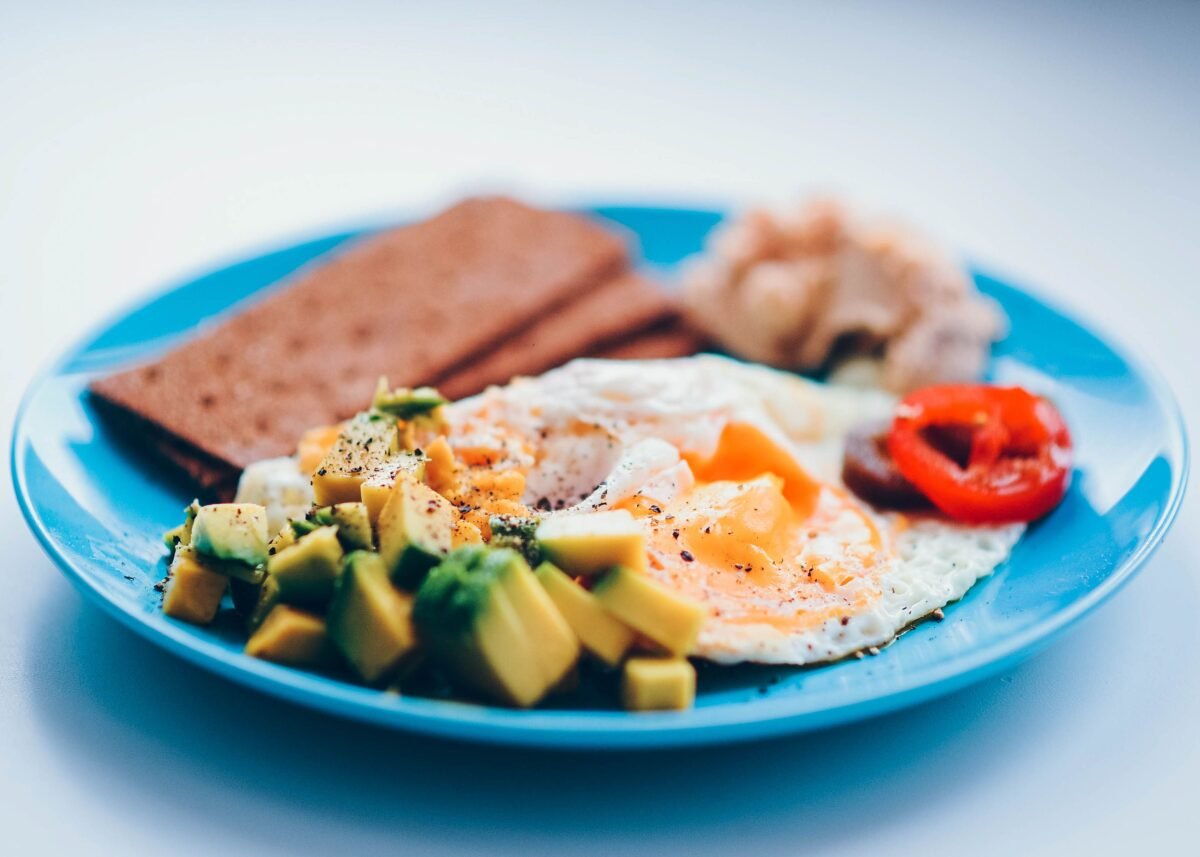
This plan is built around roughly 1,600 calories and 105 to 120 g of protein a day, high protein diet plan which suits many smaller or moderately active adults aiming for fat loss. Values are approximate and will vary by brand and portion. Cook in the way you enjoy: grill, bake, air-fry or pan-sear with a small amount of oil.
| Day | Breakfast | Lunch | Snack | Dinner | Protein (approx.) |
|---|---|---|---|---|---|
| 1 | 3-egg veggie omelette + 1 slice whole-grain toast (22 g) | Chicken quinoa bowl: 120 g cooked chicken, 3/4 cup quinoa, veg (40 g) | Greek yogurt 3/4 cup + berries (17 g) | Baked salmon 150 g, roasted veg, small potato (34 g) | ~113 g |
| 2 | Overnight oats with Greek yogurt, chia (25 g) | Lentil-veg soup 1.5 cups + 1/2 cup cottage cheese (32 g) | 2 boiled eggs + apple (13 g) | Chicken stir-fry 120 g + brown rice (35 g) | ~105 g |
| 3 | Yogurt parfait with nuts and fruit (25 g) | Tuna salad wrap, whole-wheat (35 g) | Roasted chickpeas 1/2 cup + string cheese (14 g) | Lean beef and bean chili (38 g) | ~112 g |
| 4 | 2 scrambled eggs + 1/2 cup cottage cheese (25 g) | Leftover chili (35 g) | Greek yogurt with cinnamon (15 g) | Baked white fish 170 g, lentils, greens (40 g) | ~115 g |
| 5 | Cottage cheese toast, tomato, 2 boiled eggs (25 g) | Chicken and chickpea salad (38 g) | 1 cup milk + 1 oz almonds (14 g) | Shrimp stir-fry 150 g with rice and veg (33 g) | ~110 g |
| 6 | Overnight oats with protein powder or yogurt (25 g) | Turkey burger in lettuce wrap + bean salad (38 g) | Greek yogurt (17 g) | Skinless chicken thigh 130 g, quinoa, roast veg (38 g) | ~118 g |
| 7 | Breakfast burrito: 2 eggs, black beans, salsa (24 g) | Free choice: leftovers or favourite protein plus veg (35 g) | Cottage cheese + fruit (14 g) | Salmon or tofu, greens, rice (35 g) | ~108 g |
The 2,000 Calorie Version
If you are bigger, taller, more active, or building muscle, scale the same menu up instead of starting again. Add these to reach roughly 140 to 155 g of protein:
- Increase each lunch and dinner protein portion by about 40 to 50 g cooked weight (+10 to 12 g protein each).
- Add a second snack: a protein shake, 1 cup Greek yogurt, or 2 eggs with fruit (+15 to 25 g).
- Add one extra serving of whole grains or potatoes at lunch and dinner for energy.
Snacks and Protein Boosters
Keep these on hand for gaps in the day: high protein diet plan Greek yogurt, cottage cheese, boiled eggs, roasted chickpeas, edamame, jerky (watch the sodium), tuna pouches, string cheese, a glass of milk, nuts, and lentil or bean dips with vegetables.
Vegetarian and Vegan High Protein Diet Plan
Most plans treat plant-based eating as a few swaps. A full week is entirely possible, and the numbers still work.
Vegetarian (eggs and dairy included):
- Breakfast: Greek yogurt with oats and seeds, or paneer bhurji with whole-wheat roti (25 to 30 g).
- Lunch: lentil dal, 1 cup cooked, with a side of cottage cheese or raita and rice (28 to 35 g).
- Snack: roasted chana, milk, or a boiled egg (10 to 15 g).
- Dinner: tofu or paneer curry with vegetables and a small portion of grain (30 to 38 g).
Vegan:
- Breakfast: tofu scramble with spinach and toast, or soy yogurt with nuts (20 to 28 g).
- Lunch: chickpea and quinoa bowl with tahini (25 to 30 g).
- Snack: edamame, hummus with vegetables, or a pea or soy protein shake (10 to 25 g).
- Dinner: lentil and tempeh stir-fry, or black bean and brown rice bowl with extra beans (28 to 35 g).
Plant proteins are slightly less digestible and lower in some amino acids, so aim for the upper end of your range, eat a mix of legumes, grains, soy and seeds across the day, high protein diet plan and consider a fortified source of vitamin B12 if fully vegan. You do not need to combine them in the same meal.
Swaps for South Asian and Middle Eastern Kitchens
Many high protein guides assume Western ingredients. Here are easy local equivalents:
- Dal (masoor, moong, chana, mash): 1 cooked cup gives about 15 to 18 g.
- Paneer: about 18 to 20 g per 100 g, but higher in fat.
- Eggs and chicken karahi or tikka (grilled, not fried): reliable lean options.
- Hung curd or Greek yogurt in place of cream-based gravies.
- Chana chaat, hummus, falafel (baked), foul medames, labneh: strong protein snacks and sides.
- Roti or brown rice in controlled portions beside the protein, not instead of it.
Budget High Protein Diet Plan
A high protein diet does not require expensive steak and powders. Build your week around the cheapest sources per gram of protein:
- Dried lentils, beans and chickpeas. The lowest cost per gram, and high in fibre.
- Eggs. Affordable, versatile, about 6 g each.
- Chicken thighs and whole chicken instead of breast, and canned tuna or sardines instead of fresh fish.
- Milk, plain yogurt and cottage cheese in larger tubs.
- Tofu and soy chunks (soya chunks), which are very cheap for the protein they supply.
- Frozen vegetables and seasonal produce for the rest of the plate.
- Oats, rice and potatoes as filling, low-cost bases.
Cooking big batches of dal, high protein diet plan chili or a chicken-and-bean dish, and using the leftovers for two meals, lowers the cost further. Whey and plant protein powders are optional. Use one only if it helps you reach your target and you like it.
High Protein Foods List
| Food | Typical serving | Protein (approx.) |
|---|---|---|
| Chicken breast, cooked | 3 oz / 85 g | 26 g |
| Salmon, cooked | 3 oz / 85 g | 22 g |
| Canned tuna | 1 can (about 140 g drained) | 25 to 30 g |
| Lean beef, cooked | 3 oz / 85 g | 22 to 25 g |
| Eggs | 1 large | 6 g |
| Greek yogurt, plain | 3/4 cup (170 g) | 15 to 17 g |
| Cottage cheese | 1/2 cup | 12 to 14 g |
| Paneer | 100 g | 18 to 20 g |
| Tofu, firm | 150 g | about 15 g |
| Tempeh | 3 oz / 85 g | 16 to 17 g |
| Lentils, cooked | 1 cup | 18 g |
| Chickpeas, cooked | 1 cup | 15 g |
| Edamame, shelled | 1 cup | 18 g |
| Milk | 1 cup | 8 g |
| Quinoa, cooked | 1 cup | 8 g |
| Peanut butter | 2 tbsp | 7 g |
| Almonds | 1 oz / 28 g | 6 g |
| Whey or plant protein powder | 1 scoop | 20 to 25 g |
Values vary by brand and cooking method. Check the label for packaged foods.
Grocery List and Meal Prep Tips
Weekly grocery list (serves one person, 1,600 calorie plan)
Proteins: 12 eggs (or 18), 500 g chicken breast or thighs, 300 g salmon or fish fillets, 200 g shrimp, 1 can or pouch of tuna, 300 g lean ground beef or turkey, 1 block tofu or 200 g paneer. high protein diet plan Dairy and alternatives: 1 large tub Greek yogurt, 1 tub cottage cheese, milk or soy milk, string cheese. Legumes: dried or canned lentils, chickpeas, black beans or kidney beans. Grains and starches: oats, quinoa, brown rice, whole-grain bread or wraps, potatoes. Fruit and vegetables: berries, apples, bananas, spinach, tomatoes, peppers, broccoli, onions, garlic, salad greens. Extras: almonds, chia seeds, peanut butter, olive oil, spices, salsa, optional protein powder.
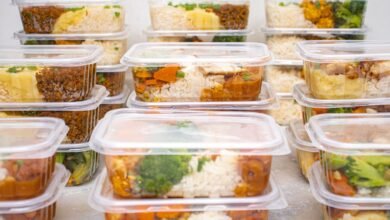
Meal prep in about 90 minutes
- Cook a big pot of lentils or beans and a pot of quinoa or rice.
- Bake all your chicken and fish on trays at the same time.
- Boil 8 to 10 eggs.
- Prepare chili or dal in bulk. Freeze half.
- Wash and chop vegetables and portion yogurt and oats into jars.
- Store cooked chicken and fish for 3 to 4 days in the fridge, and freeze the rest.
How to Combine Protein With Fibre and Strength Training
Protein alone can leave you constipated and short on energy. Pair it with fibre: aim for around 25 to 35 g a day from vegetables, fruit, legumes, oats and whole grains. Add water too, high protein diet plan since fibre and protein both work better with enough fluid.
If your goal includes muscle, train each major muscle group two to three times per week. Even simple full-body sessions with squats, push-ups, rows and carries are enough to start. Take about 25 to 40 g of protein within a few hours of training, but do not worry about a strict “anabolic window.” Your total daily intake matters far more.
Is a High Protein Diet Safe?
For most healthy adults with normal kidney function, protein intakes in the range used in this plan appear safe in the short to medium term. Safety depends on who you are, so be honest about your situation.
- Kidney disease: Higher protein can add workload to damaged kidneys. If you have chronic kidney disease or are at high risk, ask your nephrologist or dietitian for a personal limit before changing anything. People with healthy kidneys are not shown to develop kidney disease from higher protein in good studies, but the long-term evidence is still limited.
- Kidney stones: Very high intakes of animal protein can raise stone risk in some people. Drink plenty of water, and ask your doctor if you have had stones.
- Diabetes and medication: If you take insulin or other glucose-lowering drugs, changing your food can change your dose needs. Talk to your care team first.
- GLP-1 medicines: These reduce appetite, and people often undereat protein and lose muscle. A dietitian can help you prioritise protein in small, frequent meals.
- Pregnancy and breastfeeding: Needs are higher but specific. Follow your obstetrician’s or dietitian’s advice.
- Older adults: Often need more protein, but should keep an eye on kidney function and hydration.
- Children and teens: Should not follow diet plans meant for adults without medical guidance.
- History of eating disorders: Rigid macro tracking can be harmful. Speak to a professional before using any structured plan.
- Liver disease: Needs individual advice.
Also, avoid very low calorie targets. Dropping below about 1,200 calories a day without medical supervision risks nutrient shortfalls, muscle loss and rebound weight gain. This plan is not a crash diet.
What Results Can You Realistically Expect?
A moderate calorie deficit with high protein and regular activity typically leads to about 0.5 to 1 kg (1 to 2 lb) of fat loss per week for many people, with faster drops in the first week or two from water changes. Progress is not a straight line. Plateaus are normal, and the scale can hide muscle gains, high protein diet plan so also track waist measurement, photos, strength, and how clothes fit. If your weight has not changed in three to four weeks, reduce portions slightly, add 2,000 steps a day, or check how accurately you are logging food.
Common Mistakes and How to Avoid Them
- Believing more is always better. Past about 2 g/kg, you pay more for little extra benefit.
- Eating protein at dinner only. Spread it across the day.
- Cutting carbs and fibre to the bone. This makes the diet hard to stick to and can upset digestion.
- Relying on shakes and bars. They are convenient but lack the fibre and nutrients of whole foods, and some are high in sugar.
- Ignoring calories. Protein supports fat loss only inside a calorie deficit.
- Skipping strength training. Without it, much of the muscle benefit is lost.
- Choosing processed meats daily. Sausages, bacon and deli meat bring excess sodium and saturated fat.
- Forgetting water. Aim for pale-yellow urine, unless a doctor has restricted fluids.
- Following the plan perfectly for three days, then quitting. Aim for about 80 percent consistency, not perfection.
When to Talk to a Doctor or Dietitian
See a professional before you start, or soon after, if you have any condition in the safety section above, take regular medication, are over 65 and losing weight unintentionally, high protein diet plan or notice symptoms such as swelling, foamy urine, persistent nausea, severe fatigue or unusual back pain. A registered dietitian can turn this general plan into one that fits your labs, budget, culture and schedule.
FAQs About High Protein Diet Plans
What is a high protein diet plan?
It is a structured way of eating that raises your daily protein, usually to 1.2 to 2.0 g per kg of body weight, with protein included at every meal. It is used for fat loss, muscle building and healthy ageing.
How much protein should I eat per day?
Multiply your weight in kg by 1.2 to 1.6 for fat loss, or 1.4 to 2.0 for muscle building. A 70 kg person aiming for fat loss would target about 84 to 112 g.
Can a high protein diet help me lose weight?
Yes, mainly because it increases fullness and helps preserve muscle while you eat fewer calories. You still need a calorie deficit.
How can I get 100 grams of protein a day?
Eat about 25 g at four eating times. For example: 3 eggs and yogurt (about 30 g) at breakfast, 120 g chicken with lentils (about 40 g) at lunch, a yogurt or cottage cheese snack (15 g), and fish or tofu (about 30 g) at dinner.
Is a high protein diet safe for your kidneys?
For people with healthy kidneys, studies have not shown that moderately high protein harms kidney function. If you have kidney disease, diabetes or high blood pressure, get medical advice first.
What are the best high protein foods?
Chicken, fish, eggs, Greek yogurt, cottage cheese, lentils, beans, tofu, tempeh and lean meat. See the table above for portions and grams.
final throught
The best high protein diet plan is the one you can follow for months, not days. Calculate your target, spread protein across your meals, build the plate with fibre-rich carbs and vegetables, lift something heavy a few times a week, and adjust slowly. Use the 7-day menu as a template, swap in foods you actually like, and ask a professional if you have a medical condition.