Is Diet Coke bad for you? For most healthy adults, an occasional can is not proven to be harmful, and it is clearly the lesser evil compared with a sugary soda. But it adds no nutrition, and large studies link heavy, daily intake with higher rates of diabetes, weight gain and heart problems. Those studies show associations, not proven cause and effect. Moderation is the sensible middle path.
- Safe at normal amounts? Regulators say yes. The international safety limit for aspartame (the main sweetener) is far above what most people drink.
- Good for you? No. It has no nutritional value, and the World Health Organization advises against using sweeteners as a tool for weight control.
- Better than regular Coke? Usually, if it replaces a sugary drink. Not if it just becomes an extra drink on top of your usual diet.
- Who should be careful? People with phenylketonuria (PKU), anyone sensitive to caffeine, people with reflux, and children (small bodies reach safety limits sooner). Ask your doctor if you are pregnant or have a health condition.
- Best habit: Keep it occasional, and make water your main drink.
Is Diet Coke Bad for You?
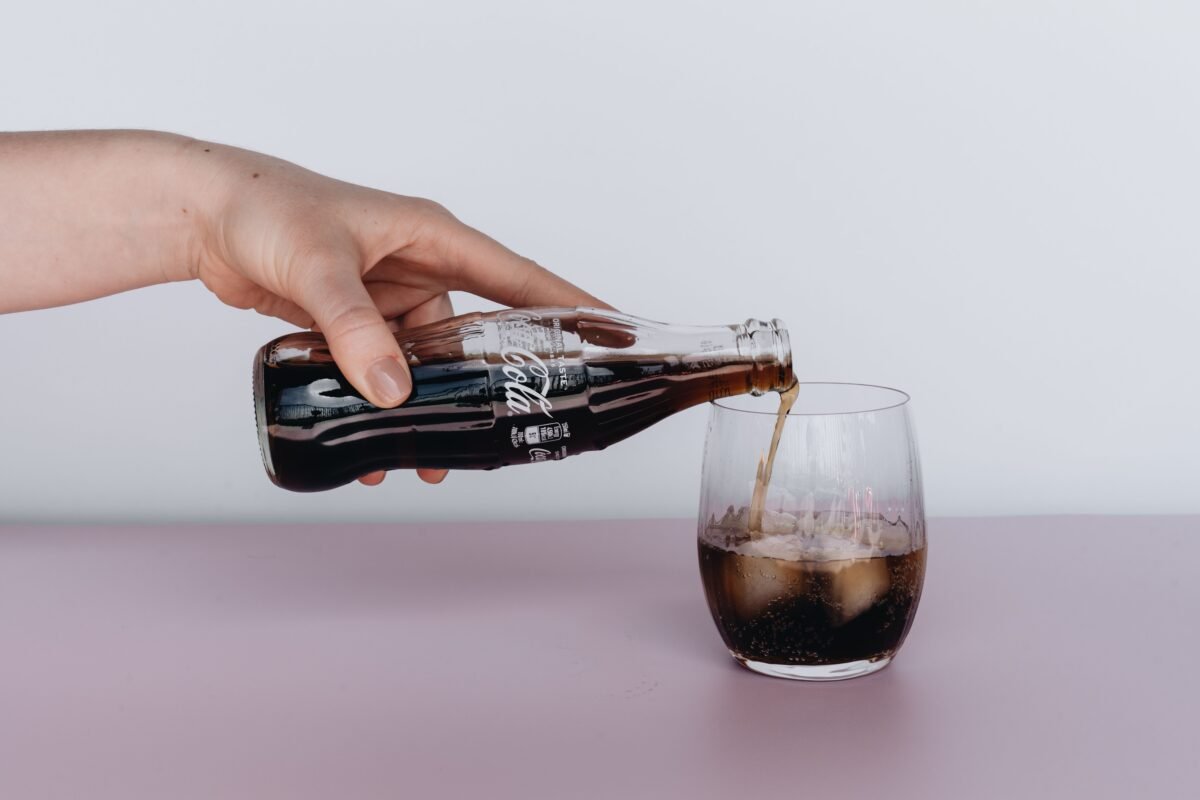
The honest answer has three parts, and most articles only give you one of them.
1. Toxicity and cancer worries: The evidence does not show that moderate Diet Coke is dangerous. is diet coke bad for you Food safety bodies including the Joint FAO/WHO Expert Committee on Food Additives (JECFA) have reaffirmed that aspartame is safe within a daily limit, and that limit is high.
2. Long-term health patterns: Observational research, meaning studies that watch what people drink and what happens to them later, links frequent diet soda intake with type 2 diabetes, is diet coke bad for you high blood pressure and other problems. These studies cannot prove the drink is the cause, because people who drink a lot of diet soda often differ in other ways.
3. Nutrition: Diet Coke has zero calories, is diet coke bad for you zero sugar and zero nutritional value. It does not harm you the way a daily sugary soda can, but it does not help you either.
So “bad” is the wrong frame. A better question is: what is it replacing in your day, and how much are you drinking?
What Is in Diet Coke?

Formulas vary by country, so always check the label on your own can. Based on published labels, a typical Diet Coke contains:
- Carbonated water
- Caramel colour
- Sweeteners: aspartame, and in many markets acesulfame potassium (Ace-K) as well
- Phosphoric acid and, often, citric acid (for tang)
- Flavourings
- A preservative such as potassium benzoate or sodium benzoate
- Caffeine
A 12 fl oz (355 ml) can has 0 calories, 0 g sugar and roughly 40 mg of sodium on the US label.
Sweeteners such as aspartame
Aspartame is about 200 times sweeter than table sugar, so only a tiny amount is needed. The Canadian Coca-Cola website, for example, is diet coke bad for you lists about 131 mg of aspartame and 15 mg of acesulfame potassium per 355 ml can. Other countries and other recipes differ, which matters for the daily limit calculation later in this article.
Aspartame contains phenylalanine, an amino acid. is diet coke bad for you People with the rare inherited condition phenylketonuria (PKU) cannot process it properly and must avoid aspartame. That is why the label carries a warning.
Phosphoric acid and acidity
The acids in cola give it a sharp taste. is diet coke bad for you They are also the reason diet colas can wear down tooth enamel over time, even though there is no sugar to feed decay. We cover this in the health section below.
Caffeine content
US labels list about 46 mg of caffeine per 12 fl oz can of Diet Coke, is diet coke bad for you which is noticeably less than a typical cup of brewed coffee (often roughly 80 to 100 mg). Some countries list lower amounts for their local recipe, for example 34 mg per 355 ml in Canada. Caffeine-free versions exist.
Diet Coke vs Regular Coke vs Coke Zero Sugar
| Diet Coke | Regular Coke | Coke Zero Sugar | |
|---|---|---|---|
| Calories per 12 oz (355 ml) can | 0 | About 140 | 0 |
| Sugar | 0 g | About 39 g | 0 g |
| Sweeteners | Aspartame (plus Ace-K in many markets) | Sugar or glucose-fructose syrup | Aspartame and Ace-K |
| Caffeine per 12 oz (US labels) | About 46 mg | About 34 mg | About 34 mg |
| Nutritional value | None | None | None |
The key difference is sugar. A regular can packs around 10 teaspoons of it, is diet coke bad for you which is why many health organisations focus on cutting sugary drinks first. Diet Coke and Coke Zero Sugar are close cousins; the main differences are the sweetener blend, the flavour and a little caffeine.
Is Aspartame Safe? What WHO, IARC and Regulators Say

In July 2023, two different World Health Organization bodies published findings on aspartame on the same day, which created confusing headlines. They answer two different questions.
IARC (the cancer research agency) asked: Could aspartame possibly cause cancer under any circumstances? It classified aspartame as Group 2B, “possibly carcinogenic to humans”, citing limited evidence, mainly for a type of liver cancer. IARC explained that this kind of classification reflects the strength of evidence that something can cause cancer at all. It does not measure how likely harm is at a normal intake. Group 2B is the same broad category that includes aloe vera extract and some pickled vegetables.
JECFA (the food additive safety committee) asked: How much can a person safely consume? is diet coke bad for you It looked at the same evidence and found no sufficient reason to change the long-standing acceptable daily intake (ADI) of 0 to 40 mg per kg of body weight per day. It concluded the evidence linking aspartame to cancer in humans is not convincing.
Other regulators agree. Health Canada reviewed both reports and decided to take no further action. The US Food and Drug Administration publicly disagreed with IARC’s classification, is diet coke bad for you and its own ADI is somewhat higher, at 50 mg per kg. The European Food Safety Authority reached a similar conclusion in its 2013 re-evaluation.
In plain language: the “possible carcinogen” headline sounds alarming, but safety agencies that look at real-world exposure did not change their position.
How Many Diet Cokes a Day Is Too Many?
This is the question most people want answered, is diet coke bad for you and different websites give wildly different numbers (you may have seen “about 10 cans” in one place and “21 cans” in another). The reason is simple: the number depends on your body weight and on how much aspartame is in your can.
How to calculate it:
- Multiply your weight in kilograms by 40 mg (the JECFA ADI). That gives your daily aspartame ceiling.
- Divide by the amount of aspartame in one can.
The WHO’s own example used cans containing 200 to 300 mg of aspartame and concluded an adult would need more than 9 to 14 cans a day to exceed the limit. A can with less aspartame, is diet coke bad for you such as the roughly 131 mg listed on Canadian labels, lets the same person drink considerably more before reaching the ceiling.
| Body weight | Daily aspartame ceiling (40 mg/kg) | Cans to reach it at 131 mg/can | Cans to reach it at 250 mg/can |
|---|---|---|---|
| 20 kg (small child) | 800 mg | About 6 | About 3 |
| 50 kg | 2,000 mg | About 15 | About 8 |
| 70 kg (average adult) | 2,800 mg | About 21 | About 11 |
| 90 kg | 3,600 mg | About 27 | About 14 |
Illustrative maths only. Real can contents vary by country, so verify yours on the label or the manufacturer’s website.
Important: The ADI is a safety ceiling with a built-in margin, not a recommended intake. Nobody needs to “use up” their allowance. The ADI also applies to aspartame only; is diet coke bad for you it says nothing about the other effects of regular heavy consumption discussed below, such as appetite, teeth or caffeine. For most people, one can a day or less is a sensible limit for non-aspartame reasons, and fewer is better.
Note the first row: because the limit is per kilogram, a small child can reach it with only a few cans. That is one practical reason children are better off with water and milk.
Diet Coke and Your Health: What Studies Show
A quick note on how to read this section. Most of the research below is observational. That means it finds patterns, not causes. Diet soda drinkers can differ from non-drinkers in weight, is diet coke bad for you diet quality, activity and medical history. Some people also switch to diet soda because they are already gaining weight or worried about blood sugar, which can make diet soda look guilty for problems that started earlier (researchers call this reverse causation).
Weight and appetite
The obvious expectation is that swapping sugary soda for a zero-calorie drink helps with weight. Short trials suggest it can help a little. A 2025 review by the UK’s Scientific Advisory Committee on Nutrition, looking at the WHO evidence, noted that sweeteners in place of sugar produced a small reduction in body weight in trials, but the effect was small, evidence certainty was low, and most trials lasted three months or less.
In May 2023 the WHO issued a conditional guideline suggesting that non-sugar sweeteners not be used as a means of weight control or reducing the risk of chronic disease. The WHO says replacing free sugars with sweeteners does not help with weight control in the long term. is diet coke bad for you The recommendation applies to everyone except people who already have diabetes. The WHO also stresses the evidence is not conclusive, which is why it is labelled conditional. Importantly, this guideline is about weight policy, not about toxicity, and it does not change the safe-intake limits above.
Some researchers also suggest that intense sweetness may keep cravings for sweet food alive or lead people to “reward” themselves with extra food. Human evidence for this is mixed. The practical lesson: do not treat a zero-calorie drink as a licence to eat more elsewhere.
Type 2 diabetes and blood sugar
This is where the observational signal is strongest, and also where context matters most.
The widely cited MESA study (a US cohort of 6,814 adults, published in Diabetes Care in 2009) found that people who drank diet soda at least daily had a 67% greater relative risk of developing type 2 diabetes than non-drinkers, after adjusting for factors such as age, activity and smoking. The authors themselves cautioned that observational data cannot establish causality.
What does 67% greater actually mean? Relative risk can sound scarier than the real-world difference. In that same study’s tables, roughly 11% of daily diet soda drinkers developed diabetes during follow-up, compared with roughly 7.5% of people who rarely or never drank it (crude, unadjusted figures calculated from the paper’s case counts). is diet coke bad for you That is a real difference, but it is a few percentage points, not a doubling of everyone’s fate, and it still cannot tell us the soda was the cause.
Newer work points in a similar direction. A long-running US study (CARDIA) presented at a 2025 nutrition conference reported that people who drank the most artificially sweetened drinks had a markedly higher diabetes risk than those who drank the least. is diet coke bad for youTreat conference findings as preliminary until they are fully peer reviewed, and remember they carry the same observational limits.
If you already have diabetes or prediabetes, talk to your clinician. Diet drinks are often used as a sugar-free option, and the WHO’s weight-control guideline specifically excludes people with existing diabetes.
Heart, blood pressure and stroke
Several cohort studies connect frequent artificially sweetened drink intake with higher blood pressure, heart rhythm problems and stroke. is diet coke bad for you For example, a 2024 analysis of UK Biobank data published by the American Heart Association found a higher risk of atrial fibrillation (an irregular heartbeat) among people who drank at least about 67 ounces of artificially sweetened drinks per week, roughly one 12-ounce can six days a week.
Again, these are associations. Higher-risk people may drink more diet drinks, and other lifestyle factors are hard to remove completely. But the pattern is consistent enough that cardiologists generally suggest not making diet soda a daily staple.
Kidneys
Some observational studies associate high diet soda intake with a higher risk of chronic kidney disease. One suggested explanation is the phosphorus and acid load in dark colas; is diet coke bad for you another is that people with poor diets or other health risks drink more of it. The evidence is not strong enough to say diet cola damages healthy kidneys. If you have kidney disease, ask your care team about colas.
Teeth and bones
This is one of the more straightforward concerns. Diet colas are acidic, and repeated acid exposure softens enamel. The risk rises when you sip slowly over hours rather than finishing a drink in one sitting.
- Drink it with a meal rather than all day.
- Use a straw to reduce contact with teeth.
- Rinse your mouth with plain water afterwards.
- Wait about 30 minutes before brushing, since brushing softened enamel can wear it.
Some studies in women link cola intake with lower bone density, is diet coke bad for you possibly through caffeine and phosphorus effects on calcium handling. The evidence is mixed, but another reason cola should not replace milk or other calcium-rich drinks, especially for teenagers.
Gut health
Laboratory and small human studies suggest some sweeteners may change gut bacteria, is diet coke bad for you and that responses can differ a lot from person to person. We do not yet know whether this matters for health at normal intakes, so this remains an open research question rather than proof of harm.
Pregnancy and children
A few large observational studies, including Danish and Norwegian cohorts, found a modest association between artificially sweetened drinks in pregnancy and preterm delivery, is diet coke bad for you while at least one English study did not. None proves cause. Regulators generally treat the ADI as applying to the general population, except people with PKU, but some countries print label advice recommending that children and pregnant or breastfeeding women avoid certain products. If you are pregnant, ask your doctor or midwife, and consider keeping intake low.
For children, the main concerns are the lower safety ceiling for small bodies, the caffeine, and the fact that drinks like this displace water and milk.
Observational vs Experimental Studies: Why the Results Conflict
If you feel whiplash from headlines saying “diet soda causes diabetes!” one week and “diet soda is perfectly safe!” the next, here is why:
- Observational studies (cohorts) track thousands of people over years. They are good at spotting patterns, but they cannot rule out hidden factors. They are where most of the worrying signals come from.
- Randomised trials assign people to diet drinks or something else. They can show cause, but they are usually short and small, so they cannot detect slow, long-term effects. They tend to show small benefits for weight when diet drinks replace sugary ones.
- Reverse causation: people already at risk may choose diet drinks.
- Funding bias: reviews have noted that industry-funded studies tend to report more favourable outcomes, so who paid for a study is worth checking.
- Relative vs absolute risk: “67% higher risk” and “3 to 4 percentage points higher” can describe the same data. Always look for the absolute numbers.
A fair summary of the science today: the evidence does not show Diet Coke is toxic at normal intakes, and it does not show that it is a health drink. Researchers are still working out what, if anything, is causal.
Who Should Limit or Avoid Diet Coke?
- People with phenylketonuria (PKU): avoid aspartame entirely.
- Children and teenagers: keep it rare; water and milk are better, and small bodies reach safety ceilings sooner.
- Pregnant or breastfeeding women: discuss with your doctor; keep intake low.
- People sensitive to caffeine, or with anxiety, palpitations or sleep problems: choose caffeine-free versions or skip it, especially in the afternoon and evening.
- People with acid reflux: carbonation and acidity can aggravate symptoms in some people. If cola triggers yours, avoid it.
- People with kidney disease or on a restricted diet: ask your care team before drinking dark colas regularly.
- People with diabetes or prediabetes: diet drinks may be a better choice than sugary ones, but speak with your clinician about overall patterns.
- Anyone who gets headaches or digestive upset after diet drinks: a trial break is reasonable.
Healthier Alternatives to Diet Coke
If you are trying to cut back, the goal is not “find a perfect replacement” but to move toward drinks that give you something.
- Plain or sparkling water: add lemon, lime, cucumber or mint if you miss flavour.
- Unsweetened tea or coffee (hot or iced): gives caffeine without the cola acids.
- Milk or unsweetened plant milk with added calcium: useful for children and teens.
- Fruit-infused water: sweetness without sweeteners.
- Kefir or lower-sugar kombucha: check the sugar on the label.
- A splash of 100% juice in sparkling water: adds flavour with a small amount of sugar.
Practical Tips to Cut Down (Without Misery)
- Do not quit overnight if it makes you miserable. Aim for one fewer can each week.
- Keep it as a treat, not a hydration strategy. Make water your default.
- Never swap meals or snacks for diet soda, and avoid using it as a reason to eat more elsewhere.
- Watch the timing. Caffeine late in the day can wreck sleep.
- Try the “one with a meal” rule. This is easier on your teeth than sipping all day.
- Find your trigger. If you reach for one at 3 pm for energy, try a walk, a snack with protein or a glass of cold water first.
- Check the label, since sweeteners and caffeine differ by country and product.
Frequently Asked Questions
Is it okay to drink one Diet Coke a day?
For most healthy adults, one can a day is well within regulatory safety limits. Some observational studies link daily intake with higher disease risk, though they cannot prove cause. If you drink one daily and want to be cautious, cutting to a few a week is a low-effort change.
Does Diet Coke cause cancer?
The evidence does not show that it does. IARC classified aspartame as “possibly carcinogenic” based on limited evidence, but JECFA reviewed the same evidence and kept the safe daily limit unchanged. Regulators in the US, Canada and Europe have not banned it.
Does Diet Coke make you gain weight?
Not directly, since it has no calories. Studies are mixed: trials show small benefits when it replaces sugary drinks, while some observational studies link diet drinks with weight gain, which may reflect other habits. The WHO advises against relying on sweeteners for long-term weight control.
Is Diet Coke better than regular Coke?
If you would otherwise drink regular Coke, usually yes, because you avoid around 39 g of sugar per 12 oz can. If it is simply added on top of your normal diet, the benefit disappears.
Does Diet Coke spike blood sugar?
It has no sugar and does not raise blood glucose directly, and trials have not generally shown acute spikes. Some research explores indirect effects on metabolism, but this is unresolved.
Is Diet Coke bad for your kidneys?
There is no solid proof it harms healthy kidneys, though some studies link high intake with kidney disease, probably in part due to other risk factors. If you have kidney problems, ask your doctor.
Can kids or pregnant women drink Diet Coke?
It is best for children to avoid regular intake because of their lower safety ceiling and the caffeine. Pregnant women should talk to their doctor or midwife and keep intake low.
Is Diet Coke bad for your teeth?
It does not cause cavities the way sugar does, but its acids can erode enamel, especially if you sip it slowly over hours.
Does Diet Coke dehydrate you?
The caffeine in a can is a small amount, and the fluid itself counts toward your daily intake. It is not dehydrating in normal amounts, but water is still the better main drink.
What is the difference between Diet Coke and Coke Zero?
Both have zero sugar and zero calories. Diet Coke has a distinct flavour and a bit more caffeine, while Coke Zero Sugar uses a blend of aspartame and acesulfame potassium and tastes closer to regular Coke.
What can I drink instead of Diet Coke?
Sparkling water with fruit, unsweetened iced tea, plain water or a small amount of juice in soda water are easy swaps.
Final Throught
Diet Coke is neither poison nor health food. At normal intakes, the evidence does not show it is toxic, and the main safety limit for aspartame is high. But it provides no nutrition, and heavy daily use is linked, in observational studies, to higher risks of diabetes, heart problems and other issues that researchers are still untangling.