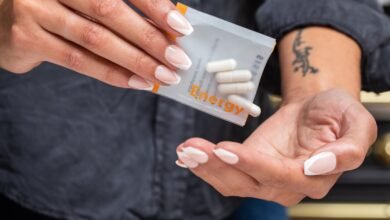
Best Probiotics for Gut Health: An Evidence-Based Guide to Choosing the Right One


Searching for the best probiotics for gut health can feel like walking into a supermarket where every bottle promises a happier gut. The truth is more useful than the marketing: the best probiotic is not a single brand. It is the right strain, at a dose backed by human trials, from a manufacturer that proves what is inside, taken for a clear reason. This guide shows you how to find it, which strains are most studied for which goals, which foods can help, and when a probiotic is simply not worth your money.
The Quick Answer
- For most healthy people, the best thing for gut health is a fiber-rich diet with a variety of plants. Probiotic supplements are optional, and the evidence for them in healthy adults is limited.
- If you do choose a supplement, pick one with a clearly named strain (genus, species and strain code), a dose tested in human studies, and independent quality testing.
- Match the strain to your goal. A probiotic that helps with one problem may do nothing for another.
- Give it a fair trial of a few weeks, track your symptoms, and stop if nothing improves.
- Talk to a clinician first if you have a weakened immune system, take immunosuppressant medicines, have a serious illness, are pregnant, or are choosing for a baby or child.
In this guide: do you need a probiotic, probiotics vs prebiotics, best probiotics for gut health best strains by goal, how to choose a supplement, red flags, best probiotic foods, best prebiotic foods, a simple trial plan, who should be careful, side effects, common mistakes, when to see a doctor, a checklist and an FAQ.
Do You Actually Need a Probiotic for Gut Health?

Most competitor articles skip this question, but it is the most important one. Probiotics are defined by the World Health Organization as live microorganisms that, in adequate amounts, give a health benefit to the person taking them. Two parts of that definition matter: the microbes must be alive, and the amount must be adequate.
Harvard’s Nutrition Source notes that good-quality evidence is still limited and conflicting about which strains help which conditions, what dose works, whether single or multi-strain products are better, best probiotics for gut health and how long to take them. It also points out that much probiotic research is funded by the industry, which can skew results. The American Gastroenterological Association reviewed the evidence in its 2020 guidelines and found that probiotics may help in only a few conditions.
That does not mean probiotics are useless. It means they are a targeted tool, not a daily must-have. Cleveland Clinic says clinicians may suggest them when the gut microbiome has been disrupted, for example after a course of antibiotics, and that some people take a daily supplement if they are prone to gut problems and notice it helps.
A reasonable rule: if you are healthy and eating plenty of fiber, best probiotics for gut health you can focus on food first. If you have a specific, recurring gut issue, a short, well-chosen trial may be worth discussing with a clinician.
Probiotics, Prebiotics, Synbiotics and Postbiotics: What Is the Difference?

These four terms are often mixed up, and supplement labels use them loosely.
- Probiotics are live microbes, such as Lactobacillus-type bacteria, Bifidobacterium and the yeast Saccharomyces boulardii, that can benefit the host when taken in adequate amounts.
- Prebiotics are fibers that your gut bacteria ferment. They act as food for the microbes already living in your gut. Onions, garlic, leeks, bananas and chicory root are common examples.
- Synbiotics combine probiotics and prebiotics in one product.
- Postbiotics are substances produced when gut bacteria ferment fiber, such as short-chain fatty acids.
Harvard notes that synbiotic, best probiotics for gut health prebiotic and postbiotic supplements currently have little good-quality evidence behind them. In other words, a product labeled “synbiotic” is not automatically better.
The Best Probiotic Strains for Gut Health, by Goal

Here is where most guides fall short: they list brands but not strains. A probiotic is identified by its genus, species and strain code. For example, best probiotics for gut health a strain written as Lacticaseibacillus rhamnosus GG tells you the genus, the species and the specific strain (GG). Two products can both contain “Lactobacillus” and behave very differently, because benefits are strain-specific.
The table below shows the goals with the most research, the strains most often studied, and an honest evidence note. It is a starting point for a conversation with your clinician, not a prescription.
| Goal | Strains most often studied | Evidence note |
|---|---|---|
| Preventing diarrhea linked to antibiotics | Saccharomyces boulardii, Lacticaseibacillus rhamnosus GG | One of the most researched uses, but overall evidence quality is still described as low to moderate |
| Infectious diarrhea in children | Some Lactobacillus and S. boulardii strains | Studied in children, results depend on strain and dose |
| Irritable bowel syndrome (IBS) symptoms | Varies widely by study | Mixed, low-quality evidence. No single strain is clearly best |
| Constipation | Certain Bifidobacterium strains | Some trials show modest benefit, strain-specific |
| General gut health in healthy adults | No strain clearly proven | Diet and fiber matter more |
| Ulcerative colitis, Crohn’s disease | Only in clinical-trial settings | Not a self-treatment. Medical supervision needed |
Best probiotics for diarrhea after antibiotics
Antibiotics can reduce both harmful and helpful gut bacteria, which is why diarrhea is common during or after a course. Probiotics are one of the most studied ways to reduce that risk, best probiotics for gut health and Harvard lists antibiotic-related diarrhea among the conditions with some supporting evidence. If you are prescribed antibiotics, ask your clinician or pharmacist before starting a probiotic, because timing and strain matter.
Best probiotics for bloating and gas
This is the most searched goal and the least clear one. Cleveland Clinic notes that probiotics can sometimes cause gas and bloating at first, because some produce gas as a by-product. best probiotics for gut health No single strain is proven to cure bloating for everyone. If bloating is frequent, see a doctor to rule out causes such as food intolerance, IBS or another condition, rather than trying product after product.
Best probiotics for constipation and IBS
Harvard lists both constipation and IBS among conditions with low-quality evidence for probiotics. If you try one, choose a single product, keep a symptom diary, best probiotics for gut health and judge it by your own results. A multi-strain product has not been shown to be automatically more effective than a single-strain product.
What the evidence says about “best overall” probiotics
The World Gastroenterology Organisation advises that, best probiotics for gut health if probiotics are recommended, the strains, doses and duration should match those shown to work in human trials. That is the honest answer to “which is best”: the one whose exact strain and dose were tested for your exact goal.
How to Choose the Best Probiotic Supplement: A 7-Point Checklist
Use this checklist when comparing any product. If a label fails several points, move on.
1. The strain is fully named
Look for genus, species and strain code, not just “Lactobacillus blend.” Without a strain code you cannot check whether it was ever studied.
2. The strain matches your goal
Search the exact strain name together with your goal. Prefer strains with human trials, not just lab or animal studies.
3. The dose is listed through the end of shelf life
Probiotics are living organisms and can die in storage. best probiotics for gut health Harvard notes that responsible manufacturers list the dose expected at the use-by date, not only at the time of manufacture. A label that states the count “at time of manufacture” may hide a much lower count when you take it.
4. CFU is a guide, not a score
CFU means colony-forming units, the number of viable microbes per dose. best probiotics for gut health A bigger number is not automatically better. What matters is whether that dose was used in trials for that strain.
5. There is independent quality testing
Harvard points out that supplements can contain less than the stated amount or even different strains than listed. Cleveland Clinic adds that probiotics are not regulated like medicines, best probiotics for gut health so manufacturers are not required to prove quality. Look for third-party testing, such as certification programs run by independent organizations, and a company that publishes test results.
6. Storage and survival are explained
Check whether the product needs refrigeration and how it is packaged to protect live cultures. Follow the storage instructions exactly.
7. The rest of the label is clean
Check for allergens (dairy, soy, gluten), added sugar, and unnecessary extras. If you are vegan, check capsule and ingredient sources.
Probiotic Red Flags to Avoid
- Claims to “cure” or “detox” anything
- No strain codes, only a vague blend name
- Dose listed only at time of manufacture
- A huge CFU number used as the main selling point
- No independent testing and no company contact details
- Probiotic added to candy, chips, cookies or sugary drinks (Harvard warns that adding probiotics does not make an ultra-processed food healthy)
- “Prebiotic sodas” sold as a health drink. Harvard notes they contain less sugar than regular soda (about 4 to 5 grams versus around 40 grams in a cola per 12 oz), but the benefit for gut health is unproven
Best Probiotic Foods for Gut Health
Supplements are not the only route. Fermented foods can add live microbes, best probiotics for gut health usually in lower and less consistent amounts than a supplement. They also bring other nutrients and may support a broader range of gut microbes, according to Cleveland Clinic.
| Food | Why it can help | Buying tip |
|---|---|---|
| Yogurt | Fermented dairy, may contain live cultures | Choose plain, with “live and active cultures” on the label |
| Kefir | Fermented milk drink with a wide mix of microbes | Check sugar content on flavored types |
| Sauerkraut and kimchi | Fermented vegetables | Harvard notes commercially prepared versions often contain no live probiotics unless added back, so look for refrigerated, unpasteurized products |
| Tempeh | Fermented soy | Cook gently, as heat reduces live cultures |
| Miso | Fermented soybean paste | Stir in after cooking rather than boiling it |
| Kombucha | Fermented tea | Watch added sugar |
Important: heating, baking and pasteurization reduce or kill probiotics. Sourdough bread, for example, does not contain live probiotics after baking. Look for “live and active cultures” on labels, as Cleveland Clinic advises.
Best Prebiotic Foods to Feed Your Gut Bacteria
Harvard recommends building a long-term eating pattern rich in many types of fiber, best probiotics for gut health because fiber acts as food for the beneficial microbes already in your gut. Good everyday choices include:
- Onions, garlic and leeks
- Bananas
- Whole grains and wheat
- Beans, lentils and other legumes
- Nuts and seeds
- A wide range of fruits and vegetables
Practical tip: if you are not used to a lot of fiber, increase it slowly and drink water. A sudden jump can cause gas and bloating, which people often mistake for a bad probiotic.
A Simple 4-Week Plan to Try a Probiotic Safely
This is a general approach, not medical advice. Adjust it with your clinician.
- Decide your goal. Write down the exact symptom you want to improve, for example “loose stools after antibiotics” or “infrequent bowel movements.”
- Check if it is safe for you. See the “who should be careful” section below.
- Choose one product. Use the 7-point checklist. Do not start several products at once, or you will not know what is working.
- Follow the label dose and take it consistently. Cleveland Clinic notes you need to take probiotics regularly and at the recommended dose to judge whether they work. Some work better with food and others on an empty stomach, so follow the label.
- Track symptoms daily. A simple note on stool pattern, bloating and comfort is enough.
- Expect a short adjustment. Gas or bloating can appear at first and usually settles within a few days, according to Cleveland Clinic.
- Review at around 4 weeks. If you see a clear benefit, discuss whether to continue. If not, stop. Not every probiotic works for every person.
Who Should Be Careful or Avoid Probiotic Supplements
Probiotics appear safe for most healthy people, but Cleveland Clinic and Harvard both flag higher-risk groups. Speak to a doctor before using probiotics if you:
- Have a weakened immune system
- Take immunosuppressant medicines
- Have a critical or severe illness
- Are pregnant or breastfeeding
- Are choosing a product for a baby, especially a premature infant, or for a young child
The risk is rare but real: a poorly tested product can contain an unwanted microbe, which a healthy immune system usually clears but a weakened one may not.
Possible Side Effects
- Gas and bloating, especially in the first days
- Temporary loose stools, because some probiotics produce short-chain fatty acids
- Upset stomach
These usually settle quickly. If symptoms are severe, last more than a few days, or you feel unwell with fever, stop the product and contact a healthcare professional.
8 Common Probiotic Mistakes
- Choosing by CFU alone. Strain and evidence matter more than a big number.
- Buying a “best of the year” brand without checking the strain.
- Expecting one probiotic to fix every gut problem.
- Starting several products together. You cannot tell what helped or hurt.
- Ignoring fiber. Without food for the microbes, benefits are limited.
- Storing supplements badly. Heat and humidity can reduce live counts.
- Assuming all yogurt, kimchi or sourdough contains probiotics. Processing often removes them.
- Using probiotics to avoid a doctor visit. Persistent symptoms deserve proper assessment.
When to See a Doctor Instead
See a healthcare professional promptly rather than trying supplements if you have:
- Blood in your stool or black stools
- Unexplained weight loss
- Persistent diarrhea or vomiting
- Severe or worsening abdominal pain
- Fever together with gut symptoms
- Difficulty swallowing
- Symptoms that wake you at night or keep returning
Printable Checklist: Choosing the Best Probiotic for Gut Health
- I know my specific goal
- I have checked with a clinician if I am in a higher-risk group
- The label shows genus, species and strain code
- That strain has human trials for my goal
- The dose is guaranteed through the expiry date
- The product has independent quality testing
- Storage instructions are clear and I will follow them
- I have checked allergens and added sugar
- I am starting only one product
- I will track symptoms for about 4 weeks
- I am also eating more fiber and fermented foods
Frequently Asked Questions About the Best Probiotics for Gut Health
What is the best probiotic for gut health?
There is no single best probiotic for everyone. The best choice is a product with a fully named strain, a dose tested in human trials for your goal, and independent quality testing. For many healthy people, a fiber-rich diet with fermented foods is the better first step.
Is it safe to take probiotics every day?
For most healthy people, probiotics appear safe, and they have a long history of regular use. People with weakened immune systems or serious illness should only use them under medical advice.
What is the best time of day to take a probiotic?
Follow the label. Cleveland Clinic notes that some probiotics work better with food and others on an empty stomach. Taking it at the same time daily helps consistency.
How long do probiotics take to work?
It varies by person, strain and goal. A practical trial is a few weeks with symptom tracking. If you see no benefit, stopping is reasonable.
Should I take a probiotic with antibiotics?
Probiotics are commonly used to reduce antibiotic-related diarrhea, but timing and strain matter. Ask your clinician or pharmacist, and do not skip or delay your antibiotics.
Final throught: How to Find the Best Probiotic for Your Gut
The best probiotics for gut health are not the ones with the biggest CFU number or the flashiest label. They are the ones with a named strain, human evidence for your specific goal, a dose guaranteed to expiry, and independent testing, taken consistently for a defined trial period. For many healthy people, the best “probiotic” is a diet full of fiber and fermented foods. Use supplements as a targeted tool, involve a clinician if you are in a higher-risk group, and let your symptoms, not the marketing, decide whether to continue.