Best Protein Powder for Muscle Gain: Types, Benefits and How to Choose


best protein powder for muscle gain is one that gives you enough high-quality protein per serving, suits your digestion and diet, is independently tested, and fits your budget enough that you will actually use it. For most people, that means whey protein (concentrate or isolate), with casein, soy, pea, or blended plant proteins as strong alternatives for specific needs. No single powder is magic. What builds muscle is resistance training, enough total protein, enough calories, and consistency, with powder as a convenient way to hit your protein target.
Most guides hand you a list of brands and leave you to guess the rest. This guide teaches you the decision itself: how protein builds muscle, best protein powder for muscle gain how much you need (with calculations for different body weights), how each powder type compares, how to read a label, and how to pick the right one for your goal, budget, and diet.
In this guide:
- What protein powder is
- How protein builds muscle
- How much protein you need (with examples)
- Protein powder types compared
- How to choose: a label-reading checklist
- Best protein powder by goal, diet, and budget
- When to take protein powder
- Protein powder vs whole foods
- Side effects and safety
- Common mistakes
- Sample day of eating
- FAQs
What Is Protein Powder?
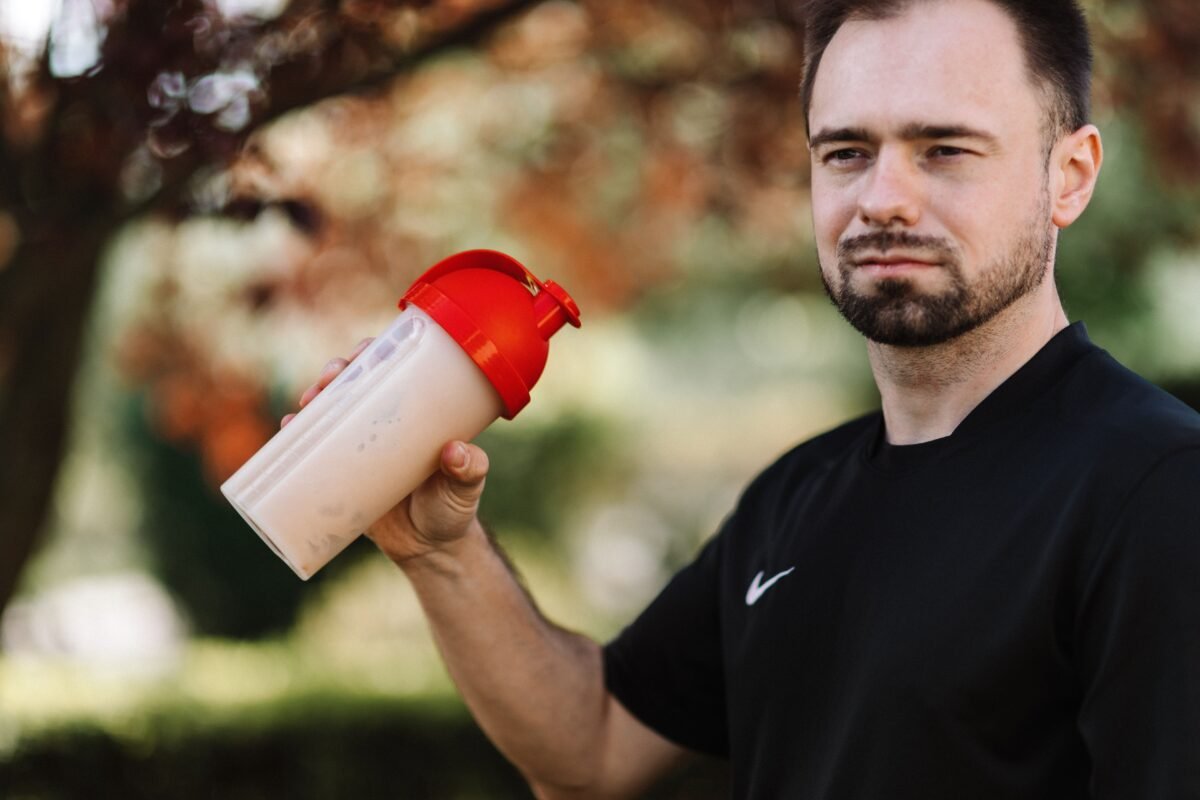
Protein powder is a concentrated protein source made by extracting protein from foods such as milk, eggs, soybeans, peas, or rice, then drying it into a powder. You mix it with water, milk, best protein powder for muscle gain or other liquids, or blend it into smoothies, oats, and baking.
Why people use it
- Convenience. A scoop mixed in a shaker gives roughly 20 to 30 grams of protein in under a minute.
- Hitting targets. Many people struggle to reach their protein goal with meals alone.
- Digestion speed and texture. Liquid protein is easy to consume after training when appetite is low.
- Dietary needs. Plant-based and dairy-free powders help vegans and those with lactose intolerance.
Important: Protein powder is a supplement, not a requirement. You can build muscle with food alone. Powder simply makes it easier.
How Protein Powder Helps Build Muscle

Muscle protein synthesis, explained simply
Your muscles are constantly being broken down and rebuilt. This balance is called muscle protein turnover. When you train with weights, you create small amounts of stress in muscle fibers. During recovery, your body repairs and rebuilds them, and with enough protein and rest, it rebuilds them slightly stronger and larger. The rebuilding process is called muscle protein synthesis (MPS).
Think of it like a building site. Training is the signal to start construction. Protein is the bricks. Calories are the energy that powers the workers. Without enough bricks, the site stalls.
The role of essential amino acids and leucine
Protein is made of amino acids. Nine of them are essential, meaning your body cannot make them, so they must come from food. Of these, leucine acts as a key trigger for muscle protein synthesis.
The International Society of Sports Nutrition (ISSN) notes that a dose of protein should aim to supply roughly 700 to 3,000 mg of leucine and a balanced range of essential amino acids. best protein powder for muscle gain Whey, milk, egg, and soy proteins naturally provide good amounts. Some plant proteins are lower in certain amino acids, which is why blends or slightly larger servings can help.
Training and protein work together
The ISSN position is that resistance exercise and protein intake both stimulate muscle protein synthesis, and the combination is synergistic. best protein powder for muscle gain In plain words: protein without training does little for muscle growth, and training without enough protein limits your results. The powder alone will not build muscle.
How Much Protein Do You Need to Build Muscle?

The numbers
- The standard general recommendation for adults is about 0.8 g of protein per kg of body weight per day to prevent deficiency.
- For people building muscle through resistance training, the ISSN position is 1.4 to 2.0 g per kg of body weight per day, which is sufficient for most exercising individuals.
- Some research suggests higher intakes (2.3 to 3.1 g/kg) may help preserve lean mass in trained people who are cutting calories. This is a specialized situation.
- Per meal, a general guide is about 0.25 g per kg, or an absolute amount of 20 to 40 grams, spread across the day every three to four hours.
How to calculate your daily protein
Formula: Body weight in kg × 1.4 to 2.0 = daily protein range in grams.
(To convert pounds to kg, divide by 2.2.)
| Body weight | Daily protein range (1.4-2.0 g/kg) | Protein per meal (4 meals) |
|---|---|---|
| 55 kg (121 lb) | 77 to 110 g | About 19 to 28 g |
| 65 kg (143 lb) | 91 to 130 g | About 23 to 33 g |
| 75 kg (165 lb) | 105 to 150 g | About 26 to 38 g |
| 85 kg (187 lb) | 119 to 170 g | About 30 to 43 g |
| 95 kg (209 lb) | 133 to 190 g | About 33 to 48 g |
Worked example: You weigh 70 kg and train with weights four days a week.
- 70 × 1.6 = 112 g of protein per day (a middle-of-the-range target).
- Spread across 4 eating occasions, that is about 28 g each.
- If your meals and snacks give you around 85 g, a single scoop of powder providing 25 g brings you to roughly 110 g.
Do not forget calories
Muscle gain also needs enough energy. If you eat too few calories, your body may use protein for energy instead of building muscle. best protein powder for muscle gain Most people aiming to gain muscle benefit from a modest calorie surplus (eating a little more than they burn), along with progressive training. Extreme bulking tends to add more fat than muscle.
Best Types of Protein Powder for Muscle Gain
Here is a clear, unbiased comparison. Percentages are typical ranges and vary by brand, so always check the label.
Comparison table
| Type | Typical protein content | Digestion speed | Best for | Watch out for |
|---|---|---|---|---|
| Whey concentrate | Roughly 70-80% | Fast | General muscle gain, budget-friendly | Contains some lactose and fat |
| Whey isolate | Roughly 90%+ | Fast | Lean gain, lower lactose tolerance | Costs more |
| Hydrolyzed whey | High | Very fast | Quick absorption, sensitive stomachs | Pricey, bitter taste |
| Casein | High | Slow | Before bed, long gaps between meals | Thick texture; dairy-based |
| Egg white protein | High | Medium | Dairy-free (but not egg-free) | Egg allergy |
| Soy protein | High | Medium | Vegans, complete plant protein | Soy allergy; some prefer taste of others |
| Pea protein | Moderate-high | Medium | Dairy-free, vegan | Lower in methionine; check blend |
| Rice protein | Moderate | Medium | Hypoallergenic option | Lower in lysine; best in blends |
| Plant blends (pea + rice, etc.) | Moderate-high | Medium | Vegans wanting a fuller amino profile | Check sugar and additives |
| Mass gainer | Mixed (lots of carbs) | Varies | Hard gainers needing many calories | Very high in sugar and calories |
Whey protein concentrate
Whey is a by-product of cheese making and is one of the most studied proteins for muscle growth. It is digested quickly, has a high leucine content, and is usually tasty and affordable. best protein powder for muscle gain Concentrate is the most common type. It contains a little lactose and fat, which most people tolerate well.
Good for: Most beginners and general muscle gain.
Whey protein isolate
Isolate is filtered further to remove most of the lactose and fat, giving a higher protein percentage per scoop. It often suits people who feel bloated with concentrate, best protein powder for muscle gain although very lactose-sensitive people should still test small amounts.
Good for: Lean gain, mild lactose sensitivity, people who want fewer carbs and fat.
Casein protein
Casein is the other main milk protein. best protein powder for muscle gain It digests slowly, releasing amino acids over several hours. The ISSN notes that 30 to 40 g of casein before sleep can increase overnight muscle protein synthesis. It also thickens into a pudding-like texture.
Good for: Nighttime use or when you go long periods without eating.
Soy protein
Soy is a complete plant protein with a good amino acid profile and is a solid option for vegans. Research shows it can support muscle gain when total protein intake is adequate, best protein powder for muscle gain although whey may have a slight edge per gram in some studies.
Good for: Vegetarians and vegans, and those avoiding dairy. Avoid if allergic to soy.
Pea, rice, and plant blends
Pea protein is rich in some amino acids and lower in others, and rice protein has the opposite pattern. Blending them gives a more balanced profile. Studies suggest that plant proteins can support muscle gain too, especially when you use a slightly larger serving or a blend and meet your total daily needs.
Good for: Vegans and people with dairy intolerance.
Egg white protein
A dairy-free animal option with a good amino acid profile. It is a niche choice and not suitable for egg allergy.
Mass gainers: a special case
Mass gainers are powders with a large amount of carbohydrates added, best protein powder for muscle gain often 50 to 100+ grams per serving. They can help people who struggle to eat enough calories, but most people do better with plain protein powder plus real food. Check sugar content and total calories carefully.
Blended proteins
Some products combine whey, casein, and other proteins to provide both fast and slow release. These can be convenient, but make sure the label shows how much of each protein is included. best protein powder for muscle gain Watch for “proprietary blends” that hide the exact amounts.
How to Choose the Best Protein Powder for Muscle Gain
Use this checklist when comparing any product. It works for every brand, so you are never dependent on a ranking.
1. Protein per serving
Look at grams of protein per scoop, and compare it to the scoop size. best protein powder for muscle gain A good powder typically provides 20 to 30 grams of protein in a serving of about 30 to 40 grams of powder. If the scoop is large but protein is low, you are paying for fillers or carbs.
2. Calculate cost per gram of protein
The cheapest tub is not always the cheapest protein.
Formula: Price ÷ total grams of protein in the tub = cost per gram of protein.
Example: A tub costs $40 and contains 30 servings at 24 g of protein each. Total protein = 720 g. Cost = $40 ÷ 720 = about $0.056 per gram, or about $1.33 for 24 g.
Compare this number across products to find real value.
3. Amino acid profile and complete protein
Choose a protein that provides all nine essential amino acids. best protein powder for muscle gain Whey, casein, egg, and soy are complete. For plant powders, look for blends or labels that list the amino acid profile, especially leucine.
4. Check added sugar and ingredients
- Pick a powder with low added sugar (ideally a few grams or less per serving unless it is a gainer).
- Be cautious of long ingredient lists with many thickeners, flavors, and sweeteners if they bother your stomach.
- Sugar alcohols and some sweeteners can cause gas or bloating for some people.
5. Beware “proprietary blends”
If a label lists a “protein blend” without telling you how much of each protein is included, you cannot tell how much of the cheaper protein you are getting. A transparent label is a good sign.
6. Look for third-party testing
Supplements are not reviewed in the same way as medicines before they are sold, so quality can vary. Independent testing programs check whether a product contains what it says and is free from banned substances and certain contaminants. best protein powder for muscle gain Look for recognized seals such as NSF Certified for Sport, Informed Sport, or USP Verified, where available in your country. This matters especially for competitive athletes.
Some independent lab tests over the years have found contaminants such as heavy metals in certain protein products, including some plant-based ones. This does not mean all products are unsafe, but it is a good reason to choose tested brands and not to overuse powder.
7. Consider allergies and digestion
- Lactose intolerance: Try isolate or a plant-based powder.
- Milk allergy: Avoid all whey and casein products. Choose a plant protein.
- Soy or egg allergy: Avoid those proteins and read cross-contamination warnings.
- Sensitive stomach: Test a small amount first.
8. Taste and mixability
You will use the powder only if you enjoy it. If possible, buy a small bag first. Unflavored powder is flexible for cooking.
Quick label checklist
- [ ] 20-30 g protein per serving
- [ ] Clear protein source (not a hidden blend)
- [ ] Low added sugar
- [ ] Reasonable ingredient list
- [ ] Independent testing seal
- [ ] Allergen information checked
- [ ] Cost per gram of protein calculated
- [ ] Flavor you can actually enjoy
Best Protein Powder by Goal, Diet, and Budget
Instead of ranking brands that change constantly, use this decision guide to find the right type for you.
By goal
| Your goal | Best type to consider | Why |
|---|---|---|
| General muscle gain | Whey concentrate or isolate | Fast, high leucine, well studied |
| Lean muscle with fewer carbs and fat | Whey isolate | Higher protein per scoop |
| Bulking (gaining weight) | Whey plus real food; mass gainer only if needed | Calories matter more than powder choice |
| Overnight recovery | Casein | Slow release |
| Beginner | Whey concentrate or a simple blend | Affordable, easy, effective |
| Post-workout | Whey isolate or hydrolyzed whey | Fast digestion |
By diet
| Diet | Best choice |
|---|---|
| Vegan | Soy, or a pea-and-rice blend |
| Vegetarian | Whey, casein, egg, soy or plant blends |
| Lactose intolerant | Whey isolate (test tolerance), or plant protein |
| Milk allergy | Soy, pea, rice or blends |
| Gluten-free | Check labels for certification |
By budget
- Tight budget: Whey concentrate is often the best value per gram of protein. Or rely more on affordable foods like eggs, lentils, and milk.
- Mid-range: Whey isolate or a quality plant blend with third-party testing.
- Premium: Hydrolyzed or specialty blends. These offer little extra for muscle gain in most people, so they are optional.
If budget is the main issue, remember that eggs, best protein powder for muscle gain chicken, tofu, lentils, canned fish, yogurt, and milk are very cost-effective protein sources.
When Should You Take Protein Powder?
The timing myth
Many people worry about the “anabolic window,” the idea that you must drink protein within 30 minutes after training. The ISSN notes that the best timing is likely a matter of individual tolerance, best protein powder for muscle gain since benefits come from pre- or post-workout intake, and the exercise effect on muscle lasts at least 24 hours, though it likely lessens as time passes. In practice, total daily protein matters more than exact timing.
Practical timing guide
- After a workout: Convenient and sensible, especially if you have not eaten for several hours.
- Before a workout: Fine if you train fasted or have gone a long time without food.
- Spread through the day: Aim for 20 to 40 grams of protein every three to four hours.
- Before bed: A casein shake (30 to 40 g) can help overnight, according to the ISSN position.
- At breakfast: Many people under-eat protein in the morning. A scoop in oats or a smoothie can fix that.
Protein Powder vs Whole Food Protein
Comparison
| Protein powder | Whole foods | |
|---|---|---|
| Convenience | Very high | Needs preparation |
| Nutrients | Mostly protein | Fiber, vitamins, minerals, healthy fats |
| Cost per gram of protein | Often low to medium | Varies; eggs and legumes are cheap |
| Fullness | Moderate | Higher |
| Variety | Limited | Large |
Can you build muscle without protein powder?
Yes. The ISSN notes that it is possible for active people to meet protein needs through whole foods, and that supplements are a practical way to ensure adequate protein quality and quantity, best protein powder for muscle gain especially when calories need to be controlled. Powder is a helper, not a necessity.
Protein-rich foods (approximate amounts per typical serving)
| Food | Approx. protein |
|---|---|
| Chicken breast (100 g cooked) | 28-31 g |
| Eggs (2 large) | About 12 g |
| Greek yogurt (170-200 g) | 15-20 g |
| Canned tuna (100 g) | About 25 g |
| Lentils (1 cup cooked) | About 18 g |
| Tofu (100 g, firm) | 8-15 g |
| Cottage cheese (1 cup) | 24-28 g |
| Milk (1 cup) | About 8 g |
Values vary by product and cooking method.
Side Effects and Safety of Protein Powder
For most healthy adults, moderate use of protein powder within a balanced diet is considered safe. Still, it is wise to be aware of the downsides.
Digestive issues
Bloating, gas, stomach cramps, or loose stools can happen, particularly with lactose-containing powders or sweeteners. Try isolate, a plant protein, or a smaller serving.
Allergies
Milk, soy, and egg allergies are common. Check labels, including cross-contamination warnings.
Kidney and liver health
In people with healthy kidneys, a high-protein diet has not been shown to cause kidney damage in most studies. However, people with existing kidney disease are often advised to limit protein, best protein powder for muscle gain so they should ask their doctor before using protein supplements.
Quality and contamination
Because supplements are less tightly checked than medicines, choose tested products. Avoid products that make extreme claims, hide ingredients, or promise rapid transformation.
Acne
Some people report that whey seems to worsen acne. Evidence is limited, but if you notice a link, try another type of protein.
Overuse
More is not always better. Going far beyond your needs does not build extra muscle and can crowd out other nutrients. best protein powder for muscle gain Treat powder as a supplement to meals, not a replacement for all of them.
Who should speak to a professional first
- People with kidney or liver disease
- Pregnant or breastfeeding women
- Teenagers, who should focus on food and ask a doctor or dietitian
- People with food allergies or digestive conditions
- Anyone with a medical condition or on regular medication
Common Protein Powder Mistakes to Avoid
- Expecting powder to build muscle alone. Training and calories come first.
- Ignoring total daily protein. One shake will not fix a low-protein diet.
- Buying by price per tub, not per gram of protein. Always calculate cost.
- Choosing a mass gainer by default. It may add mostly sugar and fat.
- Skipping the label. Check protein per serving, sugar, and testing.
- Replacing meals with shakes. Food provides fiber and micronutrients.
- Taking far more than needed. Extra protein is not stored as extra muscle.
- Ignoring sleep and recovery. Muscles grow during rest.
- Ignoring digestion. If a powder upsets your stomach, change it.
- Believing marketing claims. Be wary of “anabolic” or “secret formula” labels.
A Sample Day of Eating for Muscle Gain (about 110-130 g protein)
This is an example for illustration, not a prescription. Adjust to your weight, culture, preferences, and any medical needs.
| Meal | Example | Approx. protein |
|---|---|---|
| Breakfast | Oats cooked in milk with a scoop of protein powder and fruit | 30 g |
| Snack | Greek yogurt with nuts | 15-20 g |
| Lunch | Chicken (or lentil) rice bowl with vegetables | 30-35 g |
| Pre/post-workout | Protein shake with water or milk | 20-25 g |
| Dinner | Fish, eggs, or tofu with potatoes and salad | 25-30 g |
| Optional evening | Cottage cheese or casein shake | 15-25 g |
Vegan version: swap in soy or pea-rice protein, tofu, tempeh, lentils, chickpeas, and soy milk.
Quick Summary: Your Protein Powder Cheat Sheet
| Question | Short answer |
|---|---|
| How much protein daily? | About 1.4-2.0 g per kg of body weight if training |
| How much per meal? | About 20-40 g |
| Best all-round powder? | Whey concentrate or isolate |
| Best for vegans? | Soy or a pea-rice blend |
| Best for night? | Casein |
| Best for sensitive stomachs? | Isolate or plant protein |
| What to check on a label? | Protein per serving, sugar, testing seal, cost per gram |
| Is powder necessary? | No, but it is convenient |
Frequently Asked Questions
What is the best protein powder for muscle gain?
For most people, whey protein (concentrate or isolate) is a strong choice because it digests quickly, supplies plenty of leucine, and is well studied. Casein, soy, and pea-rice blends are good alternatives depending on your diet and digestion.
Is whey protein better than plant-based protein?
Whey has a slight advantage in leucine content and digestibility per gram. But plant proteins, especially soy or blends, can support muscle gain too if you meet your total daily protein and train consistently.
How much protein powder should I take daily?
It depends on how much protein you get from food. A common approach is one to two scoops a day, enough to fill the gap between your food intake and your target (about 1.4 to 2.0 g per kg of body weight for people training with weights).
Can protein powder help build muscle without exercise?
Not meaningfully. Protein supports muscle growth mainly when combined with resistance training. Without training, extra protein does not turn into extra muscle.
Is protein powder safe for beginners?
For healthy adults, yes, in moderate amounts. Beginners should focus first on a consistent training plan and enough food. Teenagers and people with medical conditions should speak to a professional first.
Does protein powder cause weight gain?
Protein powder contains calories, so it can contribute to weight gain if it pushes you into a calorie surplus. That surplus is also what supports muscle growth, but excess calories can add fat.
Should I take protein powder before or after a workout?
Either works. Total daily protein and consistent training matter more than precise timing. Many people choose after workouts for convenience.
Can I build muscle without protein powder?
Yes. Food can provide all the protein you need. Powder is simply a convenient tool.
What is the best protein powder for beginners?
A simple, tested whey concentrate or isolate with low added sugar is a common starting point. If you avoid dairy, choose soy or a pea-rice blend.
Is whey isolate better than whey concentrate?
Isolate has more protein and less lactose per scoop, so it may suit sensitive stomachs and lean goals. Concentrate is usually cheaper and works well for most people.
Can protein powder damage kidneys?
In healthy people, studies have not shown that normal high-protein intakes damage the kidneys. People with existing kidney disease should ask their doctor before using protein supplements.
Are mass gainers worth it?
Only for people who struggle to eat enough calories. For most, regular protein powder plus real food is cheaper and healthier.
How long does it take to see muscle gain results?
It varies. With consistent training, enough protein, and enough calories, many beginners notice changes in strength within weeks and visible changes over a few months. Progress slows with experience.
Final Thoughts
The best protein powder for muscle gain is the one that gives you high-quality protein, suits your body and diet, is independently tested, and fits your budget. For most people, that is whey concentrate or isolate, with casein, soy, or plant blends as excellent options for particular needs.
But the powder is the smallest piece of the puzzle. Calculate your daily protein target (about 1.4 to 2.0 g per kg if you lift), spread it across meals, eat enough overall, train progressively, and sleep well. Do that, and almost any good-quality protein powder will do its job.