


A healthy lifestyle is a set of everyday habits that protect your body and mind: eating mostly real food, moving daily, sleeping enough, managing stress, staying connected to people, avoiding tobacco, limiting alcohol and keeping up with checkups. No single habit does everything. The benefit comes from doing several of them, most days, for a long time.
The good news is that you do not need to be perfect or spend much money. Large studies suggest that even a few good habits make a real difference, and that it is never too late to start. Most guides stop at a list of tips. This one also gives you the numbers, a step-by-step method for actually starting, a 7-day plan, a budget guide, advice for Pakistani and South Asian homes (heat, Ramadan, air quality, local food) and the mistakes that make people quit in week two.
Important: This article is general education, not personal medical advice. If you have a health condition, are pregnant, take regular medication or are making a big change to food or exercise, talk to your doctor first.
What You Will Find in This Guide
- What is a healthy lifestyle?
- Why a healthy lifestyle matters
- 12 healthy lifestyle habits at a glance
- Food: how to eat well without dieting
- Movement: how much is enough
- Sleep: 7 to 9 hours and how to get them
- Stress and mental health
- Water and hydration
- Social connection
- Tobacco and alcohol
- Preventive care
- Weight management without crash diets
- How to start (the step-by-step method)
- 7-day starter plan and 30-day tracker
- Budget, busy lives, students and parents
- South Asian homes: heat, Ramadan, air quality
- Myths vs facts
- Mistakes to avoid
- When to see a doctor
- Checklist and FAQs
What Is a Healthy Lifestyle?

A healthy lifestyle is a way of living that supports your physical, mental and social wellbeing through regular daily habits. It usually covers balanced eating, regular physical activity, good sleep, stress management, healthy relationships, no tobacco, low or no alcohol and regular health checkups.
It is not a diet, a gym membership or a perfect routine. It is the pattern of what you do most days. Missing a workout or eating a rich dinner does not undo it, just as one salad does not create it.
Healthy lifestyle vs healthy living vs wellness: People use these terms almost interchangeably. “Healthy lifestyle” focuses on your daily habits. “Wellness” is broader and includes emotional, social and spiritual health. This guide covers both.
Why a Healthy Lifestyle Matters
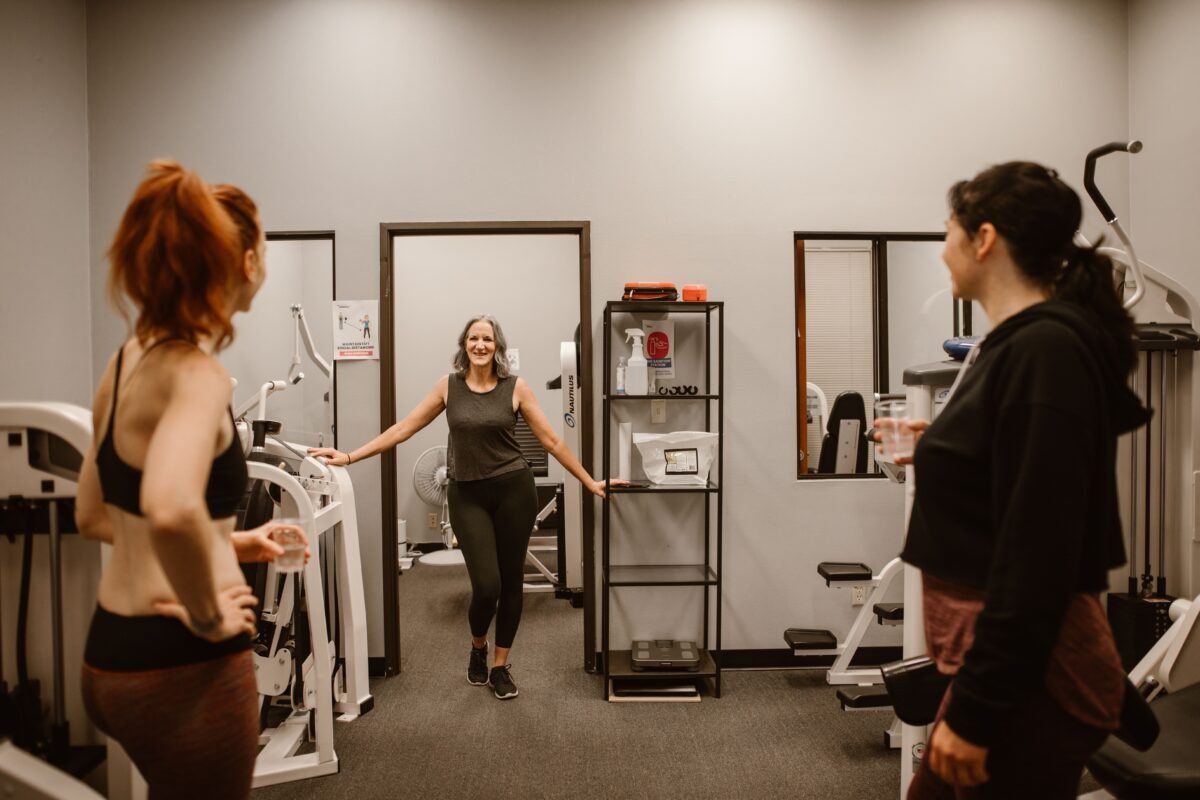
Healthy habits reduce the risk of the most common long-term illnesses, and they also change how you feel day to day.
What research shows:
- A large Harvard study that followed more than 120,000 people for decades found that those who kept five habits (healthy diet, regular exercise, healthy weight, no smoking and moderate alcohol) lived on average about 14 years longer (women) and 12 years longer (men) at age 50 than people with none of them. Even one habit added about two years.
- The American Heart Association’s Life’s Essential 8 checklist for heart health includes eating better, healthy lifestyle being active, not using nicotine, getting healthy sleep, managing weight, and controlling cholesterol, blood sugar and blood pressure.
- The US CDC states that quitting smoking can add up to 10 years to life expectancy.
What it feels like: More energy, steadier mood, better sleep, fewer sick days and easier daily movement. These are the benefits most people notice first, long before any lab test changes.
A note on fairness: Health is not only about willpower. Income, work hours, safety, air quality, family history and access to care all matter. A healthy lifestyle is about doing what you can with what you have, not blaming yourself.
12 Healthy Lifestyle Habits at a Glance
| # | Habit | Simple target | Time or cost |
|---|---|---|---|
| 1 | Eat mostly whole foods | Half your plate vegetables and fruit at main meals | Low cost |
| 2 | Limit ultra-processed food and sugar | Keep sweet drinks and packaged snacks occasional | Saves money |
| 3 | Move daily | At least 150 minutes of moderate activity a week | Free |
| 4 | Build strength | Muscle-strengthening on 2 days a week | Free to low |
| 5 | Sit less | Stand or walk for 2 to 5 minutes every hour | Free |
| 6 | Sleep enough | 7 to 9 hours for most adults | Free |
| 7 | Manage stress | 5 to 10 minutes of calming practice daily | Free |
| 8 | Stay hydrated | Drink regularly; pale yellow urine is a good guide | Free |
| 9 | Stay connected | One real conversation with a friend or family member daily | Free |
| 10 | Avoid tobacco | Zero cigarettes, vapes and similar products | Saves money |
| 11 | Limit alcohol | Best is none; if you drink, keep it low | Saves money |
| 12 | Get preventive care | Checkups and screenings as advised for your age | Varies |
The habits are explained below. You do not need to start all 12. In the “how to start” section you will see why starting with just one or two is smarter.
Healthy Lifestyle Habit 1 and 2: Eat Real, Balanced Food

The best eating pattern is the one you can follow for years. Most health bodies agree on the basics: plenty of vegetables and fruit, whole grains, beans and lentils, nuts, fish or other lean protein, healthy fats, and less ultra-processed food, sugar and salt.
The Balanced Plate
Use a plate as a simple guide:
| Part of the plate | What goes there | Examples |
|---|---|---|
| Half | Vegetables and fruit | Spinach, okra, cauliflower, salad, seasonal fruit |
| One quarter | Whole grains or starchy carbs | Brown rice, whole wheat roti, oats, daliya |
| One quarter | Protein | Dal, chana, eggs, fish, chicken, yogurt, paneer |
| Small amount | Healthy fats | Olive or mustard oil, nuts, seeds |
| Drink | Water, unsweetened tea or lassi without sugar | Avoid sugary drinks |
Practical Eating Rules
- Add before you subtract. Add one vegetable to every meal before you cut anything.
- Choose whole over refined. Whole wheat roti over white bread, brown or parboiled rice over polished rice when you can.
- Cook at home most days. You control the oil, salt and sugar.
- Limit added sugar. The World Health Organization suggests keeping free sugars below 10% of daily energy, and ideally lower.
- Limit salt. WHO recommends less than 5 grams of salt (about a teaspoon) a day. Watch pickles, chips, sauces and instant noodles.
- Eat protein at each meal. It keeps you full and supports muscle.
- Eat slowly. It takes about 20 minutes for fullness signals to arrive.
- Plan for treats. A healthy lifestyle includes biryani, sweets and festivals. Enjoy them, in smaller portions, without guilt.
Ultra-Processed Food
Packaged snacks, soft drinks, instant noodles, sweetened cereals and many ready meals tend to have more calories, salt and sugar and fewer nutrients than whole foods. You do not need to ban them. Swap one or two a day for whole options, such as roasted chana instead of chips or fruit instead of biscuits.
Healthy Lifestyle Habit 3 to 5: Move Daily, Build Strength, Sit Less
Movement protects your heart, bones, mood, sleep and weight, and lowers the risk of diabetes and some cancers.
How Much Activity Is Enough
| Type | Adult target | Examples |
|---|---|---|
| Moderate aerobic | At least 150 minutes a week (for example 30 minutes, 5 days) | Brisk walking, cycling, swimming, dancing |
| Or vigorous aerobic | At least 75 minutes a week | Running, fast cycling, football |
| Strength | 2 days a week or more | Bodyweight squats, push-ups, resistance bands, light weights |
| Balance and flexibility | A few times a week, especially with age | Yoga, stretching, tai chi |
You can split activity into short bursts. Three 10-minute walks count. Many studies show benefits at around 7,000 steps a day or more, and 10,000 is a popular goal, but it is a target, not a magic number. Any increase from where you are now helps.
How to Start Moving
- If you do nothing now: Walk 10 minutes after one meal a day for a week, then add 5 minutes weekly.
- If you work at a desk: Stand up and walk for 2 to 5 minutes every hour. Set a phone reminder.
- If you dislike the gym: Choose any activity you enjoy: badminton, cricket, dancing, cycling, a walking group, gardening or playing with children.
- For strength at home: Do 2 sets of 8 to 12 repetitions of squats, wall push-ups, glute bridges and a plank, twice a week.
- Warm up and cool down for 5 minutes, and increase effort gradually.
Sitting Less
Long, unbroken sitting is linked with a higher risk of obesity, type 2 diabetes and some cancers, and regular exercise helps but does not fully cancel it. Break up sitting often, use a standing desk or phone calls as walking time, and take stairs when you can.
Safety First
See a doctor before starting vigorous exercise if you are over 40 and inactive, have heart disease, high blood pressure, diabetes, joint problems, or if you get chest pain, severe breathlessness or dizziness during activity. Stop and seek urgent care for chest pain or fainting.
Healthy Lifestyle Habit 6: Sleep 7 to 9 Hours
Sleep is when your body repairs tissue, restores energy and processes memories. The American Heart Association now includes sleep in its heart-health checklist and says most adults do best with 7 to 9 hours a night. Poor sleep over time is linked with a higher risk of heart disease, diabetes and depression, and it makes healthy choices harder the next day.
Sleep Hygiene Steps
- Keep a regular schedule. Go to bed and wake up at about the same time every day, even on weekends.
- Create a wind-down routine. Dim lights, put the phone away and do something calm for 30 to 60 minutes.
- Make the bedroom dark, quiet and cool. A comfortable temperature, blackout curtains and a fan help.
- Limit caffeine after midday, and avoid heavy meals and a lot of fluids close to bedtime.
- Get daylight in the morning. It helps set your body clock.
- Use the bed for sleep. Avoid working or scrolling in bed.
- Do not use alcohol as a sleep aid. It tends to make sleep lighter and more broken.
- If you cannot sleep after 20 minutes, get up, do something quiet in dim light, and return when sleepy.
See a doctor if you snore loudly, stop breathing during sleep, feel very tired despite enough hours, or have trouble sleeping for more than a few weeks.
Healthy Lifestyle Habit 7: Manage Stress and Protect Your Mental Health
Most lists skip this, but your mind is part of a healthy lifestyle. Long-term stress affects sleep, appetite, blood pressure, mood and relationships.
Signs of Too Much Stress
Trouble sleeping, frequent headaches or stomach problems, irritability, constant worry, using food, cigarettes or alcohol to cope, or losing interest in things you used to enjoy.
Simple Tools That Help
| Tool | How to do it | Time |
|---|---|---|
| Slow breathing | Inhale for 4 seconds, exhale for 6 to 8 seconds, repeat 10 times | 2 minutes |
| Walk outside | A short walk in daylight, ideally near trees or water | 10 to 20 minutes |
| Prayer, reflection or meditation | Quiet, focused time that fits your beliefs | 5 to 10 minutes |
| Write it down | List worries, then one small action for each | 5 minutes |
| Talk to someone | Call a friend or family member you trust | Any time |
| Set boundaries | Switch off work notifications at a fixed time | Daily |
| Do something enjoyable | Hobby, reading, cooking, music | 15 to 30 minutes |
When to Get Help
If low mood, anxiety or hopelessness lasts more than a couple of weeks, or affects work, sleep or relationships, talk to a doctor or a qualified mental health professional. Depression and anxiety are common and treatable. If you ever have thoughts of harming yourself, contact local emergency services or a trusted person right away. You do not have to manage this alone.
Healthy Lifestyle Habit 8: Stay Hydrated
Water supports digestion, temperature control, concentration and kidney function. How much you need depends on your size, activity, weather and health, so there is no single magic number.
Practical guide:
- Drink regularly through the day rather than all at once.
- Pale yellow urine usually means you are well hydrated; dark yellow means drink more.
- Increase fluids in hot weather, when exercising, or when you are ill.
- Water, unsweetened tea and plain lassi or buttermilk all count. Limit sweet drinks.
- If you have kidney, heart or other conditions, ask your doctor how much fluid is right for you.
Healthy Lifestyle Habit 9: Stay Connected
Strong relationships are linked with better mental health and longer life. Loneliness is linked with worse health outcomes.
- Talk to one person you care about every day, even for five minutes.
- Share meals with family or friends when possible.
- Join a community activity: a walking group, a class, a volunteering project or a prayer or study circle.
- Keep learning something new. Curiosity keeps the mind active.
- If you feel isolated, start small: send one message, accept one invitation.
Healthy Lifestyle Habit 10 and 11: Avoid Tobacco and Limit Alcohol
Tobacco
Smoking damages the lungs, heart and blood vessels and is the main risk factor for lung cancer. Quitting is one of the best things you can do for your health at any age. The CDC states that quitting can add up to 10 years to life expectancy. This includes cigarettes, bidis, hookah, chewing tobacco and vapes.
How to quit: Set a quit date, tell family, remove triggers, ask a doctor about counselling and nicotine replacement or prescription options, and expect a few attempts. Each try teaches you something.
Alcohol
The World Health Organization says there is no level of alcohol consumption that is completely safe for health. Many countries advise that if you drink at all, you keep it low, and have alcohol-free days. If you do not drink, there is no health reason to start. If you are pregnant, taking medicines that interact with alcohol, or have liver or mental health conditions, avoid it. Never drink and drive.
Healthy Lifestyle Habit 12: Preventive Care
Checkups find problems early, when they are easier to treat.
| What | Why | How often |
|---|---|---|
| Blood pressure | High blood pressure often has no symptoms | At least yearly, or as advised |
| Blood sugar | Early detection of diabetes | As advised, earlier if family history or higher risk |
| Cholesterol | Heart disease risk | As advised by your doctor |
| Weight and waist | Overall risk tracking | Every few months |
| Dental checkup | Gum and tooth health | Every 6 to 12 months |
| Eye test | Vision and eye disease | Every 1 to 2 years, or as advised |
| Vaccinations | Prevent infections | As recommended for your age and risk |
| Cancer screenings | Early detection | According to age and sex-specific guidance |
Exact schedules depend on age, family history and local guidelines, so ask your doctor what applies to you.
Healthy Lifestyle and Weight Management Without Crash Diets
Weight is only one measure of health, and BMI is a rough screening tool, not a verdict. Some health authorities suggest that people of South Asian origin may face higher risk for type 2 diabetes and heart disease at lower BMI and waist measurements, so it is wise to ask your doctor what is right for you.
What works over time:
- Small, steady changes instead of extreme diets.
- A modest calorie deficit if weight loss is advised, with enough protein and vegetables.
- Regular strength training to protect muscle.
- Good sleep and stress control, because they affect hunger.
- Tracking waist size and energy, not only the scale.
What does not work: Crash diets, detox teas, skipping meals for days, or any product promising rapid weight loss. They tend to cause rebound weight gain and nutrient problems. If you have a history of disordered eating, work with a doctor or dietitian.
How to Start a Healthy Lifestyle: The Step-by-Step Method
Most people fail because they try to change everything at once. This method is designed to avoid that.
Step 1: Pick One or Two Habits
Choose the easiest high-impact ones: a 10-minute walk after dinner, one extra vegetable at lunch, or a fixed bedtime.
Step 2: Make It Tiny
Shrink the habit until it feels almost silly. “Walk for 30 minutes” becomes “put on shoes and walk to the corner.” Starting is the hard part.
Step 3: Attach It to an Existing Routine
Use habit stacking: “After I finish dinner, I walk for 10 minutes.” “After I brush my teeth, I drink a glass of water.”
Step 4: Prepare Your Environment
Keep fruit visible, put sweets out of sight, lay out walking shoes, set a bedtime alarm.
Step 5: Track It
Tick a box on a calendar each day. Do not break the chain twice in a row.
Step 6: Expect Setbacks
If you miss a day, restart the next day. One study found that forming a new habit took about 66 days on average, with a wide range from a few weeks to many months. That is normal.
Step 7: Add the Next Habit
Only after two to four weeks, when the first one feels easy, add another.
7-Day Healthy Lifestyle Starter Plan
| Day | Food | Movement | Mind and sleep |
|---|---|---|---|
| 1 | Add one vegetable to lunch and dinner | 10-minute walk | Fix a bedtime |
| 2 | Swap one sweet drink for water | 10-minute walk | 5 minutes of slow breathing |
| 3 | Eat breakfast with protein (egg, dal, yogurt) | 15-minute walk | Screens off 30 minutes before bed |
| 4 | Cook one meal at home from scratch | Strength basics: 2 sets of squats and wall push-ups | Message a friend |
| 5 | Replace one packaged snack with fruit or nuts | 20-minute walk | Write down 3 good things |
| 6 | Try a new vegetable or lentil dish | Active fun: a game, cycling or dancing | Get 15 minutes of morning daylight |
| 7 | Plan next week’s meals and shop | Easy stretching or yoga | Review what worked and what to change |
30-Day Habit Tracker
Print this, or copy it into your phone. Tick each habit each day.
| Habit | Week 1 | Week 2 | Week 3 | Week 4 |
|---|---|---|---|---|
| Vegetable at 2 meals | 7 / 7 | 7 / 7 | 7 / 7 | 7 / 7 |
| 20+ minutes of movement | 7 / 7 | 7 / 7 | 7 / 7 | 7 / 7 |
| In bed on time | 7 / 7 | 7 / 7 | 7 / 7 | 7 / 7 |
| 5 minutes of calm | 7 / 7 | 7 / 7 | 7 / 7 | 7 / 7 |
| Water through the day | 7 / 7 | 7 / 7 | 7 / 7 | 7 / 7 |
Write how many days you hit each target. Aim for progress, not perfection: 5 out of 7 is a great week.
Healthy Lifestyle on a Budget
A healthy lifestyle does not have to be expensive. Many of the most effective habits are free.
| Area | Low-cost idea |
|---|---|
| Food | Buy seasonal vegetables and fruit, lentils, beans, eggs, oats; cook in batches |
| Protein | Dal, chana, eggs and yogurt are cheaper than meat and supplements |
| Exercise | Walking, running, bodyweight workouts and free online videos |
| Equipment | Resistance bands and a skipping rope are cheap and effective |
| Sleep | A fixed schedule and a dark room cost nothing |
| Stress | Breathing, prayer or meditation, walks, talking to friends |
| Checkups | Use government or low-cost clinics for basic screenings |
| Supplements | Usually not needed if you eat varied food; ask a doctor first |
Supplements and multivitamins are not a substitute for food. Research on their benefits for healthy people is mixed. They may help in specific cases such as pregnancy, older age or a diagnosed deficiency, so check with a doctor.
Healthy Lifestyle for Busy People, Students and Parents
Busy professionals:
- Prepare food on Sunday for 2 to 3 days.
- Use walking meetings, stair breaks and a 10-minute lunchtime walk.
- Keep nuts, fruit and roasted chana at your desk.
- Protect sleep: set a work shutdown time.
Students:
- Eat regular meals and avoid relying on energy drinks and instant noodles.
- Study in 50-minute blocks with 10-minute movement breaks.
- Keep a consistent sleep schedule, especially during exams.
- Join a sport or walking group for stress and friendships.
Parents:
- Make healthy habits a family activity: evening walks, cooking together, screen-free dinners.
- Offer fruit and vegetables regularly without pressure. Children copy what they see.
- Aim for sleep routines that work for the whole household.
- Look after your own checkups, not only your children’s.
Healthy Lifestyle for Pakistani and South Asian Homes
Health advice is often written for Western kitchens and climates. These adjustments make it easier to follow at home.
Food
- Roti and rice: Choose whole wheat or mixed-grain atta, and watch portion size. A palm-sized portion of rice or two small rotis at a meal is a reasonable start for many adults; your needs may differ.
- Oil and ghee: Use less, measure it with a spoon, and prefer methods like grilling, baking and air-frying over deep frying. Treat samosas, pakoras and parathas as occasional foods.
- Dal, chana and sabzi: These are excellent staples. Keep them central.
- Sweets and chai: Reduce sugar gradually in tea, and keep mithai for special occasions.
- Yogurt and lassi: Choose plain versions without added sugar.
- Eating out: Choose grilled or tandoori items, share rice or bread, and skip sugary drinks.
Heat and Exercise
- Exercise early in the morning or after sunset in hot months.
- Wear light cotton clothes, drink water before and after, and stop if you feel dizzy.
- On very hot days, move indoors: a home workout, stairs or a mall walk.
Air Quality
- Check the air quality index on smoggy days. When it is poor, exercise indoors and avoid heavy outdoor activity, especially if you have asthma, heart or lung disease, or are a child or older adult.
- A well-fitted mask may reduce exposure during high-pollution days.
Ramadan
- Break your fast with water and dates, then a balanced meal rather than only fried or sweet foods.
- Drink fluids between iftar and suhoor.
- At suhoor, include protein and slow-digesting carbs such as eggs, oats, yogurt or whole-wheat roti.
- Do light exercise, such as a walk after iftar, rather than heavy training late in the day.
- If you have diabetes, kidney disease or take regular medicines, ask your doctor before fasting and about medicine timing.
Health Risks Worth Knowing
South Asian populations may be at higher risk of type 2 diabetes and heart disease, sometimes at younger ages and lower body weights. If you have a family history, ask your doctor whether to start blood sugar, blood pressure and cholesterol screening earlier.
Healthy Lifestyle Myths vs Facts
| Myth | Fact |
|---|---|
| You must exercise for an hour every day | 150 minutes a week is the common target, and short sessions count |
| Everyone needs exactly 8 glasses of water | Needs vary with size, weather, activity and health |
| Carbs are bad | Whole grains, lentils and fruit are healthy; refined carbs and sugars are the concern |
| Fat makes you fat | Healthy fats such as nuts, seeds and fish are part of a good diet |
| A little alcohol is good for you | Health bodies such as WHO say no level is completely risk-free |
| Supplements can replace good food | Food gives fibre and many nutrients that pills do not |
| You need a gym | Walking and bodyweight exercises are effective |
| Skipping meals helps you lose weight | It often leads to overeating later and low energy |
| It is too late to start | Benefits appear at any age |
| Healthy eating is boring | Spices, herbs and local dishes make it enjoyable |
12 Common Healthy Lifestyle Mistakes
- Changing everything at once. Start with one or two habits.
- All-or-nothing thinking. One bad meal or missed workout does not cancel progress.
- Crash dieting. It backfires and harms energy and mood.
- Ignoring sleep. Poor sleep makes cravings and low motivation worse.
- Exercising too hard, too fast. This causes injuries and burnout.
- Skipping strength training. Muscle matters for metabolism, bones and ageing.
- Relying on supplements. They cannot replace real food.
- Ignoring mental health. Stress and loneliness undermine all other habits.
- Copying influencers. What works for others may not suit your health, budget or culture.
- Skipping checkups. Problems found early are easier to treat.
- Not planning. If you do not plan meals and workouts, they rarely happen.
- Quitting when you slip. Everyone misses days. Restart the next day.
When to See a Doctor
Book an appointment if you:
- Have chest pain, severe breathlessness, fainting or sudden weakness (seek emergency care immediately)
- Have unexplained weight loss or gain, constant tiredness or persistent pain
- Have a family history of heart disease, diabetes or cancer and have not had a screening
- Are starting exercise after a long break and have a medical condition
- Feel sad, anxious or hopeless for more than two weeks
- Are pregnant or planning pregnancy and want to change diet or exercise
- Want help to quit smoking or reduce alcohol
Healthy Lifestyle Checklist
Food:
- Vegetables or fruit at most meals
- Mostly whole foods; sweets and fried items occasional
- Less salt, sugar and oil
Movement:
- 150 minutes of moderate activity a week
- Strength work on 2 days
- Breaks from sitting every hour
Sleep and mind:
- 7 to 9 hours of sleep
- A daily calming practice
- One real conversation each day
Avoid and limit:
- No tobacco
- Alcohol avoided or kept low
Care:
- Regular checkups and screenings
- Vaccinations up to date
- Dental and eye checks
FAQs About a Healthy Lifestyle
1. What is a healthy lifestyle?
A healthy lifestyle is a set of daily habits that support your body and mind: balanced food, regular movement, enough sleep, stress management, social connection, no tobacco, low or no alcohol and regular checkups.
2. How do I start a healthy lifestyle?
Pick one or two small habits, such as a 10-minute walk after dinner and one extra vegetable a day. Attach them to existing routines, track them on a calendar and add another habit after a few weeks.
3. What are the main pillars of a healthy lifestyle?
The main pillars are nutrition, physical activity, sleep, stress and mental health, social connection, avoiding tobacco, limiting alcohol and preventive care.
4. How much exercise do I need?
Most adults should aim for at least 150 minutes of moderate activity a week plus muscle-strengthening exercise on 2 days. Shorter sessions add up.
5. How much sleep is healthy?
Most adults need 7 to 9 hours a night. Needs vary slightly, so notice how you feel and talk to a doctor if you are always tired.
6. Is a healthy lifestyle expensive?
Not necessarily. Walking, sleep, breathing exercises and home cooking with lentils, vegetables and seasonal fruit cost little. Packaged health foods and supplements are often the most expensive and least necessary parts.
Final Thoughts
A healthy lifestyle is built from small, repeatable choices: a vegetable added, a walk taken, a bedtime kept, a conversation had, a cigarette not smoked. You do not need a perfect plan or a big budget. Start with one habit this week, use the 7-day plan, track it, and add the next one when the first feels easy. Over months and years, those small choices add up to more energy, steadier moods and a longer, healthier life.
