Choosing prenatal vitamins can feel surprisingly difficult. One bottle promises complete nutrition, another highlights organic ingredients, and a third costs twice as much because it uses a different form of folate.
The best prenatal vitamins are not necessarily the most expensive or the ones with the longest ingredient list. They are the supplements that provide appropriate amounts of essential nutrients for your stage of pregnancy, dietary habits, and individual health needs.
If you’re trying to conceive, already pregnant, or planning ahead, start with the nutrient label rather than the advertising. A healthcare professional can help you identify what you need and whether a standard prenatal formula is enough.
Quick answer: Look for a prenatal supplement containing folic acid, appropriate iron, iodine, vitamin D, and other essential nutrients. Check whether it includes choline and DHA, too, since these are often absent or present in limited amounts.
What Are the Best Prenatal Vitamins Made to Contain?
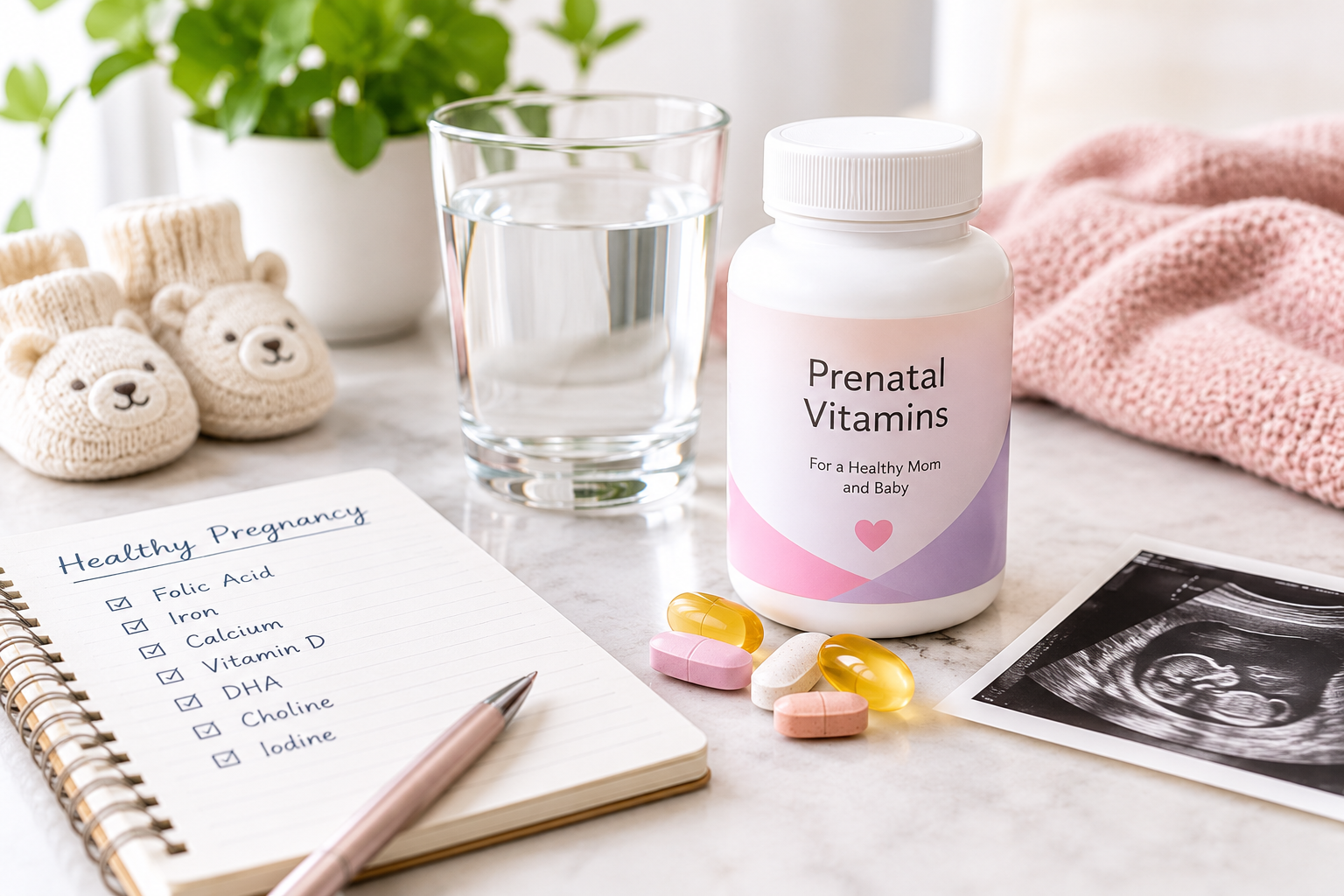
The best prenatal vitamins are formulated to help people meet increased nutritional needs before and during pregnancy. They typically supply folic acid or another form of folate, iron, and several vitamins and minerals that support maternal health and fetal development.
If you’re unsure which nutrients your body needs, read our guide on what vitamins you should take to understand the basics of vitamin supplementation.
According to the NIH Office of Dietary Supplements, prenatal supplements vary considerably in their ingredients and doses. There is no single standard formula that guarantees every product contains every nutrient needed during pregnancy.
That difference matters.
Two bottles labeled “prenatal multivitamin” may contain different amounts of iron, iodine, vitamin D, and choline. Some gummy formulas contain no iron, while certain products omit iodine or provide only small amounts of choline.
The practical rule: Compare the Supplement Facts panel, not just the front label.
Best Prenatal Vitamins: Which Nutrients Matter Most?
These are the main nutrients to check when comparing prenatal supplements.
| Nutrient | Why It Matters | What to Check |
| Folic acid | Helps reduce the risk of neural tube defects | Common guidance recommends 400–800 mcg daily before pregnancy and during early pregnancy for most people |
| Iron | Supports hemoglobin production and increased blood volume | Pregnancy recommendations commonly call for 27 mg daily from all sources |
| Iodine | Supports thyroid function and fetal development | Pregnancy recommendation: 220 mcg daily |
| Vitamin D | Helps the body absorb calcium and supports bone health | Pregnancy recommendation: 15 mcg (600 IU) daily |
| Choline | Supports fetal growth and nervous system development | Pregnancy recommendation: 450 mg daily |
| Vitamin B12 | Supports red blood cells and neurological function | Particularly important to review for vegetarian and vegan diets |
| DHA and other omega-3s | DHA is involved in fetal brain and eye development | Check the actual DHA amount; a product containing fish oil does not automatically provide a useful dose |
These figures are general US dietary reference values, not instructions to take the entire amount as a supplement. Food and supplements both contribute to daily intake. Individual needs may differ.
Source: NIH pregnancy nutrient fact sheet and American College of Obstetricians and Gynecologists (ACOG).
Best Prenatal Vitamins Before Pregnancy: When Should You Start?
Ideally, begin discussing prenatal vitamins while planning pregnancy rather than waiting for a positive test.
Folic acid is especially time-sensitive. The neural tube develops very early, often before someone knows they are pregnant. Getting enough folic acid before conception and during early pregnancy helps lower the risk of neural tube defects affecting the brain and spine.
According to ACOG’s prepregnancy guidance, most people planning pregnancy should take a prenatal vitamin containing at least 400 micrograms of folic acid daily, beginning at least one month before pregnancy.
Best Prenatal Vitamins for Folic Acid and Folate
Folate is the general name for vitamin B9, which occurs naturally in food and in several supplement forms. Folic acid is a specific form used in supplements and fortified foods.
Both terms appear frequently on prenatal labels, but they are not interchangeable in every evidence-based recommendation. Folic acid is the form with established evidence for reducing neural tube defect risk.
For most people, 400–800 mcg of folic acid daily is a common preventive recommendation. Best Prenatal Vitamins Higher doses may be appropriate for certain people with specific risk factors, but these should be prescribed by a healthcare professional.
Don’t take multiple prenatal vitamins to increase folic acid. Doing so can also raise your intake of iron, vitamin A, and other nutrients beyond appropriate levels.
Quick note: If you have previously had a pregnancy affected by a neural tube defect, take certain medications, or have a medical condition that changes your nutritional needs, ask your clinician about the right folic acid dose before trying to conceive.
Best Prenatal Vitamins During the First, Second, and Third Trimesters
Nutritional needs change throughout pregnancy, but you don’t automatically need a different prenatal vitamin for each trimester.
- First trimester: Folic acid remains especially important, and nausea may make the supplement’s size, smell, and timing significant.
- Second trimester: Iron needs remain important as blood volume increases. Your clinician may review your blood count and recommend additional iron if necessary.
- Third trimester: Continue meeting pregnancy nutrient needs and review any additional supplementation with your healthcare provider.
Some people need extra iron, vitamin D, vitamin B12, or other nutrients because of laboratory results, dietary restrictions, or medical conditions. A standard prenatal multivitamin may not address every individual need.
How to Choose the Best Prenatal Vitamins for Your Needs
The right formula depends on more than the number of nutrients listed on the bottle. Consider your diet, tolerance, existing supplements, medical history, and the stage of pregnancy.
Best Prenatal Vitamins With Iron
Iron helps the body produce hemoglobin, which carries oxygen in the blood. Pregnancy increases iron requirements, and the recommended daily intake for pregnant adults aged 19–50 is 27 mg.
However, more iron is not always better. Some people experience constipation, nausea, or stomach discomfort from iron-containing supplements. Others need additional iron because of iron deficiency or anemia.
If iron causes side effects, speak with your healthcare professional before switching products or stopping your supplement. They may recommend changing the formulation, adjusting timing, or using a separate iron supplement based on your needs.
Best Prenatal Vitamins With DHA
DHA is an omega-3 fatty acid involved in fetal brain and eye development. Some prenatal products include DHA from fish oil or algae oil, while others sell it as a separate supplement.
When comparing products, check the amount of DHA per serving rather than the total amount of fish oil. These figures can be very different.
Algae-derived DHA may suit people who avoid fish products. If you eat little or no seafood, ask your healthcare professional whether a DHA supplement is appropriate for you.
Best Prenatal Vitamins With Choline and Iodine
Choline and iodine deserve special attention because some prenatal formulas contain little or none of either nutrient.
Choline supports fetal growth and nervous system development. The recommended intake during pregnancy is 450 mg daily, but many supplements provide only a small fraction of that amount.
Iodine supports thyroid hormone production and fetal development. The pregnancy recommendation is 220 mcg daily, although individual recommendations and public health guidance can vary by country.
Eggs, dairy products, seafood, beans, and other foods can contribute to choline intake. Iodine sources include iodized salt, dairy products, eggs, and seafood. A healthcare professional can help assess whether your diet and supplement provide enough.
Best Prenatal Vitamins for Sensitive Stomachs
If nausea is an issue, a large tablet with a strong smell may be difficult to tolerate. Gummies, smaller capsules, or different formulations may be easier for some people.
But convenience has a trade-off. Prenatal gummies often contain no iron and may provide different amounts of other nutrients than tablets.
Look for a formulation you can take consistently without overlooking important nutrients. Ask a pharmacist or healthcare professional about timing, taking the supplement with food, or changing the formulation if you experience ongoing discomfort.
Best Prenatal Vitamins Compared: Tablets, Gummies, and Capsules
There is no universally best delivery format. The right choice is one that meets your nutritional needs and is practical to take every day.
Quick Comparison
| Supplement Type | Best For | Key Benefit | Limitation |
| Tablets | People who want a conventional all-in-one formula | Often provide a broad range of vitamins and minerals | May be large or difficult to swallow |
| Capsules | People who prefer a capsule format | Some formulations are easier to swallow than tablets | Ingredients and nutrient amounts vary |
| Gummies | People who struggle with tablets | Often easier to chew and take | May omit iron or contain less of certain nutrients |
| Prenatal plus separate DHA | People who want to choose an omega-3 supplement separately | Allows a closer look at DHA content | Adds another product and serving to manage |
Best Prenatal Vitamins: Examples of Brands to Compare

These are examples of established prenatal product lines you can investigate. Formulations differ by product and may change, so verify the current label before purchasing.
- Nature Made Prenatal: Compare the specific formula’s folic acid, iron, vitamin D, and other nutrient amounts.
- One A Day Prenatal: Review the individual product’s ingredient panel and check whether any nutrients you need are missing.
- Thorne Basic Prenatal: Examine the listed forms and doses of nutrients, along with serving size and tolerability.
- Ritual Essential Prenatal: Check the actual nutrient amounts and whether additional nutrients, such as choline, are needed from food or another clinician-approved source.
These examples are not ranked by clinical effectiveness, and no brand is automatically the best choice for every pregnancy. Product availability, formulations, and prices vary by retailer and country.
A higher price does not necessarily mean better pregnancy nutrition. A less expensive product that provides the nutrients you need may be more appropriate than a premium supplement with ingredients that do not match your requirements.
Safety Mistakes to Avoid When Taking Prenatal Vitamins

Prenatal vitamins can help fill nutritional gaps, but they are not harmless simply because they are designed for pregnancy.
Avoid Excess Vitamin A
Excessive amounts of preformed vitamin A, often listed as retinol or retinyl esters, can harm fetal development. Avoid taking additional vitamin A supplements or combining multiple multivitamins without medical advice.
The NHS also advises pregnant people to avoid supplements containing vitamin A in the form of retinol and cod liver oil. See its pregnancy vitamin guidance.
Don’t Double Up on Supplements
Taking a prenatal multivitamin alongside another multivitamin, iron tablet, or high-dose vitamin supplement can create unnecessary or excessive nutrient intake.
Before adding anything, show your healthcare professional the full list of supplements and medications you use. This is particularly important if you have a thyroid condition, anemia, a history of bariatric surgery, or a restricted diet.
Check Quality and Ingredient Information
Choose products from reputable manufacturers that provide clear Supplement Facts panels, batch information, and appropriate quality testing. Independent verification can help confirm that a product contains what its label claims, although it does not prove that the supplement is effective or suitable for your pregnancy.
Be cautious about herbal blends and “fertility booster” products. Natural ingredients are not automatically safe during pregnancy, and some have limited safety data.
Frequently Asked Questions About the Best Prenatal Vitamins
What are the best prenatal vitamins for someone trying to conceive?
For most people planning pregnancy, a prenatal supplement with 400–800 mcg of folic acid is a useful starting point. Review other nutrients with a healthcare professional based on your diet and medical history.
Should I take prenatal vitamins if I’m not pregnant yet?
Yes, if you’re planning pregnancy, folic acid supplementation is recommended before conception because early fetal development begins before many people know they are pregnant.
Are prenatal gummies as good as prenatal pills?
Not always. Gummies may be easier to take, but some contain no iron or provide less of certain nutrients. Compare the full nutrient labels before choosing.
Do the best prenatal vitamins need DHA?
DHA is important for fetal development, but not every prenatal vitamin contains it. Check the label and ask your healthcare professional whether a separate DHA supplement fits your needs.
Can I take two prenatal vitamins if one doesn’t provide enough nutrients?
Don’t double the dose without medical advice. This can lead to excessive intake of certain nutrients, including iron and preformed vitamin A. A clinician can recommend a targeted supplement if necessary.
Final Thoughts
The best prenatal vitamins are the ones that meet your nutritional needs, have a clear ingredient label, and fit your daily routine. Start by checking folic acid, iron, iodine, vitamin D, and the amounts of choline and DHA.
Don’t choose a supplement based on popularity or price alone. Compare the actual ingredients, avoid unnecessary duplicate products, and speak with a qualified healthcare professional about individual requirements, especially if you have a medical condition or a history that affects pregnancy nutrition.