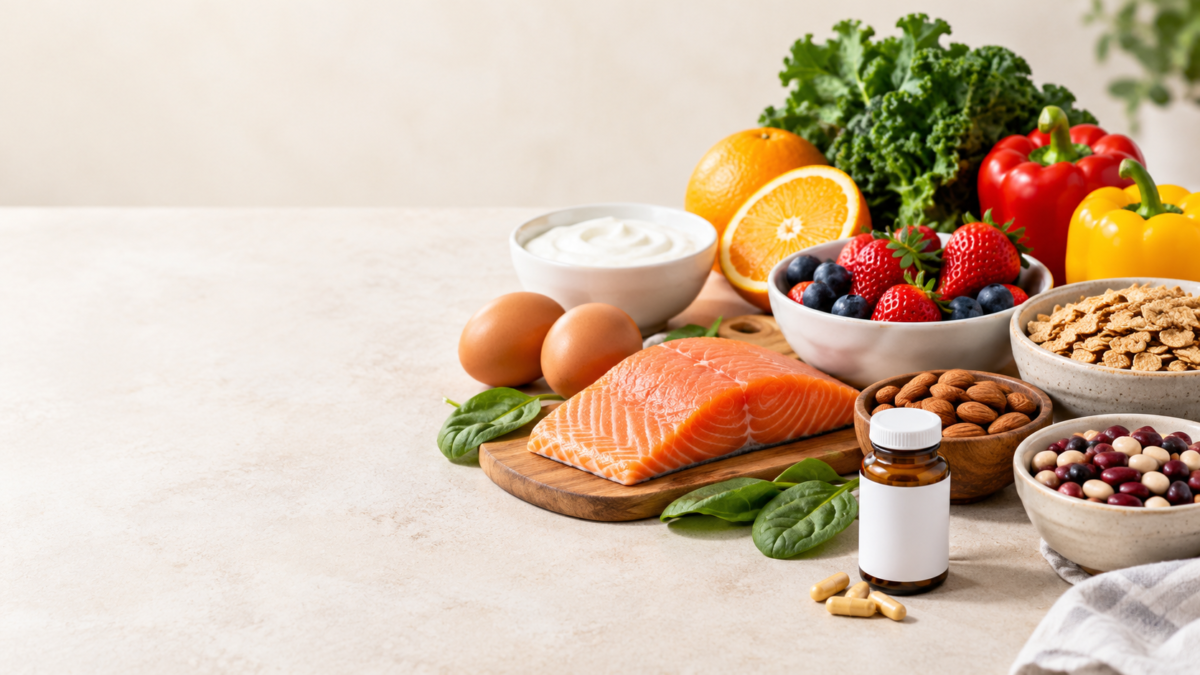

Nutrition affects far more than what sits on your plate. Everything you eat and drink gives your body the raw materials it uses to make energy, build and repair tissue, fight infection, and keep your organs working.
If you are new to the subject, though, it can feel overwhelming. what is nutrition Words like macronutrients, micronutrients, calories, fiber, and nutrient density appear everywhere, and every website seems to promote a different “perfect” diet.
This guide cuts through the noise. You will learn what nutrition is, what the six essential nutrients do, which foods supply them, what a healthy diet really looks like, and how to start improving your eating habits in small, realistic steps.
What Is Nutrition?
If you have ever typed “what is nutrition” into a search bar, here is the short answer. Nutrition is the process by which your body takes in and uses nutrients from food and drink to support energy, growth, tissue repair, and normal body functions. what is nutrition It also describes the science that studies how food affects health.
Nutrients are substances your body needs to work properly. Some, like carbohydrates, protein, and fat, are needed in large amounts.
Others, like vitamins and minerals, are needed in tiny amounts but are just as important. How much of each you need depends on your age, body size, activity level, health, and life stage.
Nutrition is also wider than simply picking “healthy foods.” Culture, budget, food availability, personal taste, and medical conditions all shape what a good eating pattern looks like for a particular person.
That is why people who search for one perfect food or one ideal diet are usually disappointed. There rarely is one.
A better starting point is variety, because different foods contain different mixtures of carbohydrates, protein, fats, vitamins, minerals, and water.
Nutrition vs. Diet: What Is the Difference?

The two words are related but not identical. Nutrition is the broader process and science of how the body gets and uses nutrients.
A diet is simply the pattern of foods and drinks a person regularly consumes. Everyone has a diet, because everyone eats. what is nutrition The word does not automatically mean a short-term weight-loss plan.
This distinction matters. People can follow very different diets, from traditional home cooking to vegetarian or Mediterranean-style eating, and still achieve good nutrition, as long as the overall pattern supplies what the body needs.
How the Body Uses Nutrients
After you eat, digestion breaks food down into smaller substances that the body can absorb. Some nutrients are burned for energy. what is nutrition Others become part of your muscles, bones, and blood, or help chemical reactions run smoothly.
Carbohydrates are a major fuel. Protein supplies amino acids for building and maintaining tissue. Fats provide energy and help form cell structures.
Vitamins and minerals take part in countless processes, and water keeps everything moving.
Nutrients rarely work alone. A single meal of beans, whole grains, vegetables, and a little healthy oil delivers carbohydrates, protein, fiber, vitamins, minerals, and fat all at once.
The Six Essential Nutrients

Basic nutrition is usually organized around six categories: carbohydrates, protein, fats, vitamins, minerals, and water. what is nutrition The table below gives a quick overview before we look at each one more closely.
| Nutrient | Main role | Common food sources |
|---|---|---|
| Carbohydrates | Provide energy | Whole grains, fruits, vegetables, legumes |
| Protein | Supports growth and tissue maintenance | Beans, eggs, fish, dairy, meat, nuts, seeds |
| Fats | Provide energy and support body functions | Nuts, seeds, fish, avocado, plant oils |
| Vitamins | Support many body processes | Fruits, vegetables, and other whole foods |
| Minerals | Support bones, blood, nerves, and more | Dairy, legumes, vegetables, meat, nuts |
| Water | Supports hydration and normal functions | Water and water-rich foods |
What Are Carbohydrates?
Carbohydrates are one of the body’s main energy sources, so many people ask exactly what carbohydrates are and which foods contain them. They are found in grains, fruits, vegetables, beans, lentils, and dairy products. what is nutrition Your digestive system breaks them down into glucose, which your brain and muscles use as fuel.
Not all carbohydrates are equal. Simple carbohydrates, such as sugars, are digested quickly. Complex carbohydrates, such as the starches and fiber in oats, brown rice, lentils, and whole-wheat bread, take longer to digest and usually come packaged with fiber, vitamins, and minerals.
Foods high in carbohydrates include rice, bread, potatoes, pasta, oats, bananas, and legumes. Highly refined foods, like white bread, sweet biscuits, and sugary drinks, tend to supply energy with far fewer other nutrients.
The goal is not to label all carbohydrates as good or bad. The type and overall quality of the food matter most. what is nutrition Choosing whole grains, fruits, vegetables, and legumes more often is a practical way to improve your carbohydrate intake.
Protein and the Best Protein-Rich Foods
Protein supplies amino acids, which your body uses to build and maintain muscles, skin, enzymes, and many other tissues. what is nutrition If you are wondering what foods are rich in protein, the list includes fish, eggs, poultry, meat, dairy products, beans, lentils, chickpeas, peas, tofu, nuts, and seeds.
People on different eating patterns can meet their protein needs with different combinations of foods. A vegetarian might rely on lentils, eggs, and yogurt, while someone who eats meat might choose chicken and fish. what is nutrition Protein needs also vary with age, body size, activity, pregnancy, and health conditions.
Fats
Fat has a bad reputation it does not fully deserve. Your body needs it for energy, for building cell membranes, and for absorbing fat-soluble vitamins such as A, D, E, and K. Unsaturated fats, found in nuts, seeds, avocados, fish, and many plant oils, are the types health guidance encourages you to choose more often. what is nutrition Saturated fats and industrially produced trans fats are the ones to limit.
Fat should not be eliminated from your diet. What matters is the type of fat and your overall eating pattern.
Vitamins
Vitamins are micronutrients, which means you need only small amounts, but each has its own job. Vitamin C supports collagen formation and normal immune function. what is nutritionVitamin D helps the body use calcium and supports bone health.
A varied diet with fruits, vegetables, whole grains, legumes, nuts, and seeds provides many of the vitamins you need. what is nutrition Supplements can help in particular circumstances, but they are not an automatic replacement for a varied diet.
Minerals
Minerals are also micronutrients, and they include calcium, iron, potassium, magnesium, zinc, and iodine.
Calcium builds bones and teeth. Iron helps carry oxygen in the blood. Potassium supports normal muscle and nerve function. what is nutrition Iodine is needed to make thyroid hormones.
Mineral requirements differ across life stages, and someone with a diagnosed deficiency may need individual advice from a healthcare professional.
Water
Water is easy to overlook because it has no calories, yet it is essential for life. what is nutrition Your body uses it to keep fluids balanced, move nutrients around, regulate temperature, and support normal physical function.
Fluid needs change with activity, climate, diet, age, and health, but for most people plain water is the best everyday drink. Fruits and vegetables also contribute to your fluid intake.
Macronutrients vs. Micronutrients
The six nutrient categories can also be sorted into two groups. Macronutrients, namely carbohydrates, protein, and fat, are needed in larger amounts and supply energy.
Micronutrients, namely vitamins and minerals, are needed in smaller amounts. what is nutrition Water is essential too, but it is usually discussed separately because it provides no energy.
You may also see the phrase “macro diet.” This refers to an eating approach in which a person tracks grams of protein, carbohydrates, and fat rather than only counting calories.
Some people find it helpful, especially athletes or those with specific goals. For most beginners, though, understanding the basics of balanced meals is a better first step than weighing every portion.
The right balance of macronutrients is not identical for everyone. what is nutrition An active athlete, an older adult, a pregnant woman, and someone managing a medical condition will each have different needs.
“Micro” does not mean “minor.” Micronutrients take part in metabolism, immune defense, blood formation, nerve signaling, and bone health.
Deficiencies can occur when a diet lacks a particular nutrient or when something interferes with absorption. what is nutrition It is possible to eat enough calories and still fall short on important vitamins and minerals, which is why food quality and variety matter as much as quantity.
Why Is Nutrition Important?
Good nutrition supports almost every part of health across your whole life.
Energy and daily activity. Food provides the energy your body needs to breathe, think, and move. Energy needs differ from person to person, and a very active person needs more than someone with a mostly sedentary routine. Quality counts as well, because some foods supply calories with very little else in the way of vitamins, minerals, or fiber.
Growth and development. Children and teenagers need nutrients to build bones, muscles, and organs. Pregnancy raises the importance of adequate nutrition for both the mother and the developing baby.
Tissue maintenance and repair. Your body is constantly renewing itself. Protein, vitamins, minerals, fats, and water all contribute to that process, and a varied diet gives you a broader range of building materials than a narrow one.
Immune function. The immune system needs energy and nutrients to work properly. Good nutrition does not guarantee you will never get sick, but poor nutrition can make your body less able to cope.
Healthy aging. Appetite, digestion, activity, and medication use can change as people get older, which alters nutritional needs. A varied, nutrient-rich diet helps support health at every stage.
Lower risk of some diseases. The World Health Organization highlights healthy diets as a way to protect against malnutrition and noncommunicable diseases such as heart disease, diabetes, stroke, and some cancers. This does not mean a single food can prevent or cure a disease. Diet is one factor among many, alongside physical activity, genetics, sleep, environment, and access to healthcare.
What Is a Healthy Diet?
A lot of people ask, “what is a healthy diet?” or “what is the best diet?” The honest answer is that there is no single best diet for everyone.
A good diet, or a healthy diet, is one that provides adequate nutrients, includes a wide variety of foods, uses moderate amounts of the things that are best limited, and fits the person’s culture, budget, and health needs. what is nutrition The WHO describes healthy diets as built around adequacy, balance, moderation, and diversity.
In practice, that usually means the following habits.
Eat a Variety of Foods
Eating the same few foods every day makes it harder to get all the nutrients you need. Mix up your vegetables, fruits, grains, legumes, protein foods, nuts, and seeds. what is nutrition Variety also keeps meals interesting, which makes a healthy pattern easier to stick with.
Fill Your Plate with Fruits and Vegetables
Fruits and vegetables provide vitamins, minerals, fiber, and other beneficial compounds. Fresh, frozen, and properly prepared options all count. what is nutrition Instead of chasing one “superfood,” aim for a wide range of colors and types across the week.
Choose Whole Grains and Legumes
Oats, brown rice, barley, whole-grain bread, lentils, chickpeas, and kidney beans offer carbohydrates together with fiber and micronutrients. what is nutrition Swapping some refined grains for whole grains is one of the easiest upgrades you can make.
Include Healthy Protein and Healthy Fats
Protein can come from both animal and plant sources, and the best choices depend on your preferences, culture, budget, and health. what is nutrition For fats, favor nuts, seeds, avocado, fish, and plant oils, and keep foods high in saturated fat and industrial trans fat to a minimum.
Stay Hydrated
Drink water regularly and include water-rich foods. People with certain medical conditions may need specific fluid guidance from their doctor.
Limit Excess Added Sugar, Sodium, and Unhealthy Fats
Healthy eating guidance generally recommends keeping added sugars, salt, saturated fat, and trans fat modest. what is nutrition The aim is not a list of forbidden foods. Instead, look at what appears most often in your usual meals and find simple swaps that raise the quality.
Nutrient-Rich Foods to Know
Many readers want to know which foods supply particular nutrients. Here are some of the most common questions, answered in plain terms.
Foods Rich in Calcium
Calcium supports bones and teeth. Milk, yogurt, and cheese are well-known sources. Plant-based options include calcium-set tofu, fortified plant milks, and some leafy greens such as kale. what is nutrition Canned fish eaten with the soft bones, such as sardines, is another good source.
Foods Rich in Magnesium
Magnesium supports muscles, nerves, and energy production. Foods rich in magnesium include pumpkin seeds, almonds, cashews, spinach, black beans, lentils, whole grains, and avocado.
Foods Rich in Potassium
Potassium helps with muscle and nerve function and fluid balance. Fruits high in potassium include bananas, oranges, apricots, and melons. what is nutrition Potatoes, beans, lentils, spinach, tomatoes, and yogurt are also good sources. People with kidney problems sometimes need to limit potassium, so they should follow their doctor’s advice.
Foods Rich in Vitamin D
Vitamin D helps the body use calcium. Few foods contain much of it naturally. Fatty fish such as salmon and mackerel, egg yolks, and fortified foods like some milks and cereals are the main dietary sources. what is nutrition what is nutrition Sunlight exposure also helps the body make vitamin D, though needs and safe exposure vary by skin type, season, and location.
Foods High in Phosphorus
Phosphorus works with calcium to build bones and helps the body produce energy. Foods that contain phosphorus include dairy products, meat, fish, eggs, legumes, nuts, seeds, and whole grains. what is nutrition Most people get enough, but those with advanced kidney disease are often told to limit it, so they need guidance from their care team.
Vitamins That Are Good for Your Eyes
People often ask what vitamins are good for eyes and what the best vitamin for eye health is. No single vitamin protects vision on its own, but several nutrients play a role.
Vitamin A supports normal vision, and you can find it in carrots, sweet potatoes, eggs, and dairy. Vitamins C and E, zinc, and the plant pigments lutein and zeaxanthin are linked with eye health, and leafy greens, citrus fruit, nuts, and eggs supply them. Omega-3 fats from fish also feature in eye health research.
A balanced diet is the safest foundation, and anyone with an eye condition should ask an eye doctor before starting supplements.
Healthy Nuts and Seeds
Among the healthiest nuts to eat are almonds, walnuts, pistachios, cashews, and peanuts (technically a legume). They supply unsaturated fats, protein, fiber, and minerals. what is nutrition Because they are energy-dense, a small handful is a sensible portion.
Chia seeds deserve a special mention. People often search for the benefits of chia seeds, and they are indeed a useful source of fiber, plant omega-3 fats, protein, calcium, and magnesium.
Soak them in water, milk, or yogurt before eating, and add them to oatmeal, smoothies, or puddings. They are a helpful addition to a varied diet, not a miracle food.
Foods for Healthy Hair
Many people search for foods that help hair growth. Hair is mostly protein, so enough protein is important, and iron, zinc, and other micronutrients also matter. what is nutrition Eggs, fish, beans, lentils, nuts, seeds, and leafy greens are all sensible choices.
Keep expectations realistic, though. Food can support normal hair health, especially if you were deficient in something, but it cannot guarantee faster growth. Persistent hair loss deserves a visit to a doctor.
Low-Calorie Foods
If you are looking for foods that are low in calories, think of foods with a lot of water and fiber: cucumbers, tomatoes, leafy greens, zucchini, cauliflower, berries, melons, and broth-based soups. what is nutrition These foods fill you up without adding many calories.
A low-calorie diet should still provide enough protein, vitamins, and minerals, and extreme calorie cutting is not advisable without professional supervision.
Healthy Foods and a Healthy Breakfast
When people ask “what are healthy foods?”, they are really asking which foods give good nutritional value for their energy content. what is nutrition Vegetables, fruits, legumes, whole grains, nuts, seeds, fish, eggs, and plain dairy or fortified alternatives all qualify.
For a healthy breakfast, you might try oatmeal topped with fruit and nuts, eggs with whole-grain toast and vegetables, yogurt with berries and seeds, or a lentil or chickpea dish with flatbread. what is nutrition The best breakfast is one that includes some protein and fiber and that you will actually enjoy.
What Is a Plant-Based Diet? What Is a Vegan Diet?
A plant-based diet centers on foods from plants: vegetables, fruits, whole grains, legumes, nuts, and seeds. what is nutrition It does not always mean eating zero animal products. Some people eat mostly plants with small amounts of dairy, eggs, or fish.
A whole-food plant-based diet goes a step further and focuses on minimally processed plant foods.
A vegan diet excludes all animal products, including meat, fish, dairy, eggs, and honey.
What does a vegan diet look like in everyday life? Think lentil curry with rice, bean and vegetable stews, tofu stir-fries, hummus with vegetables, oatmeal with fruit and seeds, and fortified plant milks. what is nutrition There are plenty of vegan foods that are naturally rich in nutrients.
Well-planned plant-based and vegan diets can be nutritionally adequate, but they need attention to a few nutrients. Vitamin B12 is the key one, because it is not reliably found in plant foods, so vegans typically need a fortified food or a supplement.
Others to watch include iron, zinc, calcium, iodine, vitamin D, and omega-3 fats. what is nutrition If you are wondering what supplements vegans need, B12 is the most widely recommended, and a doctor or dietitian can tell you whether others are necessary for you.
What Are Supplements, and Do You Need Them?
It is common to search for “what supplements do I need” or “what is the best supplement.” The most accurate answer is that it depends on you.
Supplements are meant to fill gaps, not replace meals. what is nutrition People who may benefit include pregnant women, older adults, vegans, people with diagnosed deficiencies, and those with restricted diets or absorption problems.
Some general points are worth keeping in mind.
- Test before you guess. A blood test can show whether you are actually low in iron, vitamin D, or B12.
- More is not always better. High doses of some vitamins and minerals can cause harm.
- Marketing is not evidence. Claims about the “best” fat burner, energy booster, muscle-building product, or fruit and vegetable powder are often stronger than the research behind them.
- Check for interactions. Supplements can interact with medicines.
Protein powders and shakes deserve a brief mention. what is nutrition Whey protein and other protein shakes can be a convenient way to add protein, particularly for athletes or people with higher needs, but most people can meet their protein requirements through ordinary food. Shakes alone are not a weight-loss plan.
What Happens When Nutrition Is Poor?
Poor nutrition takes more than one form, and it is not limited to eating too little.
Nutrient deficiencies happen when the body does not get enough of a particular nutrient or cannot use it properly. Iron deficiency and vitamin D deficiency are common examples. Symptoms vary and have many possible causes, so do not assume a symptom automatically means a specific deficiency. Get it checked.
Undernutrition means not getting enough energy or nutrients, whether from too little food, poor absorption, illness, or food insecurity. Children, older adults, pregnant women, and people with certain medical conditions are at higher risk.
Overnutrition happens when energy or certain nutrients, such as added sugar, sodium, or unhealthy fat, are consumed in excess over the long term, especially when they crowd out more nutritious foods.
What Is Malnutrition?
Many people assume malnutrition simply means hunger, but the real definition is broader. Malnutrition refers to deficiencies, excesses, or imbalances in a person’s intake of energy and nutrients.
The World Health Organization describes it as including undernutrition, micronutrient-related malnutrition, overweight, obesity, and diet-related noncommunicable diseases.
A person can eat plenty of food and still be malnourished if that food lacks important nutrients. This is why quality and variety matter alongside quantity.
Does Everyone Need the Same Nutrition?
No. Infants, children, teenagers, adults, older adults, and pregnant or breastfeeding women all have different requirements. what is nutrition Activity level, health conditions, medications, allergies, culture, and food access also influence what works.
This is why the question “what diet is best for me?” cannot be answered with one formula. General advice is useful for communicating basic principles to a large population, but when you are dealing with pregnancy, chronic illness, food allergies, kidney disease, or an eating disorder, individualized guidance from a qualified professional is more appropriate.
How to Build a Healthy Diet Plan
If you are searching for a good diet plan, the best diet plan, or a simple healthy diet plan, the most reliable approach is not a rigid menu but a flexible template. Improving your nutrition does not require changing everything overnight.
Build Balanced Meals
A simple plate can include:
- A whole-grain food, such as brown rice, whole-wheat roti, oats, or whole-grain bread
- A protein source, such as lentils, beans, eggs, fish, chicken, or yogurt
- Vegetables or fruit
- A source of healthy fat, such as nuts, seeds, or a little vegetable oil
- Water or another suitable drink
The exact foods can change with your culture, budget, and what is available. A healthy meal does not need to be expensive or complicated.
Prioritize Nutrient-Dense Foods
Nutrient-dense foods give you plenty of nutrients relative to their calories. Vegetables, fruits, legumes, whole grains, nuts, seeds, fish, and eggs are all examples. what is nutrition This does not mean every food has to be nutrient-dense. A sustainable eating pattern can include foods chosen mainly for enjoyment, as long as nutritious options form the foundation.
Learn to Read Food Labels
Labels help you understand packaged foods. Look at serving size, calories, protein, fiber, sodium, added sugars, and fat content as relevant to your goals. Do not judge a product by a single number. The overall profile is what counts.
Be Careful with Weight-Loss Promises
People often search for the best diet to lose weight fast, the best diet plan for weight loss, or the best meal plan for weight loss. It is worth being direct here.
Very fast weight loss through extreme or liquid-only diets is hard to maintain and can leave you short on important nutrients.
Sustainable weight management usually comes from gradual changes: more vegetables, whole grains, and lean or plant proteins; fewer sugary drinks and heavily processed snacks; sensible portions; regular movement; and enough sleep.
If you have a significant amount of weight to lose or a medical condition, a dietitian can create a plan that is safe for you. what is nutrition If your relationship with food feels anxious or out of control, speak to a professional rather than trying another restrictive diet.
Make Changes You Can Keep
Extreme changes are difficult to maintain. A more practical route is to add vegetables to one meal a day, choose whole grains more often, drink more water, cook at home more frequently, or include a reliable protein source at each meal. what is nutrition Start with the basics, make changes that suit your life, and build from there. Consistency matters far more than chasing the latest nutrition trend.
Nutritionist vs. Dietitian: Who Can Help?
If you want personal guidance, two professions often come up. Many readers want to know what a nutritionist does and what a dietitian does.
A nutritionist generally helps people understand food and nutrition and make healthier choices. They may work in public health, community programs, food companies, education, or private practice.
A dietitian, in many countries, is a regulated healthcare professional who is qualified to give medical nutrition therapy, for example for diabetes, kidney disease, digestive disorders, or cancer care.
Rules differ widely by country. In some places the title “nutritionist” is unregulated, while “dietitian” is legally protected, so it is worth checking a professional’s qualifications.
Anyone curious about the degree you need to become a nutritionist should know that requirements depend on location. what is nutrition Many paths start with a bachelor’s degree in nutrition, food science, or a related field.
Dietitians typically also complete supervised practical training and pass a credentialing exam. Some roles, particularly in research, clinical practice, or specialized areas such as functional or holistic nutrition, call for a master’s degree or further certification.
Check the rules of your own country or state before choosing a program.
When to Talk to a Healthcare Professional
General nutrition information is helpful for everyday choices, but some situations call for individual advice. Consider speaking with a doctor or registered dietitian if you:
- Have a diagnosed medical condition that affects nutrition
- Notice significant unexplained weight changes
- Have persistent digestive problems
- Have a known nutrient deficiency
- Have food allergies or specific dietary requirements
- Are pregnant, or are concerned about a child’s nutrition
- Are undergoing cancer treatment such as chemotherapy, where eating needs can change from week to week and an oncology dietitian can advise on what to eat during and after treatment
General online information, including this article, is not a substitute for personalized medical care.
Frequently Asked Questions About Nutrition
What is nutrition in simple words?
Nutrition is how your body gets and uses nutrients from food and drink to support energy, growth, repair, and normal functions.
Why is nutrition important?
Good nutrition supplies what your body needs for energy, growth, tissue maintenance, immune function, and overall health. A healthy dietary pattern can also lower the risk of some diet-related health problems.
What are the six main nutrients?
Carbohydrates, protein, fats, vitamins, minerals, and water. The first three are macronutrients, and vitamins and minerals are micronutrients.
What is the difference between nutrition and diet?
Nutrition is the broader process and science of how the body uses food. A diet is the pattern of foods and drinks a person regularly consumes.
What is a balanced diet?
A balanced diet provides adequate amounts of a suitable variety of foods without relying too heavily on any single food or nutrient. It typically includes vegetables, fruits, whole grains, protein foods, healthy fats, and enough fluids.
What foods are considered nutritious?
Vegetables, fruits, legumes, whole grains, nuts, seeds, fish, eggs, and dairy or fortified alternatives are all nutrient-rich choices.
The Bottom Line
So, what is nutrition? At its core, it is how your body obtains and uses the nutrients it needs from food and drink. Those nutrients power your energy, growth, tissue repair, hydration, metabolism, and immune function.
Good nutrition is not about finding a perfect food or following the strictest diet. It is about building a varied, balanced eating pattern that gives your body what it needs: plenty of vegetables and fruit, whole grains and legumes, healthy protein, healthier fats, and enough water, with modest amounts of added sugar, salt, and unhealthy fat. If nutrition feels confusing, begin with the basics, learn what your food provides, pay attention to variety, and make one realistic improvement at a time.
Medical Disclaimer
This article is for general educational purposes only and does not provide diagnosis, treatment, or individualized medical nutrition advice. Nutritional needs vary from person to person. If you have a medical condition, take medications that affect nutrition, are pregnant, have significant unexplained weight changes, or have concerns about nutrient deficiencies or your diet, consult a qualified healthcare professional or registered dietitian.
References
- World Health Organization (WHO), healthy diet guidance
- World Health Organization (WHO), malnutrition guidance
- World Health Organization and Food and Agriculture Organization of the United Nations, healthy diet guidance
- MedlinePlus, National Library of Medicine, nutrition information
- National Institutes of Health, nutrition and nutrient information