about something that might happen in the future. It often involves worry, tension and physical changes such as a faster heartbeat. What Is Anxiety Anxiety is a normal human experience, and only becomes a disorder when it is persistent, intense and disrupts daily life.
That last point is the most important one in this guide. Almost everyone feels anxious at times: before an exam, a medical result, a job interview or a big life change. What Is Anxiety This kind of anxiety can even be useful, because it pushes you to prepare and stay alert. Anxiety becomes a health concern when it stays for a long time, feels out of proportion to the situation, or begins to get in the way of work, relationships, sleep or things you enjoy.
This guide explains what anxiety is, how it can feel, what may contribute to it, how everyday anxiety differs from an anxiety disorder, What Is Anxiety which approaches may help, and when to reach out for support.
Anxiety vs Fear vs Stress: What Is the Difference?
These words are often used as if they mean the same thing, but they are not identical.
Fear is a response to a threat that is happening now. If a dog runs towards you, the fear is immediate and focused.
Anxiety is usually directed at the future. It is the “what if” feeling: what if I fail, what if something goes wrong, what if I cannot cope. The threat may be uncertain, imagined or hard to define.
Stress is the pressure you feel in response to demands, such as deadlines, money worries or family responsibilities. Stress usually has an identifiable cause and often eases when the situation changes.
The three can overlap. Long-term stress can lead to anxiety, and anxious thoughts can create more stress. What Is Anxiety The difference matters because it can shape what helps. Stress often improves when the pressure is reduced, while anxiety can persist even after the original trigger has passed.
Why Does the Body React to Anxiety?
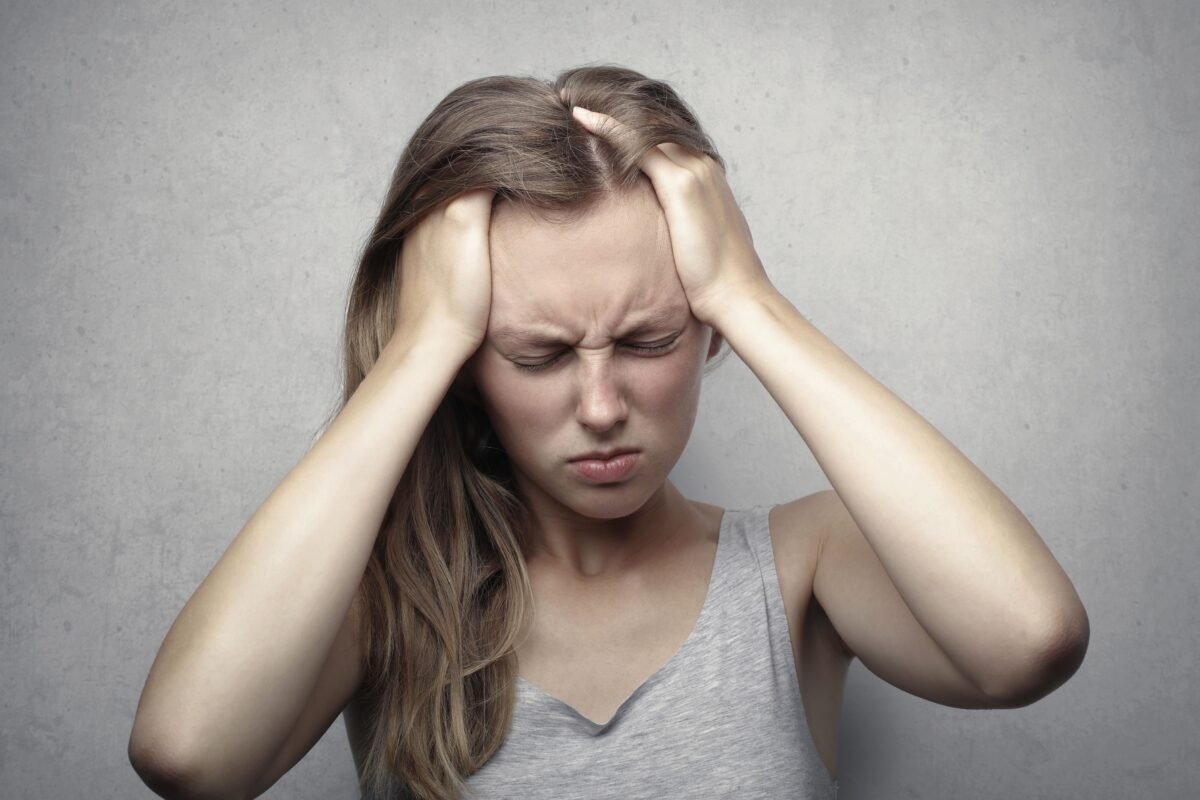
Anxiety is not “all in your head” in the sense of being imaginary. It involves real changes in the body.
When you feel threatened or scared, your body releases stress hormones such as adrenaline and cortisol. This is part of the fight-or-flight response, an ancient survival system that prepares you to face danger or escape from it. What Is Anxiety Your heart rate rises, your breathing speeds up, your muscles tense and your senses sharpen.
This system is helpful when there is real danger. The difficulty is that the brain can trigger the same response to non-physical worries, such as an email from your manager or a crowded room. What Is Anxiety The body prepares for action, but there is nothing to run from, so the sensations can feel confusing or frightening in themselves.
Understanding this does not make the feelings disappear, What Is Anxiety but many people find it reassuring to know that the sensations are a known stress response and not a sign that something is secretly wrong.
What Does Anxiety Feel Like?
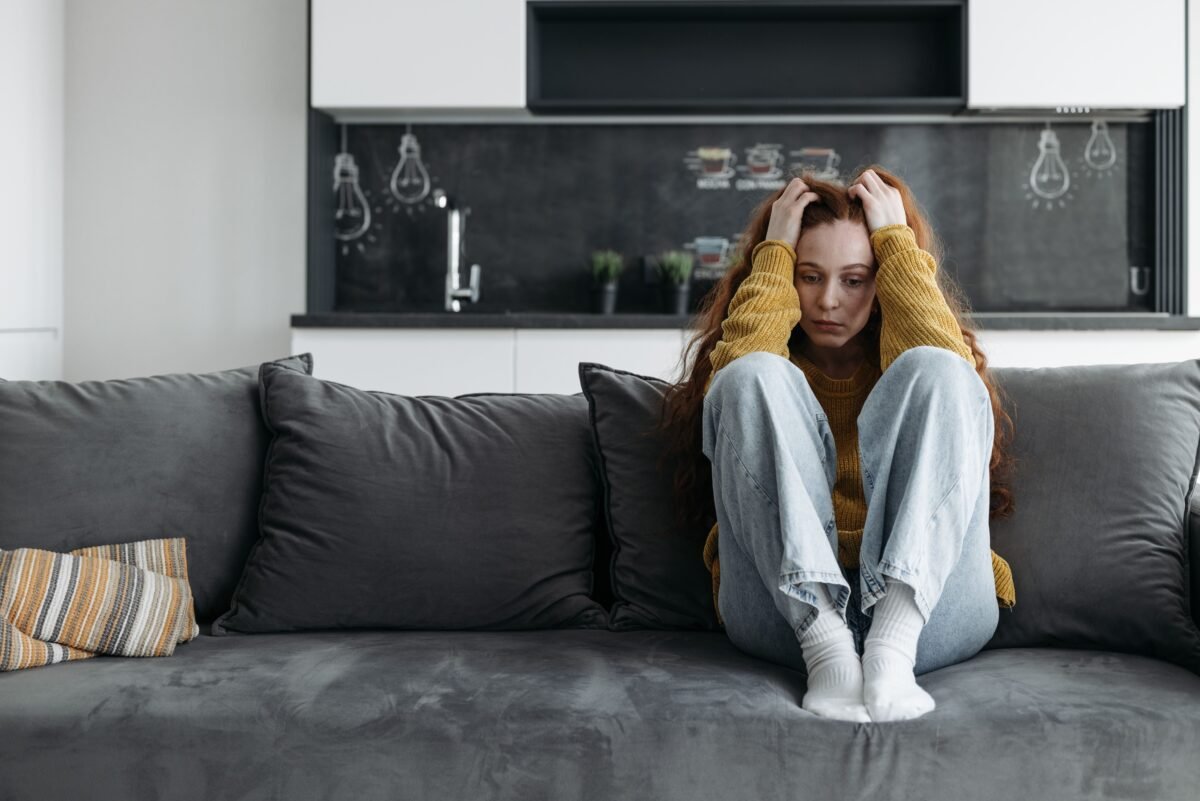
Anxiety looks different from person to person, and it can change from day to day. Symptoms generally fall into four groups.
Emotional signs
- Feeling nervous, restless or on edge
- A sense of dread or that something bad will happen
- Irritability
- Feeling overwhelmed or unable to relax
Thinking patterns
- Constant worrying that is hard to switch off
- Expecting the worst outcome
- Difficulty concentrating, or the mind “going blank”
- Replaying conversations or events, or rehearsing future ones
Physical sensations
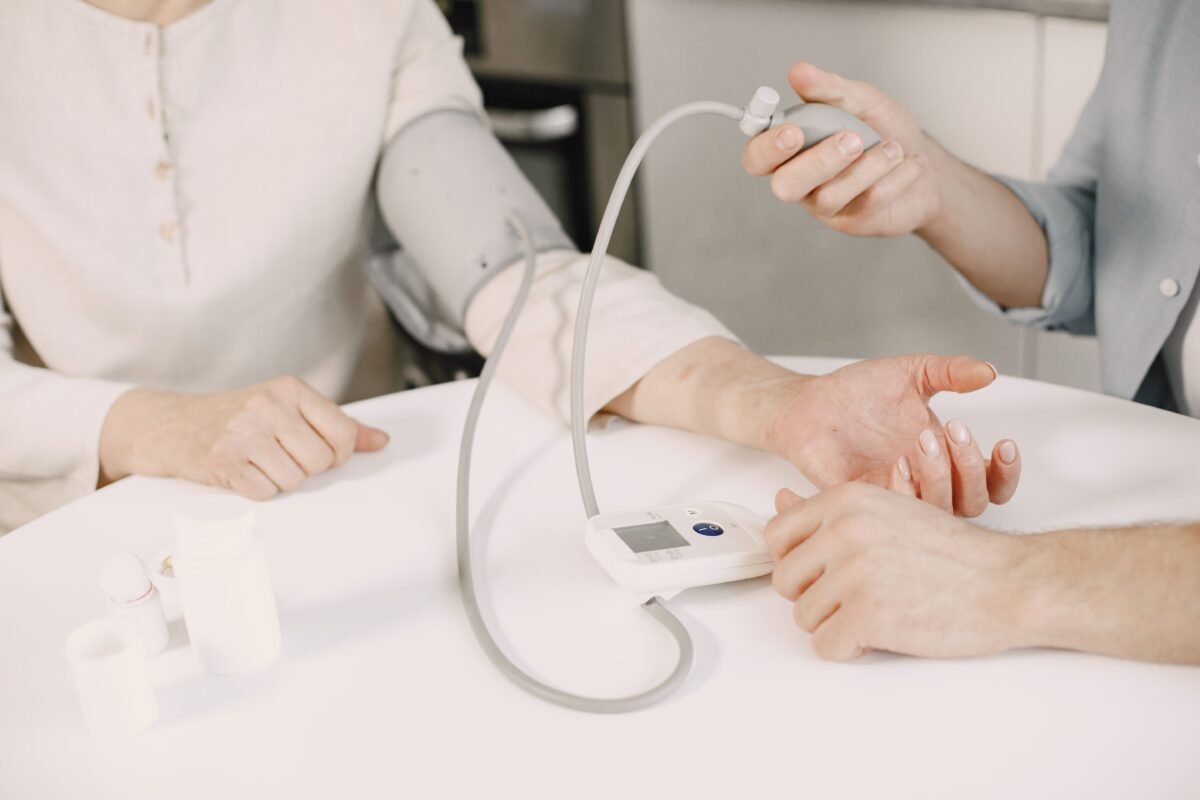
- Fast or pounding heartbeat
- Breathlessness or shallow breathing
- Dizziness or light-headedness
- Sweating, trembling or shaking
- Muscle tension, headaches or aches
- Nausea, stomach discomfort or changes in digestion
- Tiredness, and trouble falling or staying asleep
Behaviour changes
- Avoiding places, people or situations that trigger worry
- Seeking constant reassurance
- Procrastinating or struggling to make decisions
- Withdrawing from friends or activities
One caution: many of these physical symptoms can also be caused by medical conditions unrelated to anxiety. A fast heartbeat, dizziness or chest discomfort should never be assumed to be “just anxiety”. What Is Anxiety If you notice new or unexplained physical symptoms, a doctor can help work out the cause. If you have chest pain, difficulty breathing or feel very unwell, seek urgent medical help.
What Causes Anxiety?

There is rarely one single cause. Anxiety usually develops from a mix of factors, and what plays a part differs from person to person. What Is Anxiety Sometimes people cannot identify any clear reason at all, and that is common and not a sign that you are imagining it.
Factors that may contribute include:
- Life events and ongoing stress. Work pressure, money problems, relationship difficulties, bereavement, illness, major change or caring responsibilities.
- Difficult or traumatic experiences. Experiences in childhood or adulthood that left a person feeling unsafe can shape how the nervous system responds to threat.
- Family history and genetics. Anxiety can run in families, which suggests that some people may be more likely to develop it, though having a relative with anxiety does not mean you will.
- Brain chemistry and stress response. Differences in how brain areas linked to emotion and threat work may play a role, although research is still developing and no single “chemical cause” explains anxiety.
- Personality and thinking style. Some people are naturally more cautious or more prone to worry, and certain thought habits, such as expecting the worst, can keep anxiety going.
- Physical health. Long-term health conditions, chronic pain, hormonal changes and some medical issues can be linked with anxiety.
- Substances and lifestyle. Caffeine, alcohol, nicotine and some drugs can worsen anxiety or trigger anxious feelings. Poor sleep can also make anxiety harder to manage.
It is also worth saying what does not cause anxiety: weakness, laziness or a lack of willpower. What Is Anxiety Anxiety is a health experience, not a character flaw.
Normal Anxiety vs an Anxiety Disorder
This is the question many readers are really asking: “Is what I feel normal, or is something wrong?”
Only a qualified professional can answer that for an individual, What Is Anxiety but the following differences can help you think it through.
| Everyday anxiety | Possible anxiety disorder | |
| Trigger | Linked to a clear situation (exam, interview, move) | May be hard to link to any one thing, or out of proportion to the situation |
| Duration | Passes once the situation is over | Persists for weeks or months, or keeps returning |
| Intensity | Uncomfortable but manageable | Intense, hard to control or overwhelming |
| Impact | Does not stop you doing daily activities | Interferes with work, study, sleep, relationships or enjoyment |
| Avoidance | Little or occasional | Frequent avoidance that shrinks your life |
An anxiety disorder is a diagnosable mental health condition. Diagnosis involves a conversation with a doctor or mental health professional about your symptoms, how long you have had them and how they affect your life. What Is Anxiety They may also consider other health issues that could be contributing. A symptom checklist in an article, including this one, cannot do this for you.
The important message is that you do not need to wait until things feel unbearable to ask for help. What Is Anxiety If anxiety is affecting your daily life or causing you distress, that is reason enough to talk to a professional.
Common Types of Anxiety Disorders
Health services recognise several anxiety-related conditions. The names below are overviews only.
Generalised anxiety disorder (GAD). Ongoing worry about many different things, such as work, health, relationships or everyday matters, that is hard to control. What Is Anxiety It tends to be present on most days over a long period, and as soon as one worry settles, another may appear.
Panic disorder. Repeated, sudden episodes of intense fear (panic attacks), often with physical symptoms such as a racing heart, breathlessness, sweating, trembling or a feeling of losing control, along with worry about having another attack.
Social anxiety disorder. Intense fear of being judged, embarrassed or humiliated in social or performance situations, which can lead to avoiding them.
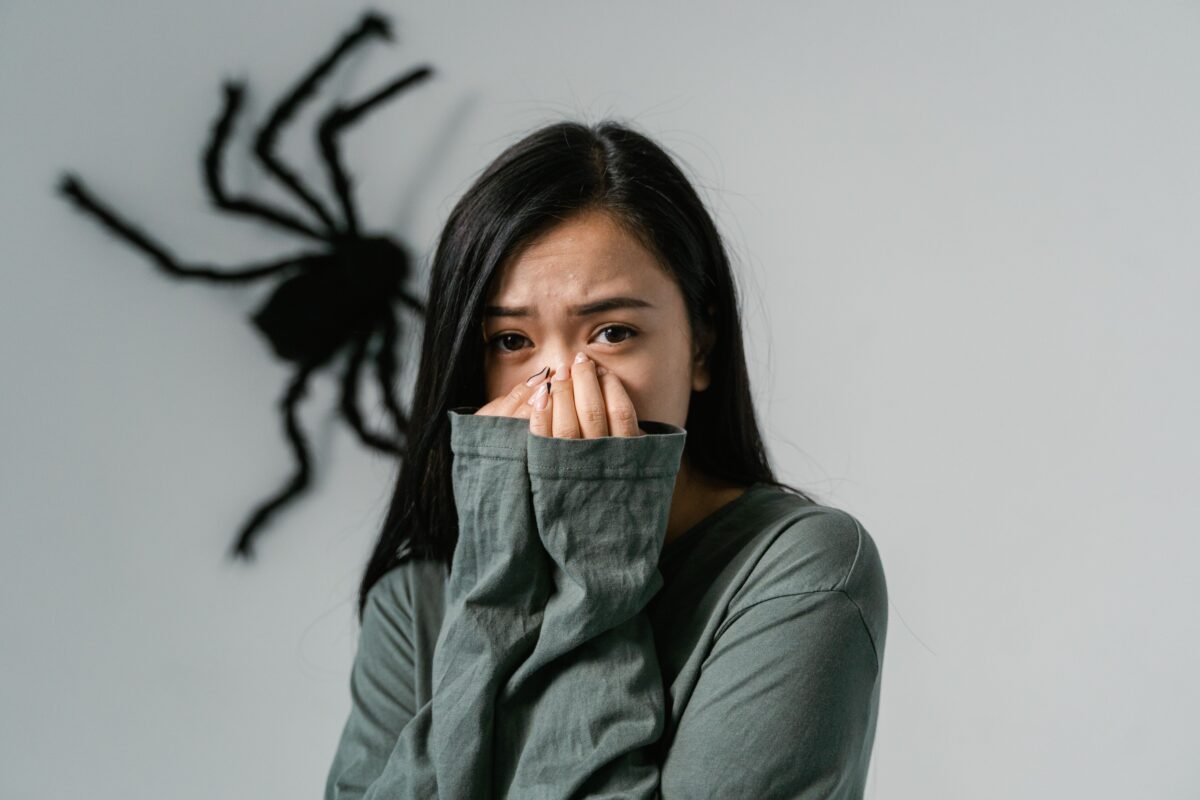
Specific phobias. Strong, overwhelming fear of a particular object, place or situation, such as heights, flying, animals or injections.
Agoraphobia. Fear of situations where escape might feel difficult or help unavailable, such as crowds, public transport or open spaces.
Some related conditions, such as post-traumatic stress disorder (PTSD) and obsessive-compulsive disorder (OCD), involve a lot of anxiety but are usually described separately by clinicians because their patterns and treatments differ. What Is Anxiety If any of these descriptions feel familiar, that is a reason to talk to a professional, not a diagnosis.
What Is a Panic Attack, and Is It the Same as Anxiety?

A panic attack is a sudden surge of intense fear or discomfort that usually peaks within minutes. It can involve a pounding heart, difficulty breathing, shaking, sweating, dizziness, chest tightness and a feeling that something terrible is happening. What Is Anxiety The experience can be very frightening, and some people fear they are having a heart attack.
Panic attacks are related to anxiety but are not the same thing. Anxiety tends to build gradually and last longer, while panic arrives quickly and intensely. What Is Anxiety Having a single panic attack does not necessarily mean you have panic disorder.
Because panic and heart or breathing problems can feel alike, first-time or unexplained chest pain should always be checked by a medical professional. What Is Anxiety If you ever feel that your symptoms may be an emergency, seek urgent help.
What Can Help You Cope With Anxiety?
Approaches that may help fall into two groups: things you can try yourself, and professional support. What Is Anxiety Neither is a guaranteed fix. People respond differently, and what helps one person may not help another. Self-help can sit alongside professional care and does not replace it when anxiety is persistent or severe.
Things you can try yourself
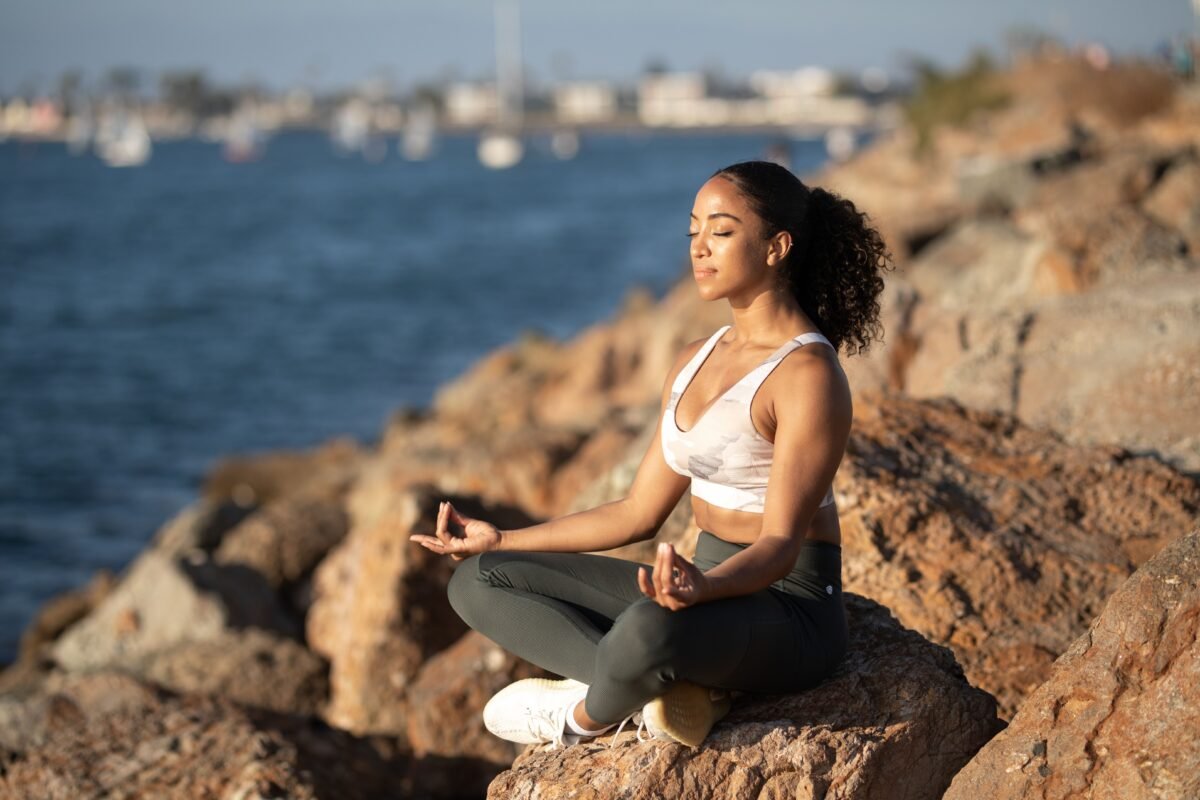
Slow your breathing. Breathing out for slightly longer than you breathe in can help calm the body’s alarm response for some people. What Is Anxiety Breathe in gently through the nose, then out slowly through the mouth, for a few minutes. If breathing exercises make you feel lightheaded or more anxious, stop and return to normal breathing.
Use grounding. Grounding brings attention back to the present moment. One common method is to notice five things you can see, four you can feel, three you can hear, two you can smell and one you can taste. What Is Anxiety Others include describing the room around you in detail or pressing your feet gently into the floor.
Move your body. Regular physical activity, such as walking, stretching, cycling or dancing, is associated with better mood and lower stress for many people. It does not need to be intense. Consistency matters more than effort.
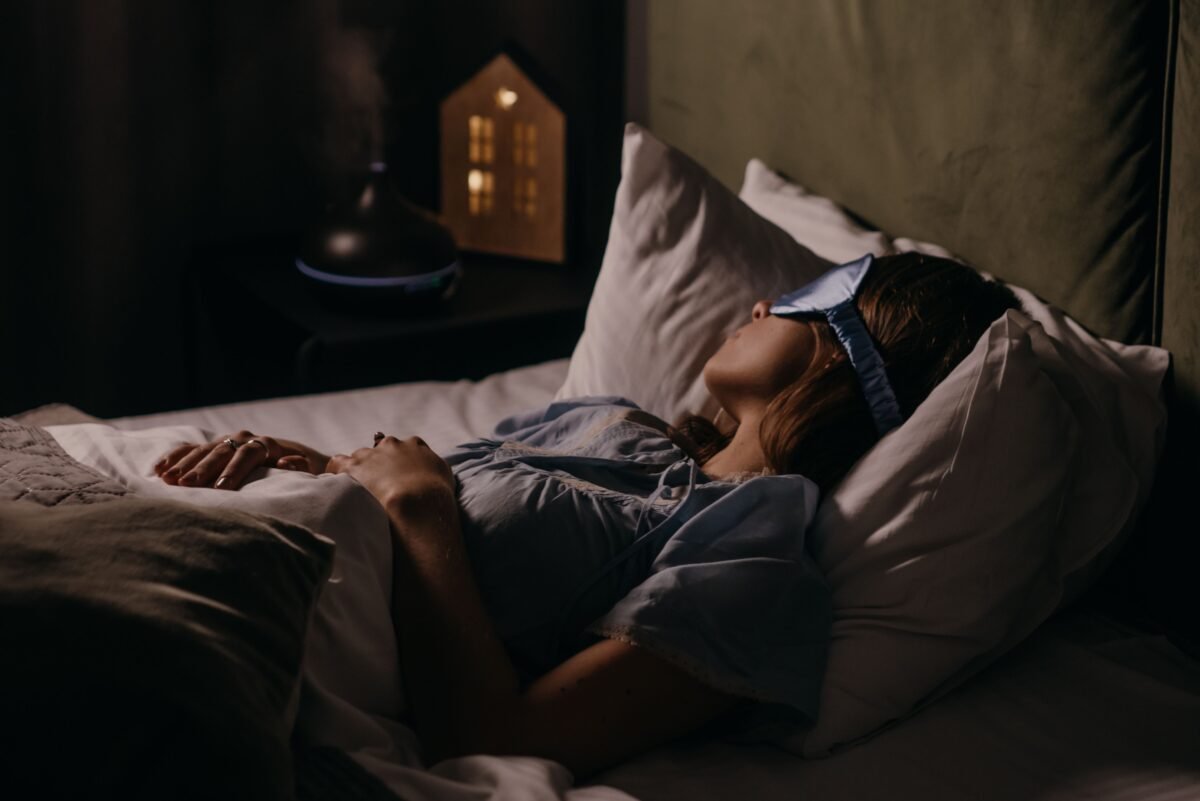
Protect your sleep. Anxiety and poor sleep feed each other. A regular sleep and wake time, a calm wind-down routine and keeping screens out of the last part of the evening may help.
Look at caffeine, alcohol and nicotine. Caffeine and nicotine can raise heart rate and make anxiety feel worse. Alcohol may seem to calm nerves at first, but it can disrupt sleep and increase anxiety afterwards. What Is Anxiety Relying on alcohol or other substances to cope can also create further problems, so it is worth being honest with yourself and a professional if this is happening.
Write it down. Putting worries on paper can make them feel more manageable. Some people set aside a short “worry time” each day to write concerns down, then try to leave them until the next session.
Break big tasks into small steps. Avoidance can make anxiety grow because it prevents you from learning that you can cope. Taking small, planned steps towards what you fear, at a pace that feels bearable, can help rebuild confidence. For intense fears or phobias, this works best with professional guidance.
Talk to someone you trust. Sharing how you feel with a friend, family member or support group can reduce isolation. You do not need to have the right words. “I have been feeling anxious lately” is enough to begin.
Be careful with quick fixes. Supplements, remedies and wellness products are often marketed as cures for anxiety. Evidence for many of them is limited or mixed, and some can interact with medicines or cause side effects. What Is Anxiety Speak to a doctor or pharmacist before starting anything new, particularly if you take other medication, are pregnant or breastfeeding, or have a health condition.
Professional support
If anxiety is persistent or affecting your life, a doctor or mental health professional can help you explore options. Depending on your needs and where you live, these may include:
- Talking therapies. Cognitive behavioural therapy (CBT) is one of the most commonly recommended therapies for anxiety. It helps people notice unhelpful thought and behaviour patterns and develop practical ways to respond to them. Other therapies may also be offered.
- Medication. In some cases, a doctor may discuss medication, either alone or together with therapy. Medicines have benefits and possible side effects, so this is a decision to make with a qualified prescriber, and you should not start or stop medication without their advice.
- Guided self-help and support groups. Structured programmes, online CBT courses and peer groups can be helpful, especially while waiting for other support.
- Review of other health factors. A doctor may check whether other conditions, medicines or lifestyle factors are contributing.
With the right support, many people are able to manage their anxiety well. Treatment can take time, progress is not always a straight line, and symptoms can return during stressful periods. What Is Anxiety That does not mean you have failed. It means managing anxiety is often an ongoing process, and returning to your support tools is part of it.
When Should You Seek Professional Help?
Consider speaking to a doctor or mental health professional if:
- Your anxiety is persistent, or has lasted for weeks or months
- It is getting worse over time
- You feel distressed most days
- It affects your work, study, relationships or ability to do everyday things
- You are avoiding more and more situations
- You have panic attacks
- Self-help is not enough
- You are using alcohol or other substances to cope
- You are unsure whether what you feel is anxiety or something else
You do not need to be “bad enough” to deserve support. Early help can make a difference, and a conversation with a professional can also help you rule out other causes.
If you need urgent help
If you feel you may harm yourself, have thoughts of ending your life, or believe you or someone else is in immediate danger, please contact your local emergency number straight away, or go to the nearest emergency department. You can also reach out to a crisis line in your country. What Is Anxiety If you are not sure where to start, the directory at findahelpline.com lists free, confidential helplines by country. If you can, tell someone you trust how you are feeling and ask them to stay with you while you get help.
You deserve support, and you do not have to cope with overwhelming thoughts alone.
How to Support Someone With Anxiety
If someone you care about is anxious, you do not need to fix it. A few approaches tend to help:
- Listen without judging. Let them describe how they feel without rushing to reassure or give advice.
- Avoid dismissive phrases. Comments such as “just relax” or “there is nothing to worry about” can feel invalidating, even when meant kindly.
- Ask what would help. Some people want company, others want practical help, and some want space.
- Do not push them into situations they fear. Gentle encouragement is fine, but forcing exposure can backfire.
- Encourage professional support. Offer to help find a doctor or therapist, or to go along to the appointment.
- Look after yourself too. Supporting someone is easier when you have your own support and boundaries.
Anxiety in Children and Teenagers
Children and teenagers can experience anxiety too, but they may not describe it in words. It can show up as stomach aches, headaches, trouble sleeping, clinginess, irritability, tantrums, avoidance of school or social situations, or constant reassurance-seeking.
If you are a parent or carer, listening calmly, naming feelings and offering predictable routines can help. If worry is frequent, intense or interfering with school, friendships or family life, speak to your child’s doctor, school counsellor or a child mental health professional. What Is Anxiety Children are not too young for support, and age-appropriate help exists. Adult advice should not be applied to children without professional guidance, since needs differ by age and development.
Common Myths About Anxiety
“Anxiety is just overthinking, so you can simply stop.” Anxiety involves both thoughts and the body’s stress response. It is not something most people can switch off by willpower alone.
“Anxious people are weak.” Anxiety affects people of all backgrounds and strengths. Many people living with anxiety show considerable resilience every day.
“Avoiding what scares you is the safest option.” Avoidance may bring short-term relief but often strengthens anxiety over time. Gradual, supported steps are generally more helpful than permanent avoidance.
“Anxiety always has an obvious cause.” Sometimes it does, and sometimes it does not. Not knowing why you feel anxious is common.
“Medication is the only treatment.” There are several options, including therapy and self-help. What is suitable depends on the person and should be discussed with a professional.
“If you have a panic attack, you are in danger.” Panic attacks are frightening but are not usually harmful in themselves. Still, new or unexplained symptoms should be checked by a doctor to rule out other causes.
Frequently Asked Questions About Anxiety
What is anxiety in simple words?
Anxiety is a feeling of worry, tension or fear about something that may happen. It is a normal reaction to stress, but it can become a problem when it is intense, long-lasting or interferes with daily life.
Is anxiety a mental illness?
Feeling anxious is a normal human emotion. Anxiety disorders are recognised mental health conditions that can be diagnosed by a professional. Experiencing anxiety does not mean you have a disorder.
What are the most common symptoms of anxiety?
Common ones include constant worry, restlessness, difficulty concentrating, sleep problems, irritability, a racing heart, muscle tension and stomach discomfort. Symptoms vary, and many can have other causes, so a doctor can help clarify them.
What causes anxiety?
Usually a mix of factors, such as stressful life events, past experiences, family history, health conditions, personality and lifestyle. Often there is no single clear cause.
How do I know if my anxiety is serious?
Consider how long it lasts, how intense it is and whether it affects your daily life. If it is persistent, distressing or limiting what you do, speak to a professional.
Can anxiety go away?
For many people, anxiety can be managed and symptoms can improve with support, and some people recover fully. For others, it may come and go during stressful times. A professional can discuss what to expect in your situation.
What helps with anxiety quickly?
Slow breathing, grounding, a short walk or talking to someone can help some people in the moment. These are coping tools, not cures, and persistent anxiety deserves proper support.
Can anxiety cause physical symptoms?
Yes. Anxiety can cause a fast heartbeat, shaking, sweating, dizziness, nausea and muscle tension, among others. However, similar symptoms can have medical causes, so get unexplained or severe symptoms checked.
What is the difference between anxiety and stress?
Stress is a reaction to external pressure and usually eases when the pressure does. Anxiety is a feeling of worry or fear that can continue even when no obvious stressor is present.
What is the difference between anxiety and a panic attack?
Anxiety tends to build and linger, while a panic attack is a sudden, intense surge of fear that usually peaks within minutes.
Final Thoughts
Anxiety is one of the most common human experiences, and it is not a sign of weakness. In small amounts it protects and prepares us. When it becomes constant, overwhelming or limiting, it deserves attention and care, just like any other health concern.
If you take one thing from this guide, let it be this: you do not have to figure it out alone. Understanding what anxiety is can help you recognise it, but a doctor or qualified mental health professional can look at your own situation and help you find support that fits. Reaching out is a sensible, courageous step, and help is available.