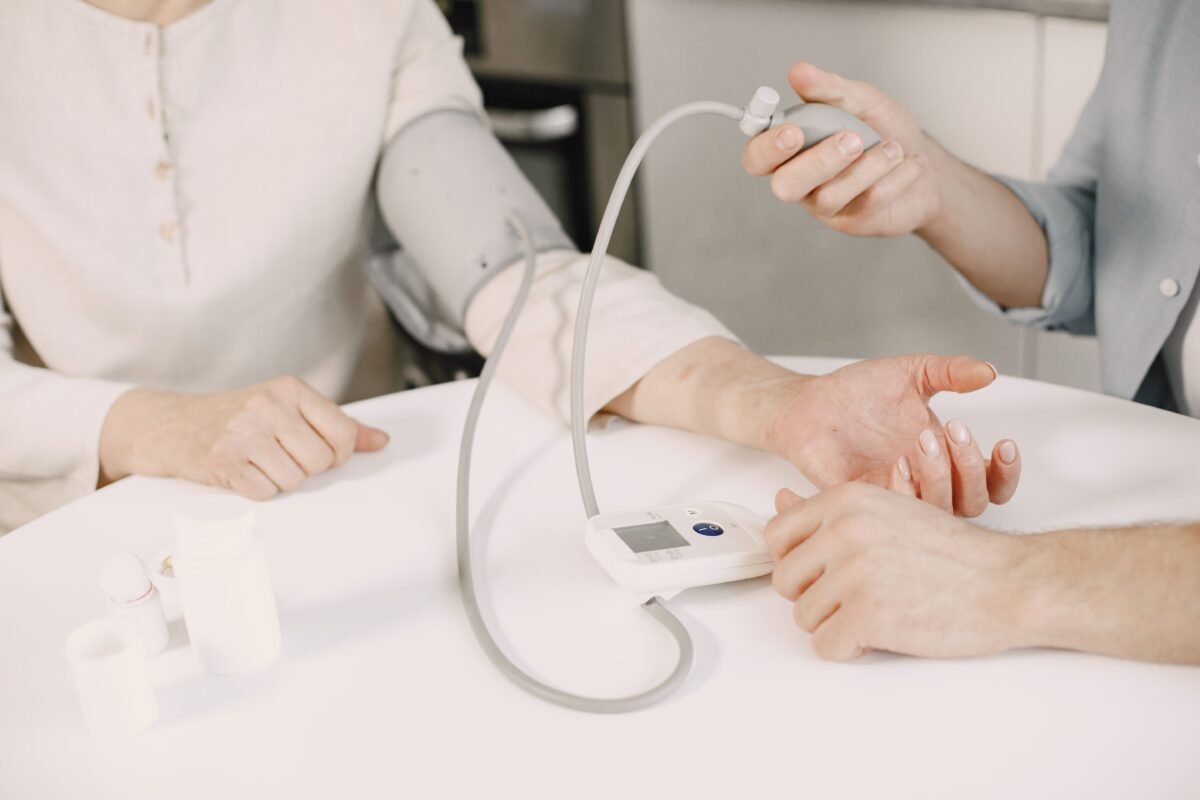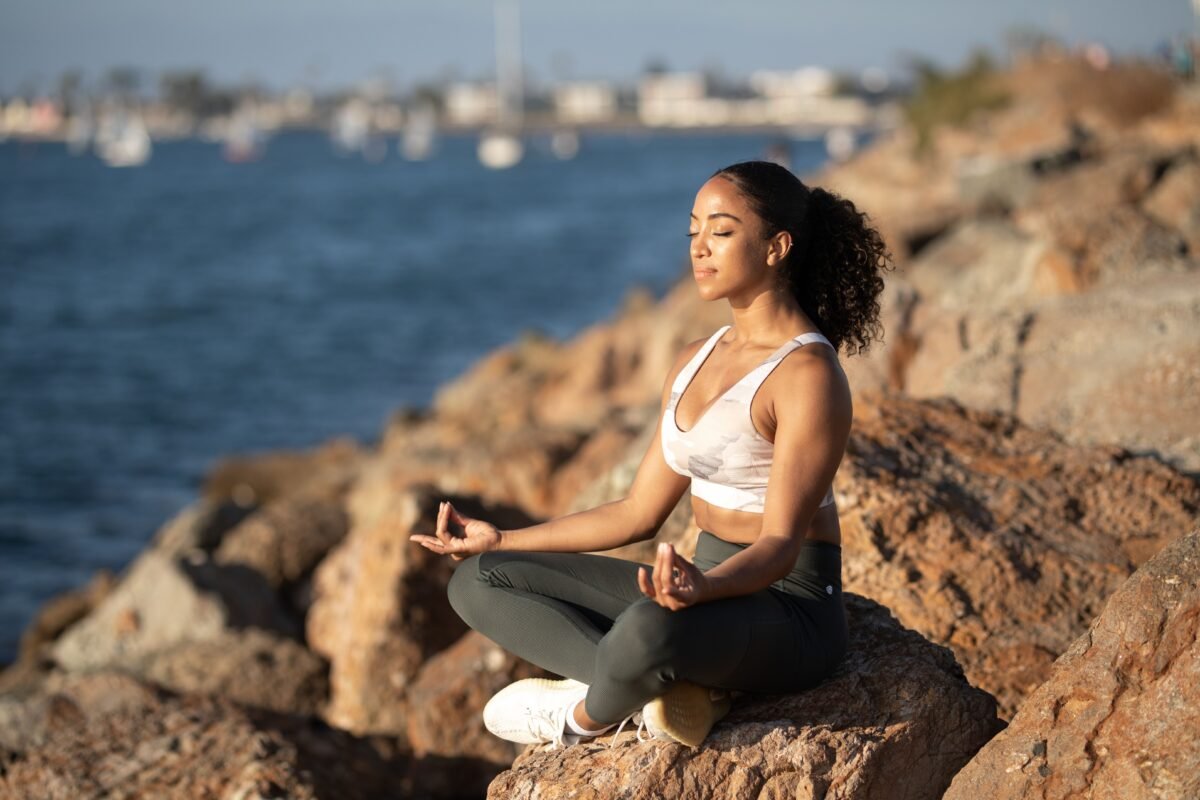
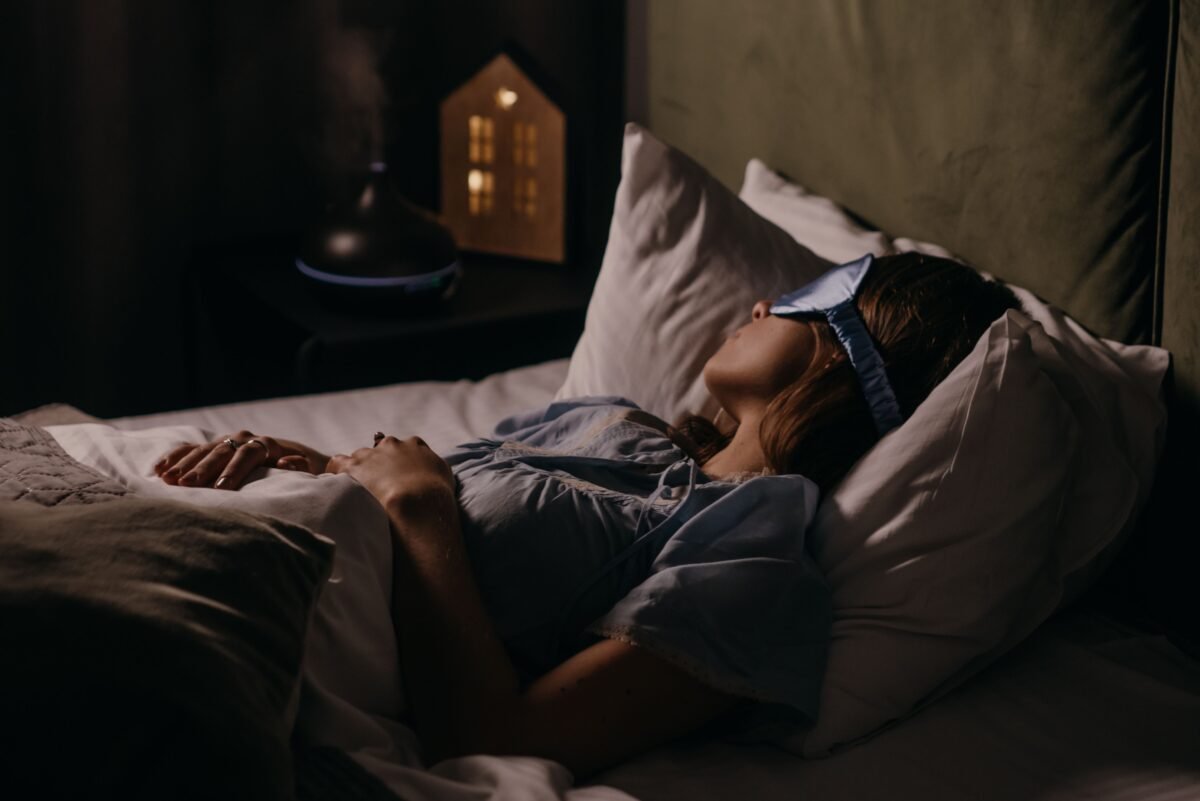
How to Sleep Better at Night:
To sleep better at night, keep a regular sleep and wake time, get daylight and activity during the day, limit caffeine and alcohol, wind down before bed, and keep your bedroom dark, quiet and comfortable. If you cannot sleep, get up and do something calm until you feel sleepy. How to Sleep Better at Night If problems last for weeks or you suspect a sleep disorder, see a doctor.
Those habits are the foundation of what clinicians call sleep hygiene, and they help many people. They are not a guarantee. Sleep needs, body clocks and circumstances differ, and some problems, such as chronic insomnia or sleep apnoea, need professional help that tips alone cannot replace. How to Sleep Better at Night This guide gives you a realistic plan, explains why each habit matters, and shows you what to do when things go wrong.
Start Here: 3 Changes to Try This Week
A long list of advice can feel overwhelming, so begin with the three changes that tend to matter most for most people.
- Fix your wake-up time. Get up at about the same time every day, including weekends. A steady wake time anchors your body clock more reliably than a fixed bedtime.
- Protect the last hour before bed. Dim the lights, put work and stressful tasks away, and do something calm. This helps your mind switch from “on” to “off”.
- Cut off caffeine earlier and go easy on alcohol. Move your last coffee, tea or energy drink to the morning or early afternoon, and avoid using alcohol to fall asleep.
Practise these for one to two weeks before adding anything else. If you improve, you have a base to build on. How to Sleep Better at Night If not, the later sections will help you work out what else might be going on.
How Much Sleep Do You Need?
Most adults function best on about seven to nine hours of sleep a night, although individual needs vary. How to Sleep Better at Night Some people feel fine at the lower end, and others need more. Older adults often sleep more lightly and in shorter stretches, and teenagers and children need more sleep than adults.
A better test than a number is how you feel. You are probably getting enough sleep if you wake feeling reasonably refreshed, stay alert through the day without heavy caffeine, and do not fall asleep unintentionally. How to Sleep Better at Night Regularly sleeping much less than you need is linked with poorer mood, concentration and long-term health, so it is worth taking seriously.
It is also normal to have an occasional bad night. One poor night rarely causes lasting harm, and worrying about it can make things worse.
12 Tips on How to Sleep Better at Night
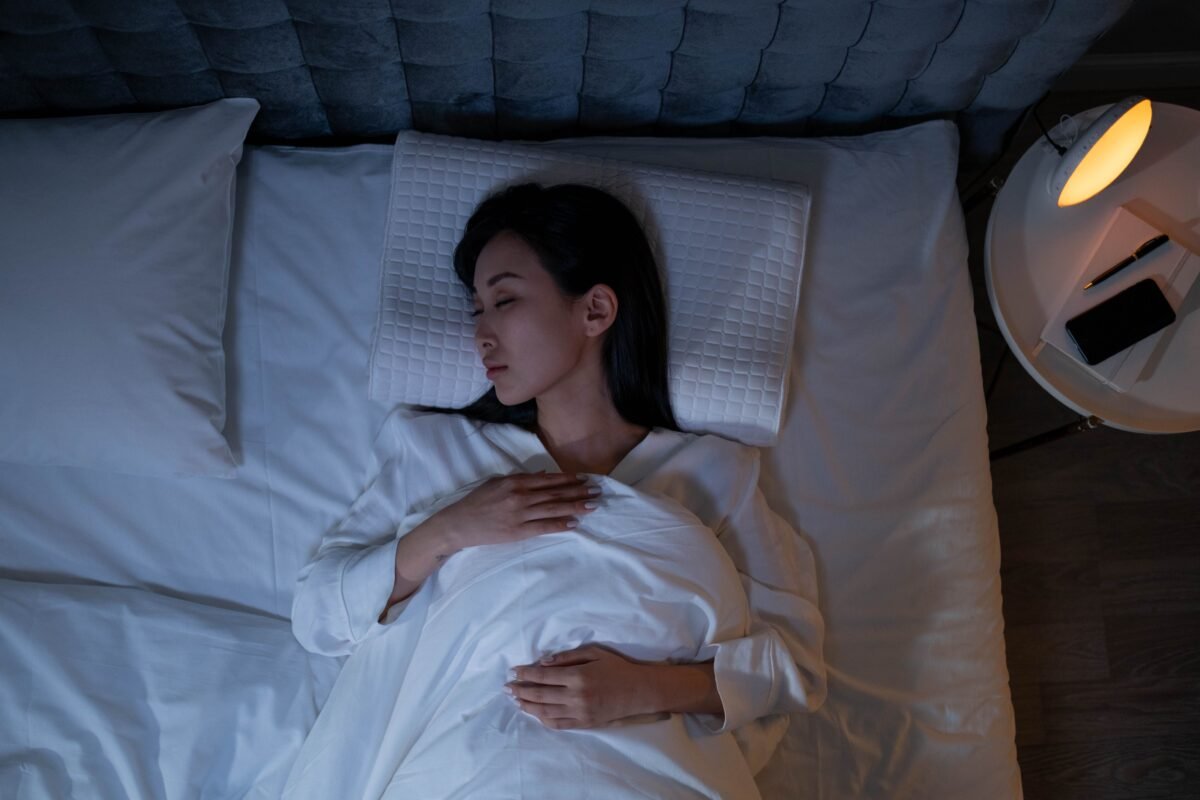
These tips are grouped by when they apply, so you can see where to focus.
Daytime habits
1. Keep a consistent sleep and wake schedule
Your body runs on a roughly 24-hour internal clock (the circadian rhythm) that affects sleepiness, alertness, temperature and hormones. How to Sleep Better at Night Going to bed and waking at similar times each day helps that clock stay in sync, which can make falling asleep and waking easier.
Try to keep your weekend schedule within an hour or so of weekdays. How to Sleep Better at Night If you need to shift your schedule, change it gradually in small steps, such as 15 to 30 minutes at a time, rather than all at once.
2. Get daylight, especially in the morning
Light is the strongest signal for your body clock. Morning daylight helps tell your body that the day has started and can support sleepiness later at night. How to Sleep Better at Night Aim to get outside soon after waking, even on cloudy days, because outdoor light is much brighter than most indoor light.
If you work indoors, sit near a window or take a short walk at lunch. How to Sleep Better at Night People who work night shifts or live in places with little winter daylight may need a more tailored approach, which is covered in the troubleshooting section below.
3. Move your body
Regular physical activity is associated with better sleep for many people. A daily walk counts. How to Sleep Better at Night Some people find vigorous exercise very close to bedtime makes it harder to wind down, while others do not, so notice how your own body responds and adjust timing accordingly.
4. Watch caffeine, nicotine and alcohol
- Caffeine blocks the signals that build sleepiness, and it can stay active in the body for many hours. How to Sleep Better at Night Many people sleep better when they stop caffeine by early afternoon, and sensitive people may need to stop earlier. Remember that caffeine is also in tea, chocolate, cola and some medicines.
- Nicotine is a stimulant, and smoking or vaping close to bedtime can make it harder to fall and stay asleep.
- Alcohol may make you feel drowsy, but it tends to fragment sleep, causes more waking later in the night and can worsen snoring and breathing problems. It is not a reliable sleep aid.
5. Eat and drink sensibly in the evening
A heavy, spicy or very late meal can cause discomfort or reflux when you lie down, while going to bed very hungry can also disturb sleep. How to Sleep Better at Night A light snack is fine if you need one. Drinking large amounts of fluid close to bedtime can mean extra trips to the bathroom, so taper in the evening if this affects you.
6. Use naps carefully
A short nap of 20 to 30 minutes earlier in the day can help with alertness. Long or late naps, though, can reduce your sleep drive at night. How to Sleep Better at Night If you struggle to sleep at night, try cutting naps for a couple of weeks and see whether it helps. If you need a nap because you are exhausted every day, that is a sign to look at why.
In the hour or two before bed
7. Build a relaxing wind-down routine
A predictable routine signals to your brain that sleep is coming. Start 30 to 60 minutes before bed and choose calming activities that you actually enjoy, such as:
- Reading something light
- Gentle stretching
- A warm shower or bath
- Quiet music or a podcast
- Writing a to-do list for tomorrow
- A short mindfulness or breathing exercise
Keep the routine the same each night so it becomes a cue. Avoid stressful tasks, work emails and arguments late in the evening, where possible.
8. Reduce bright light and screens
Bright light in the evening, especially from screens held close to your face, can delay your body clock and keep your mind engaged. How to Sleep Better at Night Dimming lights and putting devices away in the last hour or so before bed may help. If you do use a phone or tablet, lower the brightness and avoid exciting or stressful content like social media arguments, news or work.
Note that the content of what you watch may matter as much as the light itself. A stressful message can keep you awake more than the glow of the screen.
9. Handle stress and racing thoughts
Many people find it is not their body that stops them sleeping but their mind. Try these options:
- Brain dump. Spend five to ten minutes earlier in the evening writing down worries and tasks, and what you will do about them. This can make it easier to let go at night.
- Schedule worry time. Set aside a short period earlier in the day to think about concerns, so they have a place that is not your pillow.
- Slow breathing. Breathe in gently and out slowly for a few minutes. If it makes you more anxious or lightheaded, stop and return to normal breathing.
- Body relaxation. Slowly tense and release muscle groups from your feet up to your face.
- Mindfulness. Observing thoughts without arguing with them can reduce their grip for some people.
If anxiety or low mood is a regular feature of your nights, it is worth talking to a healthcare professional, because treating those problems often improves sleep.
Your bedroom
10. Make your bedroom dark, quiet, cool and comfortable
- Dark. Use blackout curtains or an eye mask if streetlights or early sunrise disturb you, and cover small bright standby lights.
- Quiet. Use earplugs, a fan or steady background noise if you live somewhere noisy. A consistent sound can mask sudden noises.
- Cool. Most people sleep better in a slightly cool room with breathable bedding than in a warm one. Adjust layers rather than aiming for a specific number.
- Comfortable. A supportive mattress and pillow that suit you matter, and replacing old bedding can help.
- Reserved for sleep. Try to use your bed mainly for sleep and intimacy, not for working, scrolling or watching TV, so your brain links the bed with sleep.
When sleep does not come
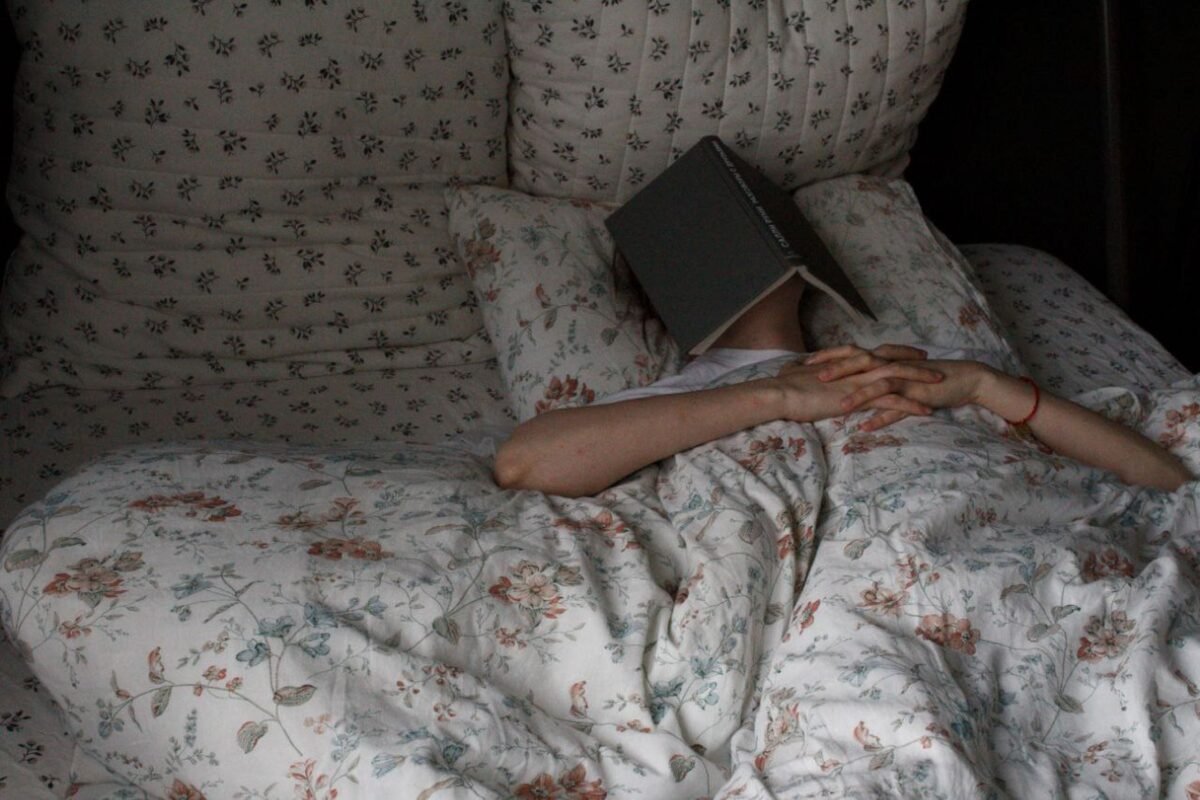
11. If you cannot sleep, get up for a while
Lying awake for a long time and getting frustrated can teach your brain to associate bed with wakefulness. How to Sleep Better at Night If you have been awake for what feels like about 20 minutes, get up, go to another dimly lit room and do something calm and boring, such as reading a paper book or listening to quiet audio. Return to bed only when you feel sleepy. Repeat if necessary.
Avoid watching the clock, because checking the time tends to raise stress and makes it harder to fall asleep. Turn the clock away from you.
Do not try to force sleep. How to Sleep Better at Night Trying harder to sleep usually backfires, because sleep happens when you let go of effort. Accepting rest as valuable, even if you do not sleep, often takes the pressure off.
12. Keep a simple sleep diary
If sleep has been a problem for more than a couple of weeks, record what happens for one to two weeks. How to Sleep Better at Night It helps you spot patterns, and a doctor can use it too. A basic diary can include:
| What to record | Example |
| Time you got into bed | 10:45 pm |
| Roughly how long it took to fall asleep | About 40 minutes |
| Number and length of wake-ups | Twice, about 20 minutes each |
| Time you woke and got up | 6:30 am |
| How rested you felt (1 to 5) | 2 |
| Caffeine and alcohol (what and when) | Coffee at 3 pm |
| Naps | 30 minutes at 4 pm |
| Exercise | 30-minute walk |
| Notes | Stressful evening, noisy neighbours |
Estimates are fine. You are looking for patterns, not perfection. If you find yourself becoming anxious about the numbers, stop tracking and simply focus on how you feel.
Troubleshooting: Common Sleep Problems and What to Try
Generic tips do not fit everyone, so here is a practical guide to specific situations. How to Sleep Better at Night These are starting points, not diagnoses.
| Problem | Possible contributors | What you can try |
| Racing thoughts at bedtime | Stress, unfinished tasks, worry | Evening brain dump, scheduled worry time, a calming routine, and relaxation or mindfulness practice |
| Waking in the night and struggling to return to sleep | Stress, alcohol, noise, light, temperature, needing the toilet, health conditions | Avoid clock-watching, get up after about 20 minutes if still awake, check evening alcohol and fluids, review bedroom conditions |
| Waking very early | Light, stress, low mood, body clock changes | Keep the room dark, keep a regular schedule, and speak to a doctor if it comes with low mood or lasts |
| Shift work or irregular hours | Body clock out of step with schedule | Keep a consistent sleep routine on work days where possible, use bright light during work and dark, quiet conditions for sleep, and limit caffeine late in the shift. Ask a doctor for advice if it is hard to manage |
| Noisy or hot room | Environment | Earplugs, white noise or a fan, lighter bedding, ventilation |
| Feeling tired but unable to sleep | Irregular schedule, too much time in bed, evening stimulation | Fix your wake time, avoid long naps, and limit time in bed to the time you actually sleep |
| Jet lag or travel | Body clock mismatch | Get daylight at the right time in the new place and shift your schedule gradually where possible |
| Snoring, gasping or choking at night | Possible sleep apnoea | Speak to a doctor. Do not self-treat. See the next section |
| Restless legs or an urge to move at night | Possible restless legs syndrome or other causes | Talk to a doctor, who may check for treatable causes |
| Pain or discomfort at night | Health conditions | Discuss with a healthcare professional |
Sleep Hygiene vs CBT for Insomnia: What Is the Difference?
Most tips on how to sleep better at night, including those above, fall under sleep hygiene: habits and environment that support healthy sleep. How to Sleep Better at Night For occasional poor sleep or mild difficulty, they are often useful.
Chronic insomnia, however, is different. It involves trouble falling or staying asleep that happens regularly and affects daytime life, and it is often defined as occurring at least a few nights a week for three months or longer. How to Sleep Better at Night For that, sleep hygiene alone is typically not enough.
The recommended first-line treatment for chronic insomnia in major guidelines is cognitive behavioural therapy for insomnia (CBT-I). This is a structured, short-term programme, usually delivered over several weeks, that targets the thoughts and behaviours that keep insomnia going. It commonly includes:
- Stimulus control, which retrains your brain to link the bed with sleep.
- Sleep restriction or sleep scheduling, which carefully adjusts the time you spend in bed to strengthen sleep drive.
- Cognitive work, which addresses unhelpful beliefs and worries about sleep.
- Relaxation training.
- Sleep education and hygiene.
CBT-I may feel demanding at first, particularly the scheduling changes, so it is best done with a trained professional or a well-designed, evidence-based programme. How to Sleep Better at Night Some people find digital CBT-I helpful, and in some places it is available through health services. It usually takes a few weeks to see benefit. Research suggests it can be effective and often has longer-lasting effects than sleeping pills, though results vary.
What About Sleep Aids, Supplements and Medication?
Many people reach for something in a bottle before changing habits, so it is worth being clear about what is known. How to Sleep Better at Night The right choice depends on your health, age and other medicines, so talk to a doctor or pharmacist before starting anything.
| Option | What to know | Cautions |
| Melatonin | A hormone involved in the body clock. Better evidence for timing problems such as jet lag and shift work than for general insomnia. Evidence for general insomnia is limited | Quality and strength of supplements vary by product and country. Side effects and interactions are possible. Ask a professional, especially if you are pregnant, breastfeeding, have a health condition or take other medicines, or are giving it to a child |
| Over-the-counter sleep aids (often antihistamines) | May cause drowsiness | Can cause next-day grogginess, dry mouth, confusion and other side effects, especially in older adults. Tolerance can develop. Not suited to long-term use |
| Herbal remedies and supplements (e.g., valerian, others) | Evidence is limited or mixed, and quality varies | “Natural” does not mean risk-free. They can interact with medicines |
| Prescription sleep medicines | May help in certain situations, usually for short periods | Have risks, including dependence and daytime impairment. Decision should be made with a prescriber, and they are generally not the first choice for chronic insomnia |
| Alcohol | May make you drowsy at first | Disrupts sleep later in the night. Not recommended as a sleep aid |
If you have been relying on sleep medication, do not stop suddenly without advice, because some medicines need a gradual reduction.
When Should You Seek Professional Help for Sleep Problems?
See a doctor or sleep specialist if:
- Trouble sleeping has lasted for several weeks or longer, or is happening most nights
- You feel very sleepy during the day, or fall asleep unintentionally
- You snore loudly, stop breathing, gasp or choke during sleep (someone may notice this)
- You have strong urges to move your legs at night
- You act out dreams, sleepwalk or have unusual behaviours during sleep
- You wake with headaches, a dry mouth or unrefreshing sleep
- Low mood, anxiety or other mental health symptoms are affecting your sleep
- You rely on alcohol, sedatives or other substances to sleep
- Sleep problems are affecting your work, safety, relationships or health
Do not drive or use machinery if you are very drowsy. Drowsy driving is dangerous, and persistent sleepiness behind the wheel is a reason to seek help promptly.
A professional can look for causes such as sleep apnoea, restless legs, medication effects, pain, hormonal changes, anxiety or depression, and discuss options such as CBT-I. How to Sleep Better at Night If you feel you may harm yourself or are in a mental health crisis, contact your local emergency number, or visit findahelpline.com for free, confidential helplines by country.
Sleep Through Different Life Stages
Sleep changes over a lifetime, and advice differs accordingly.
- Older adults. Sleep is often lighter and more broken, and daytime napping can be more common. Medical conditions and medicines can affect sleep, so it is worth reviewing them with a doctor. Sedating medicines are generally approached with caution in older people.
- Teenagers. Body clocks tend to shift later during adolescence, and early school start times can leave teens short on sleep. Consistent schedules, daylight and limited late-night screen use help, though more sleep may simply be needed.
- Pregnancy and postpartum. Discomfort, hormonal changes and night-time waking are common. Talk to a midwife or doctor before using supplements or medicines, and raise any concerns about snoring or restless legs.
- Menopause and perimenopause. Night sweats and hormonal changes can disrupt sleep. A doctor can discuss options.
- Children. Needs and routines differ by age, so ask a paediatrician for age-specific guidance. Adult advice should not simply be applied to young children.
Should You Use a Sleep Tracker?
Wearables and apps can show patterns, such as how regular your schedule is, but they are not medical-grade diagnostic tools, and their estimates of sleep stages are approximate. How to Sleep Better at Night Some people become anxious about their scores, which can make sleep worse. Use trackers as a rough guide at most. How you feel in the day matters more than a number, and if you are worried about your sleep, a clinician is better placed to assess it.
Common Myths About Sleep
“Everyone needs exactly eight hours.” Needs vary between people and across life stages. Most adults do well on around seven to nine hours.
“You can fully catch up on weekends.” Extra rest can help a little, but big swings in schedule can disturb your body clock and leave you feeling worse on Monday.
“A nightcap helps you sleep.” Alcohol may help you drop off but usually worsens sleep quality overall.
“If I can’t sleep, I should stay in bed and try harder.” Long periods of frustrated wakefulness in bed can strengthen insomnia. Getting up for a while is often better.
“Lying in bed with eyes closed is as good as sleep.” Resting is helpful, but it is not the same as sleep. It can still lower stress, so do not panic about it.
“I’ll be useless tomorrow if I don’t sleep tonight.” After a poor night, most people feel tired but get through the day. Catastrophising about the consequences makes insomnia worse.
“Natural sleep aids are always safe.” Natural does not mean risk-free. Check with a pharmacist or doctor.
Frequently Asked Questions About Sleeping Better
How can I sleep better at night naturally?
Keep a regular schedule, get daylight, be active, limit caffeine and alcohol, wind down before bed and make your bedroom dark, quiet and comfortable. These habits help many people, though they may not be enough for chronic insomnia.
What is the fastest way to fall asleep?
There is no guaranteed method. Calming your body and mind, for example with a wind-down routine, slow breathing or muscle relaxation, can help. Trying too hard to sleep tends to backfire. If you are still awake after about 20 minutes, get up and do something calm until you feel sleepy.
How many hours of sleep do adults need?
Most adults do best with about seven to nine hours, though needs vary. How refreshed you feel in the day is a useful guide.
Does using a phone before bed affect sleep?
It can. Bright light may delay your body clock, and stimulating content can keep your mind active. Dimming lights and putting devices away in the last hour or so before bed often helps.
Does caffeine in the afternoon affect sleep at night?
For many people, yes. Caffeine can stay active in the body for many hours, so an afternoon or evening dose may interfere with falling or staying asleep. Sensitivity differs from person to person.
What should I do if I wake up in the middle of the night?
Avoid checking the clock, keep lights low and stay calm. If you are still awake after about 20 minutes, get up and do something quiet in dim light, then return to bed when sleepy.
Are naps bad for nighttime sleep?
Short early-afternoon naps are fine for many people. Long or late naps can make it harder to sleep at night.
Is it normal to wake up during the night?
Brief awakenings are a normal part of sleep, and you often do not remember them. Frequent or long awakenings that leave you tired deserve attention.
Can exercise help me sleep better?
Regular activity is linked with better sleep for many people. Notice whether intense exercise close to bedtime affects you personally.
Is melatonin safe to take every night?
Evidence and safety depend on the person, product and dose, and supplement quality varies. Speak to a doctor or pharmacist before using it regularly, especially if you are pregnant, take other medicines or are giving it to a child.
What is CBT-I?
Cognitive behavioural therapy for insomnia is a structured programme that changes the thoughts and habits that maintain insomnia. It is the recommended first-line treatment for chronic insomnia in adults.
When should I talk to a doctor about sleep problems?
If problems last for weeks, affect your daytime functioning, or come with loud snoring, breathing pauses, severe sleepiness, restless legs or low mood.
Final Thoughts
Sleeping well is less about one perfect trick and more about steady habits that work with your body clock: a regular wake time, daylight, a calm evening and a bedroom that supports rest. Start with the three changes at the top of this article, give them a couple of weeks, and keep a simple diary to see what helps.
Remember, too, that you do not have to fix everything alone. If your sleep problems are persistent, severe or come with symptoms such as loud snoring or heavy daytime sleepiness, a doctor can look for causes and offer proven treatments such as CBT-I. Good sleep is a health basic, and asking for help is a sensible step.