
Most people only think about their health when something hurts. Preventive care flips that habit around. what is preventive care Instead of waiting for symptoms, it gives you a planned way to lower your risks, catch certain conditions early, stay current on vaccines, and keep track of your overall wellness.
If you have ever searched “what is preventive care” and found conflicting answers, you are not alone. Is an annual physical the same thing? Which screenings do you actually need? Does insurance pay for them? This guide answers those questions in plain language and shows how preventive healthcare fits into real life.
One point matters before anything else: there is no single checklist that suits every adult. what is preventive care Age, sex, pregnancy status, family history, medications, lifestyle, and earlier test results all change what is appropriate for you.
What Is Preventive Care?
Preventive care is healthcare designed to stop illness before it starts, find potential problems early, reduce health risks, and limit the damage of chronic disease. what is preventive care It covers checkups, screenings, vaccinations, health assessments, and counseling about healthy behaviors.
The Centers for Medicare & Medicaid Services (CMS) describes preventive care as including screenings, vaccines, checkups, and patient counseling. Its goals are to prevent illness, detect trouble early, and soften the impact of long-term conditions.
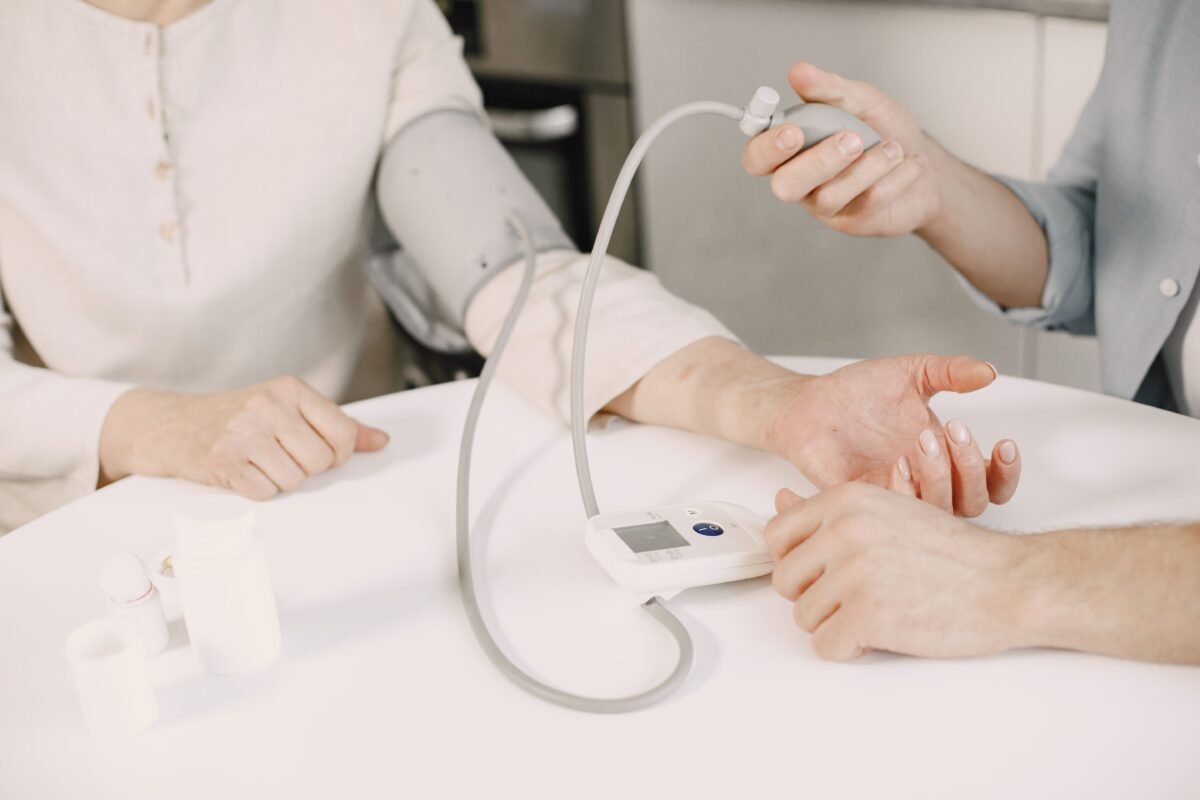
A simple way to picture it: treatment responds to a problem that already exists, while preventive health work happens ahead of time. what is preventive care Checking your blood pressure before you notice any symptoms is a good example. If the reading is high, you and your clinician can look into it sooner rather than later.
What Is Preventive Care in Simple Terms?
Think of it as planned healthcare that helps you understand and manage your health before something becomes serious. It has three broad aims:
- Preventing disease. Vaccines and certain counseling programs can lower your chance of getting sick in the first place.
- Finding problems early. Screening tests can pick up some conditions or risk factors before symptoms appear.
- Managing risk. A clinician can help you spot risks you can change, such as tobacco use or low activity, and plan realistic steps.
Preventive care is not a guarantee. People who do everything right can still become ill. The real promise is risk reduction and earlier action, not perfect health.
Preventive Care vs. Diagnostic Care and Treatment
These three categories sometimes use the same tests, which is why they get confused.
- Preventive care aims to reduce future risk or look for certain conditions in people without symptoms.
- Diagnostic care investigates a symptom, an abnormal result, or another specific concern.
- Treatment addresses a condition, injury, or disease that has already been identified.
A blood test done as part of a routine risk check may count as preventive. The very same test, ordered because you have unexplained symptoms, is diagnostic. what is preventive care The purpose of the service, not the test itself, decides the category. That distinction becomes important when insurance enters the picture.
Why Preventive Healthcare Focuses on Early Detection
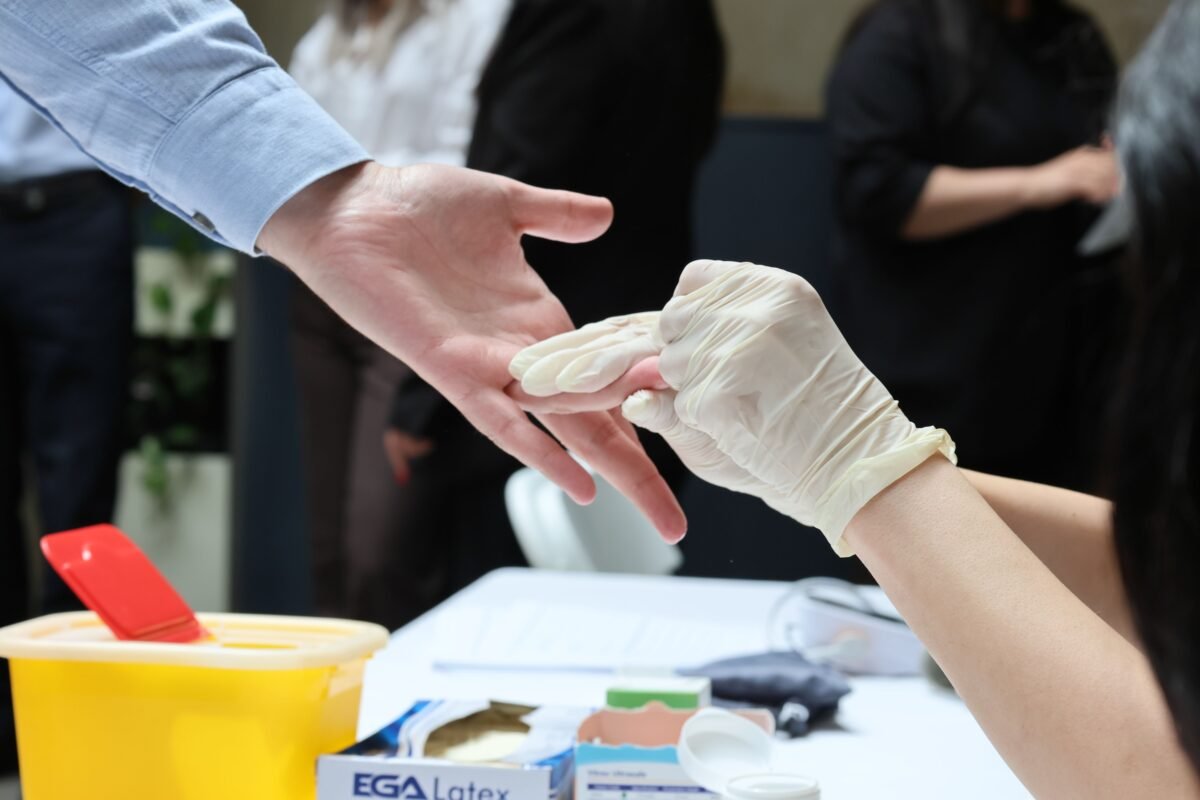
Many conditions develop quietly. You can feel completely normal while carrying a risk factor that deserves attention. what is preventive care Routine assessments give you a chance to find these issues while they are still easier to manage.
Early detection is not automatically good for everyone, though. Screening can produce false-positive results, trigger extra follow-up tests, and cause anxiety. what is preventive care For that reason, recommendations should rest on evidence.
The U.S. Preventive Services Task Force (USPSTF) maintains evidence-based recommendations for many preventive services. It weighs the benefits against the possible harms for specific groups, and its advice changes with age, risk level, and circumstances.
Why Is Preventive Care Important?

Healthcare should not be limited to repairing problems after they appear. what is preventive care Regular preventive services create repeated opportunities to identify risks, talk about habits, track changes, and decide whether further evaluation makes sense.
Finding Health Problems Early
Some diseases give no warning in their early stages. Screening can sometimes reveal a disease or risk factor before symptoms begin. That said, nobody needs every possible test. what is preventive care Screening guidance is built around specific populations, which is why the USPSTF does not treat all adults as having identical needs.
Reducing Disease Risk
Smoking, physical inactivity, poor nutrition, heavy alcohol use, and some genetic factors all influence chronic disease risk. what is preventive care A preventive visit is a natural moment to talk about them. The conversation might touch on diet, exercise, tobacco, sleep, stress, weight, or alcohol, depending on what matters for you.
Managing Chronic Disease Risk Factors
Heart disease, type 2 diabetes, hypertension, obesity, and some cancers often need long-term attention. Preventive medical care does not replace treatment for a condition you already have. what is preventive care It works alongside treatment by spotting risk factors and supporting day-to-day health.
If diabetes runs in your family, for instance, your clinician may consider your overall risk when deciding whether and when to screen you. what is preventive care The same logic applies to cardiovascular disease, certain cancers, and infections.
Supporting Long-Term Health
Preventive care is also about building a continuing relationship with the healthcare system. When you keep track of past screenings, vaccines, family history, and medications, your appointments become far more productive. Small, steady steps add up over the years, and good records keep important information from slipping through the cracks.
What Does Preventive Care Include? Preventive Care Services Explained
Preventive care services reach well beyond a yearly checkup. what is preventive care Depending on the person, they may include routine visits, screenings, vaccinations, behavioral health services, counseling, and risk assessments.
What Is Considered Preventive Care During a Routine Visit?
A wellness visit gives a clinician the chance to review your overall health and identify what you may need. what is preventive care Typical topics include:
- Current concerns and symptoms
- Personal and family medical history
- Medications and allergies
- Blood pressure and other measurements
- Vaccination history
- Recommended screenings
- Lifestyle and behavior
- Mental health
- Follow-up on earlier results
CMS lists annual wellness visits and physical exams among its examples of preventive services. what is preventive care Keep in mind that a “physical” does not mean exactly the same thing for every person or every insurance plan. What is included can differ.
Preventive Health Screening
A preventive health screening looks for certain conditions in people who have no symptoms. Common areas include blood pressure, cholesterol and cardiovascular risk, diabetes, certain cancers, mental health, and some infectious diseases.
Which preventive screening is right for you depends on your situation. What is advised for a 25-year-old may be very different from what is advised for a 65-year-old, and family history can shift the plan further.
Vaccinations and Immunizations
Vaccination is a major pillar of preventive health. Vaccines reduce the risk of specific infections and their complications. what is preventive care Adult recommendations depend on age, vaccine history, pregnancy, medical conditions, occupation, and travel.
The CDC’s adult immunization schedule asks clinicians to weigh age, medical conditions or other indications, vaccine intervals, contraindications, precautions, and updated guidance.
Mental Health and Behavioral Health Screening
Preventive healthcare is not only about the body. Mental health concerns can affect sleep, relationships, work, physical health, and quality of life. what is preventive care The USPSTF, for example, currently recommends anxiety screening for adults 64 years or younger, including pregnant and postpartum people.
A screening result is not a diagnosis. An abnormal result simply means that a closer look may be needed.
Lifestyle and Health Counseling
Counseling during a preventive visit may cover healthy eating, physical activity, tobacco cessation, alcohol use, weight management, stress, sleep, sexual health, and injury prevention. what is preventive care Good counseling is not a generic list of rules. It accounts for your circumstances and priorities.
Risk-Factor Assessments
Risk assessment helps clinicians decide which services make sense. It looks at age, family history, earlier results, existing conditions, medications, lifestyle, and pregnancy status. what is preventive care Someone with a strong family history of a particular disease may need a different approach from someone without one.
What Is Covered Under Preventive Care? Common Preventive Health Screenings
There is no universal screening list. The areas below are common examples of preventive health services, but whether a specific test applies to you is an individual decision.
Blood Pressure Screening
High blood pressure often causes no obvious symptoms, so routine measurement is useful even when you feel fine. what is preventive care One elevated reading does not equal a diagnosis. Your clinician may repeat the measurement or suggest further assessment.
Cholesterol Screening
Cholesterol and lipid tests help estimate cardiovascular risk. How often you need them depends on age, history, family history, existing conditions, medications, and prior results. what is preventive care A single cholesterol number should never be read in isolation, because total cardiovascular risk is what counts.
Diabetes Screening
Blood glucose screening may be recommended for people who meet certain age or risk criteria. what is preventive care Risk factors include body weight, family history, earlier glucose results, and pregnancy-related history. The goal is to find people who may need further evaluation.
Cancer Screenings
Cancer screening is the area where one-size-fits-all advice can mislead people the most. what is preventive care Each cancer has its own screening methods, benefits, risks, and target groups. Examples include colorectal, breast, cervical, and lung cancer in eligible high-risk groups, along with prostate cancer discussions for appropriate populations.
The USPSTF publishes recommendations for many of these, with criteria based on age, sex, and risk factors. what is preventive care Because the details change, always confirm the current guidance with your clinician.
USPSTF Colon Cancer Screening and Colorectal Screening Options
The USPSTF colon cancer screening recommendation applies to adults within specific age ranges and offers more than one way to screen. what is preventive care A preventive colonoscopy lets a clinician look directly at the colon and, if needed, remove polyps during the same procedure. Stool-based tests, such as the fecal immunochemical test (FIT) or the older FOBT approach, check for hidden blood in a stool sample.
Many people now ask about at-home colon cancer screening. Kits like Cologuard allow you to collect a stool sample at home and mail it to a lab. This can be a convenient, non-invasive colorectal cancer screening option, but a positive result normally requires a follow-up colonoscopy. what is preventive care Which option suits you depends on your age, risk, preferences, and what your insurer covers. If you are searching for colon cancer screening near me, a primary care office or a local gastroenterology clinic is the best place to start.
USPSTF Breast Cancer Screening and Mammogram Screening Age
The USPSTF breast cancer screening guidance addresses when to begin mammograms and how often to repeat them. The right mammogram screening age depends on your personal and family history, and recommendations have shifted over time, so check the latest advice. what is preventive care A preventive mammogram is generally intended for people without symptoms. If a lump or other change appears, imaging is ordered for diagnostic reasons instead. An annual mammogram screening schedule may be suggested for some people and a less frequent schedule for others.
USPSTF Lung Cancer Screening
Lung cancer screening is not for everyone. The USPSTF lung cancer screening recommendation targets adults who meet specific age and smoking-history criteria, using low-dose CT scanning. what is preventive care People often search for the US Preventive Task Force lung cancer screening criteria because eligibility rules are precise. If you smoke or used to, ask your clinician whether you qualify. Medicare also covers lung cancer screening for people who meet its own criteria.
Infectious Disease Screening
Some people benefit from screening for sexually transmitted infections, hepatitis, tuberculosis, or other infections, depending on age, pregnancy, exposure, travel, or occupation.
Mental Health Screening
Depression and anxiety may be assessed with validated questionnaires or a simple conversation. A positive result does not prove that a disorder exists. It signals that more evaluation may be useful.
What Is Preventive Care at Different Ages and Life Stages?
Preventive care changes as you move through life, and even people of the same age can have different needs.
Preventive Care for Young Adults
Young adults often need attention on vaccines, blood pressure, mental health, sexual health, and lifestyle. what is preventive care It is also a good time to find a primary care clinician and to learn your family history, since knowing whether close relatives have had heart disease, diabetes, or certain cancers can guide future decisions.
Adult Preventive Care and the Adult Annual Physical
During adulthood, adult preventive care may include cardiovascular risk assessment, vaccines, cancer screening when appropriate, mental health screening, and counseling. An adult annual physical is a common way to organize these. what is preventive care Focus shifts as risk changes with age, and it helps to keep records of past screenings and vaccines.
Women’s Annual Physical
A women’s annual physical often adds topics such as cervical cancer screening, breast health, contraception, and pregnancy planning. Needs vary with age and history, so the visit should be tailored rather than copied from a template.
Preventive Care for Older Adults
Older adults may face different screening and vaccine decisions. Care can include cardiovascular assessment, cancer screening when appropriate, vaccination, fall risk, bone health, cognitive concerns, and medication review. what is preventive care Whether to continue a given screening can depend on overall health and life expectancy, not age alone, so an individual conversation matters.
Preventive Care During Pregnancy
Pregnancy changes what preventive care looks like. Prenatal care monitors both the pregnant person and the developing baby, and decisions about screening and vaccines follow current medical guidance. what is preventive care Anyone who is pregnant or planning to be should discuss medications, vaccines, screening, nutrition, and existing conditions with a qualified professional.
Preventive Care for People With Higher Risk
Some people need more individualized planning, including those with strong family histories, certain genetic conditions, earlier abnormal results, chronic illness, weakened immune systems, or particular occupational exposures. what is preventive care Higher risk does not mean disease. It means your plan may need closer attention.
What Vaccines Are Part of Preventive Care?
Vaccines are central to preventive healthcare services because they work before an infection takes hold. what is preventive care The CDC adult schedule includes vaccines such as influenza, tetanus-containing vaccines, HPV, hepatitis vaccines, pneumococcal vaccines, and the shingles vaccine, with recommendations varying by age and risk.
Routine and Seasonal Adult Immunizations
Some vaccines are recommended for all adults, while others apply only to certain ages or risk groups. what is preventive care If your records are incomplete, a clinician can work out what information is available and whether more doses are needed. Influenza vaccination is the classic seasonal example. Guidance can change from year to year, so rely on current recommendations rather than an old schedule.
Vaccines Based on Age or Risk
Some vaccines become relevant because of age. Others are recommended because of pregnancy, medical conditions, work, travel, or higher risk of severe illness. The CDC specifically advises clinicians to consider medical conditions and other indications along with age.
How Often Should You Get Preventive Care?
There is no single answer. Some services are annual, some are less frequent, some happen once, and others depend on your risk or earlier results.
Why There Is No Single Schedule
Recommendations combine evidence with individual risk. what is preventive care Two people of the same age can have different needs because one has a family history, takes certain medications, has a chronic condition, or had an abnormal screening result. Copying someone else’s checklist can therefore be misleading.
How Age, Family History, and Risk Factors Change Your Plan
Age affects when a screening starts, how often it repeats, and when it may stop offering enough benefit to outweigh harms. The USPSTF reflects this by tying recommendations to specific age groups and risk categories.
Family history can alter the plan too. what is preventive care A strong family history of certain cancers may lead a clinician to discuss risk and screening differently. Lifestyle factors such as smoking, inactivity, poor nutrition, and heavy drinking also matter.
How Your Provider Decides What You Need
A clinician typically considers your age and life stage, personal history, family history, medications, earlier results, lifestyle, vaccination record, and current evidence-based guidance. This beats following a random online checklist.
The Annual Physical, Annual Checkup, and Wellness Checkup: What Is the Difference?
These terms are used loosely, which causes confusion.
An annual physical or annual physical exam usually includes a hands-on examination, measurements, and a review of your health. An annual checkup or annual wellness checkup is a broader term that may focus more on prevention, counseling, and planning. A wellness checkup may be less of an exam and more of a conversation.
So is an annual physical the same as preventive care? Not necessarily. They overlap, but what is included depends on the purpose of the visit, your needs, the setting, and insurance rules. what is preventive care Rather than asking only for an “annual physical check up,” ask which preventive services are appropriate for you.
Annual Physical Labs
People often ask about annual physical labs. Common blood tests include cholesterol, blood glucose, and sometimes a metabolic panel or blood count, but the lab list depends on your age, risk, and history. Not every test is needed every year. If a lab is ordered to investigate a symptom, it may be billed as diagnostic rather than preventive.
Telehealth Annual Physical
A telehealth annual physical, sometimes offered through virtual preventive care services, can cover history, counseling, medication review, and planning. Because a clinician cannot examine you in person or draw blood over video, you may still need a separate visit for measurements and labs. Telemedicine preventive care is best seen as a convenient complement, not a full replacement for every in-person service.
Finding Preventive Care Near Me
If you are searching for preventive care near me, an annual physical near me, or preventive medicine near me, start with your primary care clinician or your insurer’s provider directory. what is preventive care Community health centers, employer clinics, and some pharmacies also offer preventive services such as vaccines and basic screenings.
Preventive Care and Chronic Disease
Prevention is closely tied to chronic disease, but it should never be mistaken for guaranteed protection. Some chronic conditions can be prevented or their risk lowered, while others cannot be fully prevented.
Heart Disease Prevention
Cardiovascular prevention may involve blood pressure checks, cholesterol evaluation, tobacco counseling, physical activity, nutrition, and weight. what is preventive care The right approach depends on total cardiovascular risk. Someone with normal cholesterol may still have other risk factors worth addressing.
Diabetes Prevention and Early Detection
Healthy eating, regular activity, and weight management when appropriate can lower diabetes risk for some people. Screening can also find abnormal blood glucose early so that further evaluation can follow.
Cancer Prevention and Screening
Cancer prevention is broader than screening. Some strategies reduce exposure to known risk factors, while screening tries to find certain cancers or precancerous changes early. what is preventive care Because each cancer needs a different approach, follow recommendations that match your age, sex, risk profile, and history.
Managing Modifiable Risk Factors
Tobacco use, inactivity, poor diet, and excessive alcohol use are examples of risks you can change. Changing a long-standing habit is hard. Preventive care works best when advice is realistic and personal instead of a list of perfect behaviors.
Benefits of Preventive Health Care
The benefits of preventive health care come down to a few practical advantages:
- Earlier awareness. Some problems are noticed before symptoms develop.
- Lower risk. Vaccines and lifestyle changes can reduce the chance of certain illnesses.
- Better conversations. Regular contact with a clinician makes it easier to raise concerns.
- Organized health information. Keeping records helps you and your care team make better decisions.
- Informed choices about cost. Knowing what is covered helps you avoid surprise bills.
Preventive care does not eliminate all disease, but it improves the odds that you act at the right time.
How to Stay on Top of Preventive Care
You do not need a complicated system.
Keep a Personal Health Record
Track vaccinations, screening results, major diagnoses, medications, allergies, family history, and important test results. A digital record is convenient, and a simple notebook works too.
Schedule Routine Primary Care Visits
Primary care clinicians often provide preventive, wellness, and treatment services and coordinate with specialists. what is preventive care CMS describes primary care as covering prevention, wellness, and treatment of common illnesses. Regular contact keeps preventive needs from being forgotten.
Ask Which Screenings You Are Due For
Useful questions include:
- Which screenings am I due for?
- Which vaccines should I get?
- Has my family history changed my screening needs?
- When should I repeat my next screening?
- Do any earlier results need follow-up?
Keep Vaccinations Up to Date
Review your vaccine record from time to time. The CDC schedule can change, and recommendations depend on age and health. If you are unsure whether you received a vaccine, say so instead of guessing.
Discuss Family and Personal Health History
Family history is easy to overlook. Tell your clinician about close relatives with significant diseases, especially if they were diagnosed young. Previous abnormal results, surgeries, pregnancies, chronic conditions, and medications also influence decisions.
Follow Up on Abnormal Results
An abnormal screening result is not a diagnosis. It may call for repeat testing or further evaluation. Do not ignore follow-up instructions, but do not assume the worst before the result has been properly assessed.
What Is Considered Preventive Care for Health Insurance?
Whether a service is medically appropriate and whether your plan pays for it are two separate questions. A service may be recommended yet covered differently depending on your plan, eligibility, location, provider, and the purpose of the service.
What Is Covered Under Preventive Care?
Coverage can include certain screenings, vaccines, wellness visits, and other services, depending on your plan. In the United States, the Affordable Care Act (ACA) requires many plans to cover specified preventive services without cost sharing when certain conditions are met. what is preventive care ACA preventive care rules generally draw on recommendations such as those from the USPSTF and the CDC. Details vary, and some plans, including grandfathered ones, may differ.
If you are asking what labs are covered under preventive care, the answer depends on whether the lab is part of a recommended preventive service for you or is ordered to investigate a symptom. A cholesterol test for a healthy adult may be preventive, while a repeat test to monitor a known condition may not be.
Why Coverage Can Vary
Coverage can depend on eligibility, age, medical indication, provider network, frequency limits, whether the service is preventive or diagnostic, and current plan rules. Always verify before assuming something will be free. what is preventive care Employer plans and insurers, such as UnitedHealthcare preventive care benefits and similar UHC preventive care programs, publish their own lists, so check your plan documents for the exact preventive care coverage.
Preventive Care Under Medicare
Medicare covers a range of preventive services for eligible beneficiaries, including wellness-related services and specific screenings. These can include the Medicare annual wellness visit, certain cancer screenings, vaccines, and Medicare preventive services such as lung cancer screening and colon cancer screening for those who qualify.
What Is the Medicare Annual Wellness Visit?
The Medicare annual wellness visit (also called a Medicare well visit or annual well visit) is a planning-focused appointment. what is preventive care It typically involves a health risk assessment, a review of your history and medications, basic measurements, and a personalized prevention plan. People often search for a Medicare annual wellness visit patient handout to understand what to expect.
What Is Not Covered in the Medicare Annual Wellness Visit?
This is a common surprise. The wellness visit is generally not a full head-to-toe physical exam, and it does not usually cover treatment of new or existing problems. If your clinician addresses a new symptom or manages a chronic condition during the same appointment, you may receive a separate bill. what is preventive care Likewise, a Medicare annual physical is different from the wellness visit, and some services are not covered by Medicare at all. Review current Medicare guidance before you book.
Medicaid Preventive Services
Medicaid preventive services vary by state and by eligibility group. Many states cover screenings, vaccines, and well visits, but the specifics differ, so check with your state Medicaid program.
Questions to Ask Your Insurance Provider
Before scheduling, you can ask:
- Is this service covered under my plan?
- Does it qualify as preventive care?
- Is there a frequency limit?
- Does the provider need to be in network?
- Will I have out-of-pocket costs?
- Is prior authorization required?
A few minutes on the phone can prevent an unexpected bill.
When Should You Talk to a Healthcare Provider?
Preventive care should be personalized. Talk with a qualified clinician about your age, medical history, family history, medications, lifestyle, vaccination record, earlier results, and risk factors.
If you are unsure which services apply to you, bring your questions and health history to a primary care visit and ask which preventive services are appropriate right now. what is preventive care A clinician can also help separate routine prevention from tests needed because of symptoms or an existing condition.
Frequently Asked Questions About Preventive Care
What is preventive care?
Preventive care is healthcare meant to prevent illness, identify certain health problems early, reduce risks, or limit the effects of chronic disease. Examples include screenings, vaccines, wellness visits, assessments, and counseling.
What are examples of preventive care?
Examples include blood pressure checks, recommended cancer screenings, diabetes screening, vaccines, mental health screening, wellness visits, risk assessments, and counseling. The right ones depend on your circumstances.
Why is preventive care important?
It can reveal certain problems or risk factors before they become serious, which may allow earlier follow-up, risk reduction, or treatment.
What is the difference between preventive care and treatment?
Preventive care aims to prevent illness, detect problems early, and reduce future risk. Treatment addresses a condition, symptom, injury, or disease that is already present or suspected
How often should I get preventive care?
There is no single schedule. It varies with age, sex, pregnancy status, personal and family history, risk factors, earlier results, and current guidance.
Is an annual physical the same as preventive care?
Not necessarily. The two overlap, but the services included depend on the visit’s purpose, your needs, the setting, and insurance rules.
A Simple Preventive Care Checklist
Preventive care can feel overwhelming if you look at every screening separately. Start with the basics:
- Know your health history. Track diagnoses, medications, allergies, procedures, and past results.
- Know your family history. Share important conditions in close relatives.
- Review vaccinations. Confirm that your immunizations are current.
- Ask about screenings. Find out which tests suit your age and risk.
- Monitor key risk factors. Blood pressure, cholesterol, blood sugar, tobacco use, and activity can all matter.
- Discuss mental health. It is part of preventive healthcare.
- Keep follow-up appointments. Abnormal results may need further evaluation.
- Review your coverage regularly. Needs and plan rules change over time.
Preventive care is not about collecting as many tests as possible. It is about choosing the right services for the right person at the right time.
The Bottom Line: What Is Preventive Care Really About?
Preventive care is a proactive part of healthcare that focuses on preventing illness, finding certain problems early, lowering risk, and supporting long-term health. It can include routine visits, health screenings, vaccines, mental health screening, risk assessment, and counseling. CMS names these as key components, while the USPSTF supplies evidence-based recommendations for many of them.
The best plan is not the longest one. It is the one that fits you. Age, personal and family history, earlier results, medications, pregnancy status, and lifestyle all affect what is appropriate, and vaccine guidance changes, so current recommendations should always be checked.
Many people assume preventive care means a yearly physical and nothing more. In reality, it is an ongoing process of informed conversations, appropriate screening, vaccination, healthy habits, and timely follow-up. Good preventive care is less about doing everything and more about doing what makes sense for you.
If you have not reviewed your needs recently, book an appointment with a qualified healthcare professional and ask which screenings, vaccines, checkups, and lifestyle recommendations are right for your age, history, and risk factors.