
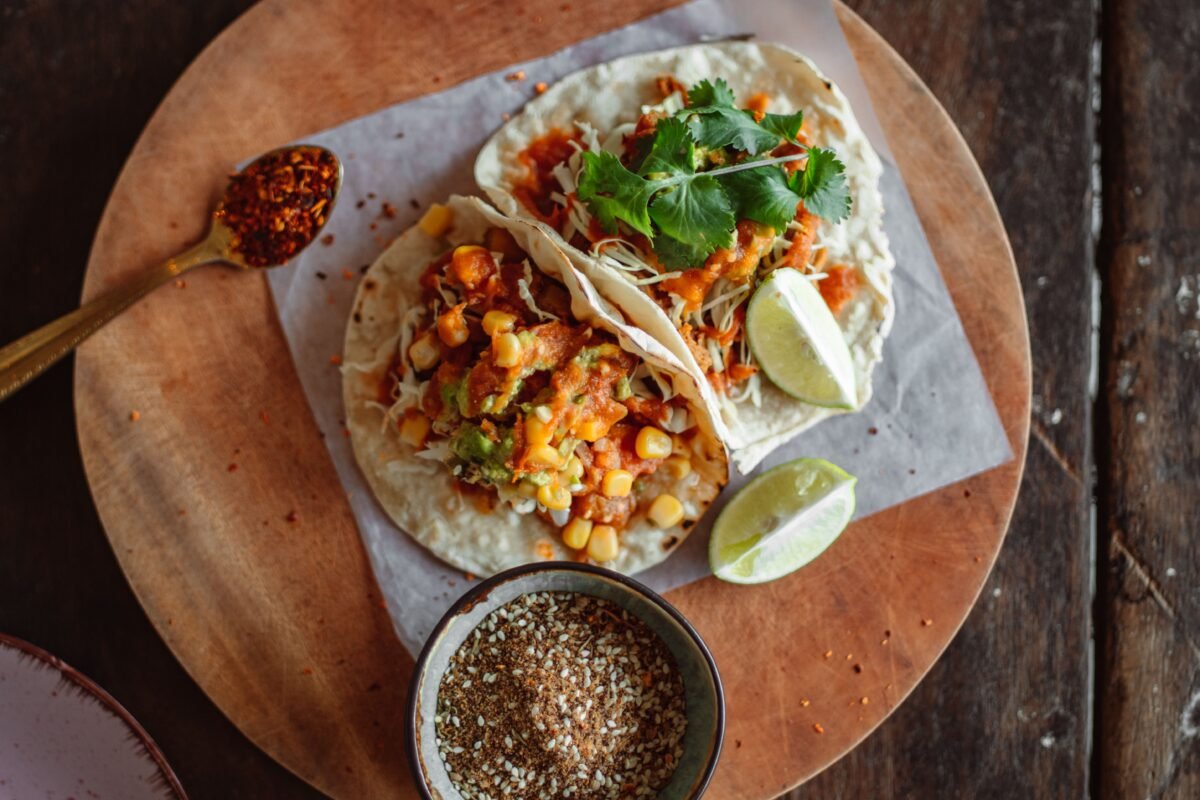
Is Mexican food healthy? Mexican food can be healthy, flavorful, and satisfying. The difference often comes down to the ingredients, cooking method, portion size, and toppings. Black beans, grilled chicken, fresh salsa, avocado, and vegetables can create a balanced meal, while oversized portions, fried shells, heavy cheese, and salty sauces can add substantial calories and sodium.
If you enjoy tacos, burritos, enchiladas, or quesadillas, you don’t have to give them up to eat well. A few smart choices can make your favorite Mexican dishes fit into a balanced diet.
So, is Mexican food healthy? Yes, many Mexican dishes can be nutritious when they’re prepared with vegetables, beans, lean protein, and sensible amounts of added fat and salt. Not every dish offers the same nutritional benefits, so knowing what goes into your meal matters.
Is Mexican Food Healthy for Everyday Eating?
Mexican food can fit into an everyday healthy eating pattern because many dishes contain protein, fiber, vegetables, and nutrient-rich ingredients. However, restaurant meals can also contain large portions, excess sodium, and significant amounts of saturated fat.
According to the USDA’s Dietary Data Brief on Mexican food consumption, published through the National Library of Medicine, Mexican food contributed an average of 30% of daily energy intake among adults who consumed it on the reported day in the 2017–March 2020 survey period. The same analysis found meaningful contributions from saturated fat and sodium. This shows why ingredients and portion sizes matter.
Is Mexican Food Healthy for Weight Management?
Mexican food can support weight management when meals provide satisfying portions of protein and fiber without excessive added fats or calories.
For example, grilled chicken tacos with cabbage, pico de gallo, and black beans can provide a filling combination of protein, fiber, and vegetables. A large burrito filled with fatty meat, extra cheese, sour cream, and creamy sauce may contain considerably more calories.
The goal isn’t to eliminate tortillas, rice, or cheese. Instead, balance your plate and pay attention to how much you eat.
Is Mexican Food Healthy for Your Heart?
It can be, especially when you choose beans, vegetables, lean proteins, and moderate amounts of unsaturated fats. Beans provide dietary fiber, while avocado contributes unsaturated fat.
Sodium is another consideration. The American Heart Association recommends no more than 2,300 milligrams of sodium per day for most adults, with an ideal limit of 1,500 milligrams for most adults. Restaurant sauces, cheese, processed meats, and seasoned ingredients can contribute substantial amounts.
Here’s the thing: fresh ingredients alone don’t guarantee a healthy meal. The entire plate matters.
What Makes Mexican Food Healthy or Unhealthy?
The nutritional value of Mexican cuisine depends on how a dish is assembled. Some ingredients provide protein, fiber, vitamins, and minerals, while others can increase calories, saturated fat, or sodium when used in large amounts.
Healthy Mexican Food Ingredients to Include
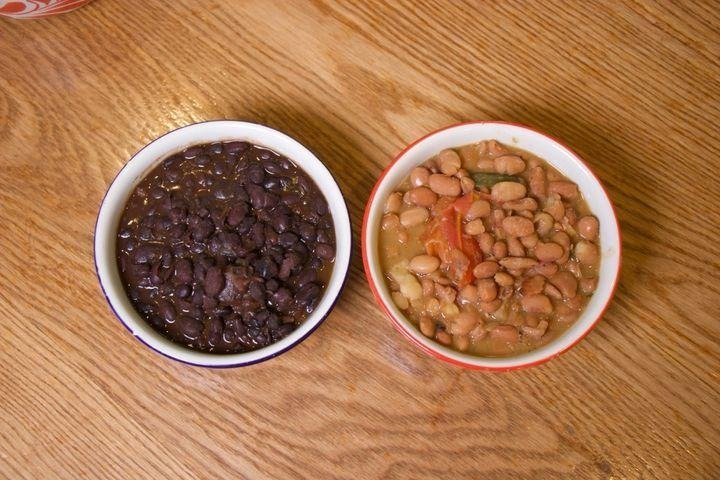
1. Black beans and pinto beans
Beans provide plant-based protein, dietary fiber, and minerals. They can make tacos, burrito bowls, and rice dishes more filling. Choose low-sodium canned beans or rinse them before use to help reduce sodium.
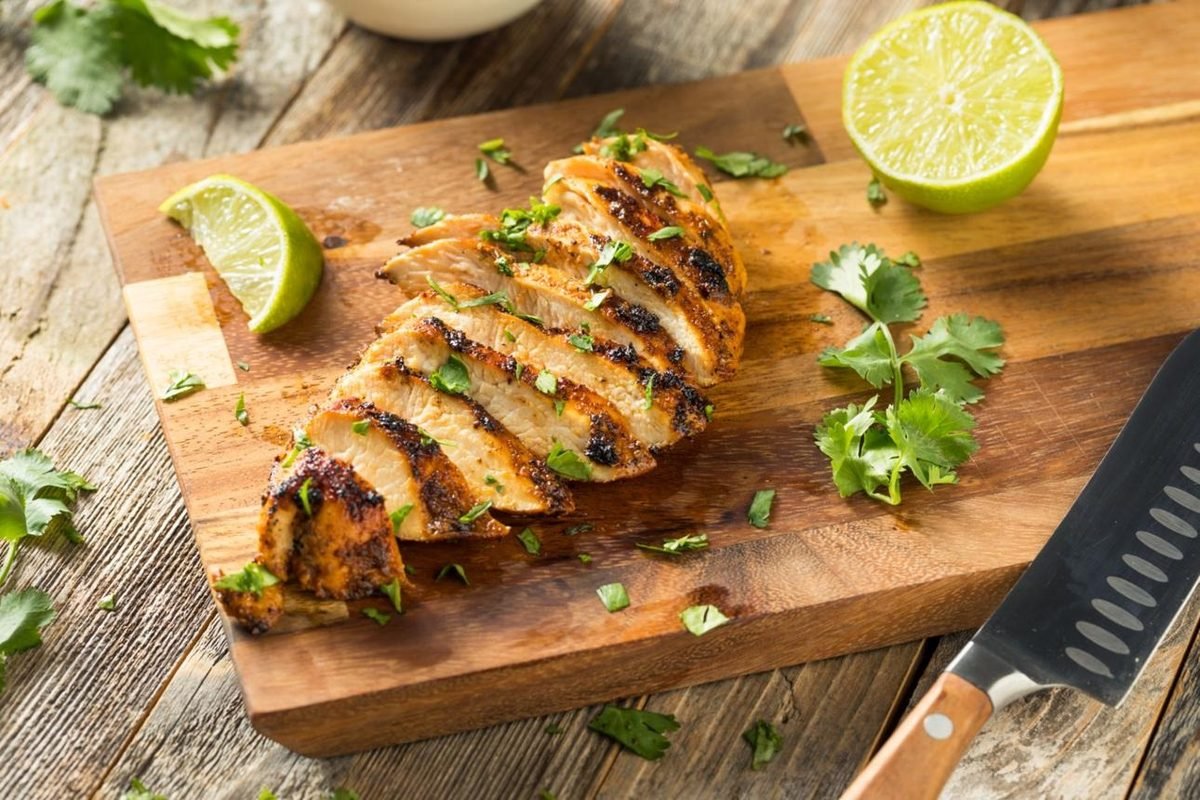
2. Grilled chicken, fish, or lean beef
These foods provide protein, which helps build and maintain muscle. Is Mexican Food Healthy Grilled or roasted options usually require less added fat than deep-fried preparations.
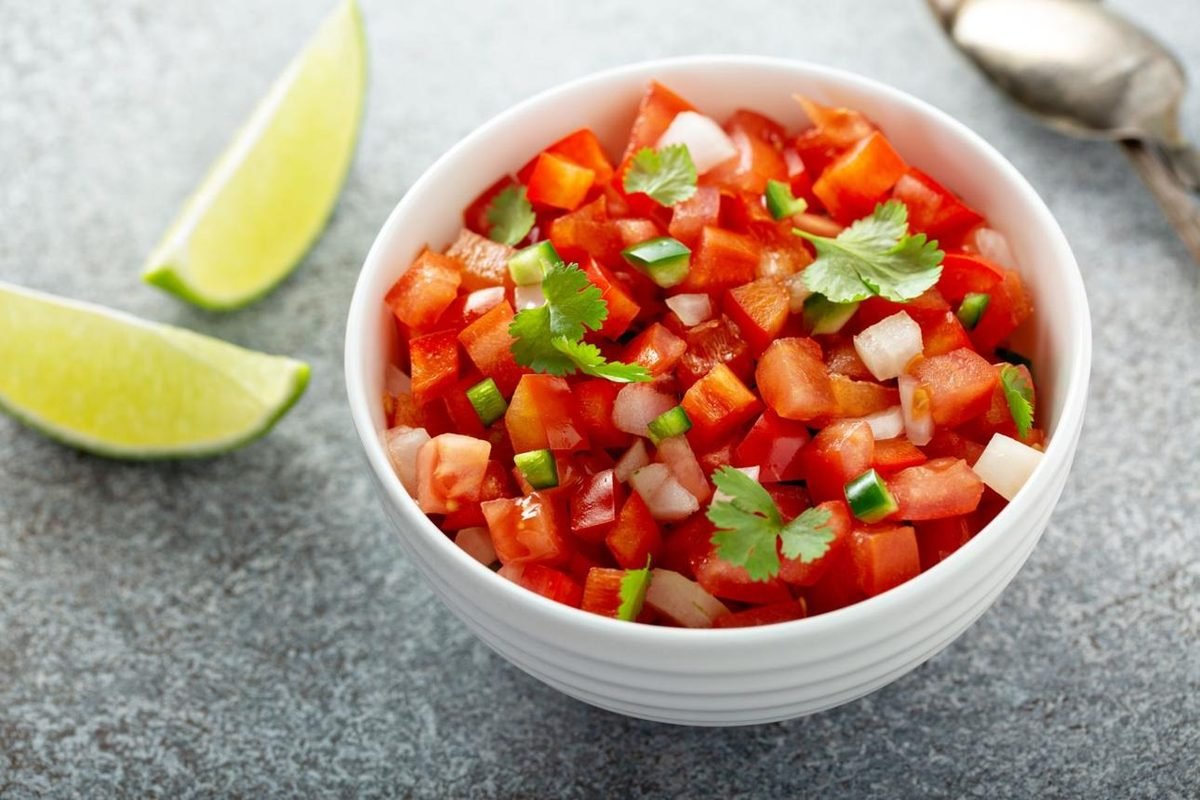
3. Fresh salsa and vegetables
Tomatoes, onions, peppers, lettuce, and cabbage add color, texture, and nutrients. Fresh salsa can add flavor without relying on heavy creamy sauces.
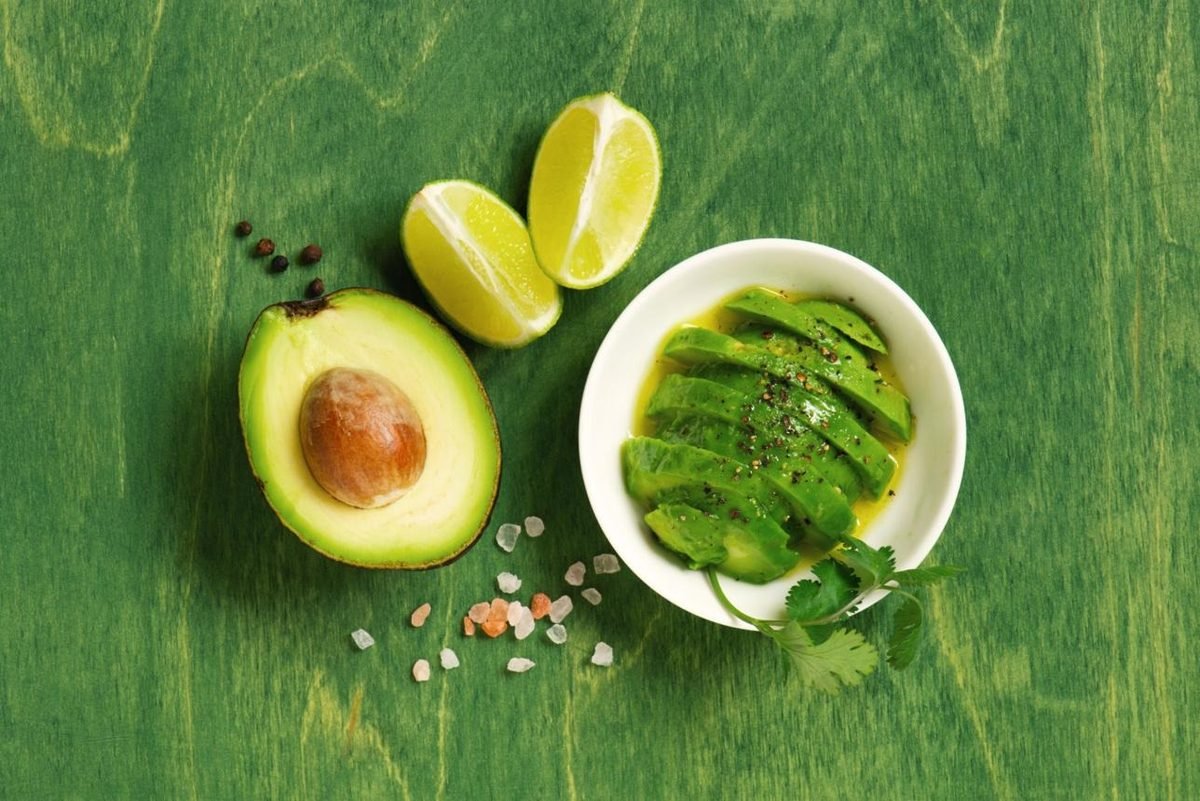
4. Avocado and guacamole
Avocado contains unsaturated fats and fiber. A moderate serving can add creaminess and flavor, although large portions still contribute substantial calories.
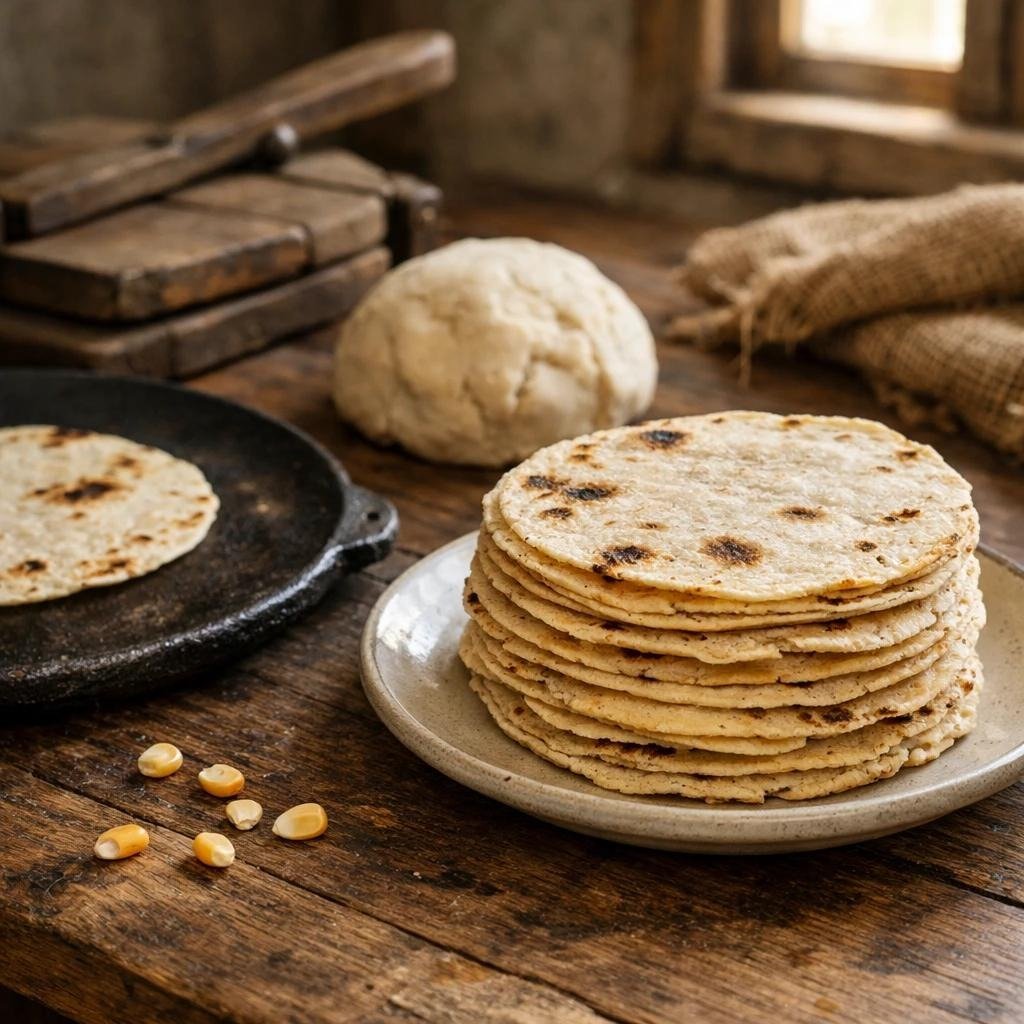
5. Corn tortillas and whole grains
Corn tortillas can be a useful base for tacos. Brown rice and other whole grains can add fiber, depending on the product and preparation.
These ingredients align with general healthy eating guidance that emphasizes vegetables, beans, protein foods, and fiber-rich grains.
Mexican Food Ingredients to Limit
You don’t need to avoid these foods completely. The key is to consider how much you use and how frequently you eat them.
- Deep-fried shells and chips: These can add calories and fat, especially when eaten in large portions.
- Excess cheese: Cheese provides protein and calcium but can also add saturated fat and sodium.
- Large servings of sour cream: Generous portions increase calories and saturated fat.
- Processed meats: Chorizo and similar meats may contain considerable sodium and saturated fat.
- Creamy sauces and salty seasoning mixes: These can make an otherwise balanced meal higher in sodium or calories.
- Sugary drinks: Sweetened sodas and restaurant beverages can add significant amounts of added sugar.
A meal doesn’t become unhealthy simply because it contains cheese or tortillas. The overall combination is what counts.
Is Mexican Food Healthy? The Best Dishes to Choose
Some Mexican dishes are easier to build into a balanced meal than others. Look for grilled proteins, beans, vegetables, and toppings that let you control portion sizes.
1. Are Chicken Tacos Healthy?
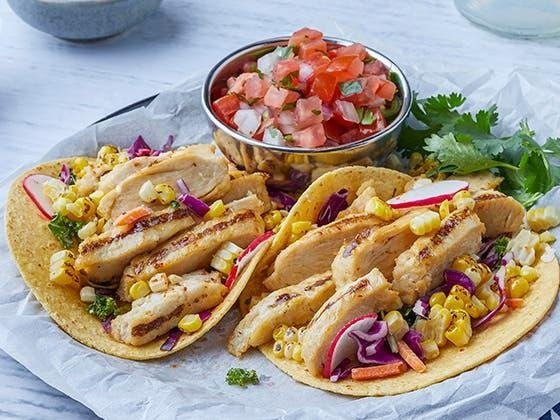
Chicken tacos can be a nutritious choice when made with grilled chicken, corn tortillas, cabbage, salsa, and fresh cilantro. Is Mexican Food Healthy They provide protein and vegetables without requiring heavy sauces.
Choose a moderate number of tacos and add beans or vegetables if you need a more filling meal. Ask for creamy sauces on the side.
2. Is a Burrito Bowl Healthy?
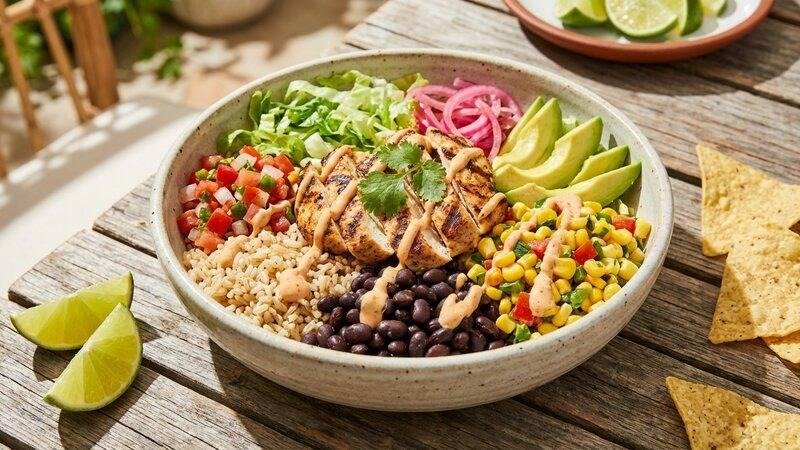
A burrito bowl is one of the easiest Mexican meals to customize. Is Mexican Food Healthy Start with a moderate serving of rice, add black or pinto beans, choose grilled chicken or another protein, and fill the remaining space with vegetables and salsa.
Avocado can add healthy fats, but you may want to choose either a large serving of guacamole or several other calorie-dense toppings rather than adding everything automatically.
3. Are Enchiladas Healthy?
Enchiladas can fit into a balanced diet, but their nutritional value depends on the filling, sauce, cheese, and serving size.
Choose chicken, beans, or vegetables as the filling, and use a moderate amount of cheese. Is Mexican Food Healthy Pair the enchiladas with vegetables or beans rather than automatically adding multiple rich sides.
4. Are Fajitas a Healthy Mexican Food Option?
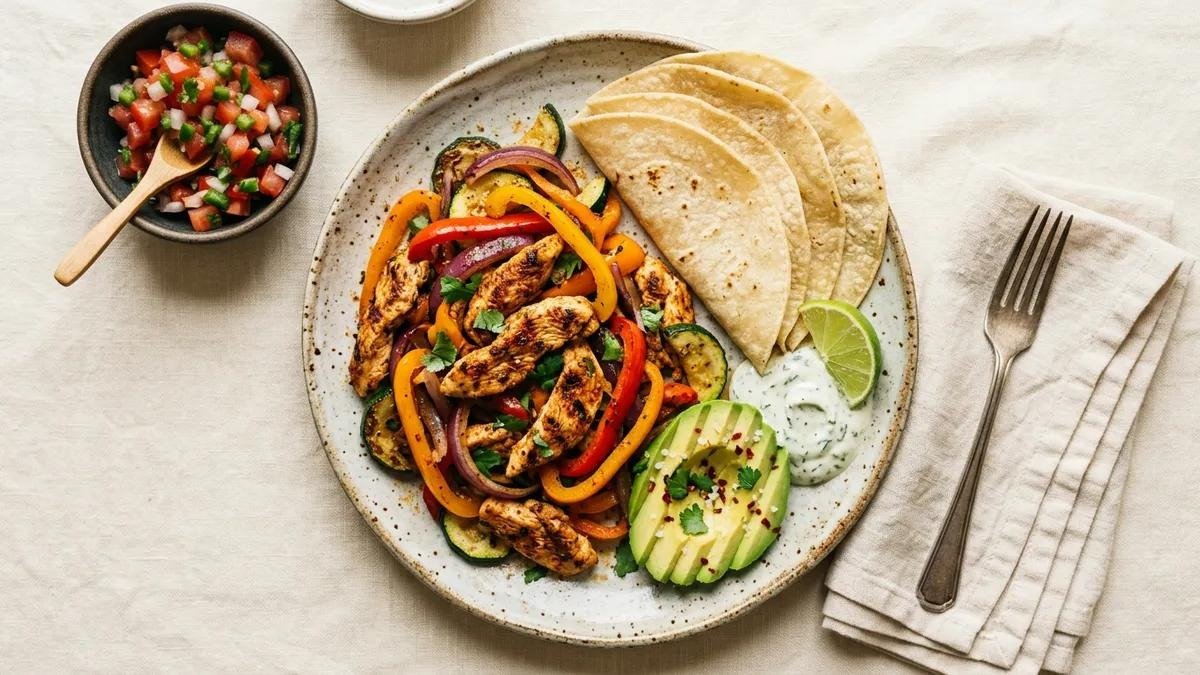
Fajitas made with grilled chicken, shrimp, or lean beef and sautéed peppers can provide protein and vegetables. Is Mexican Food Healthy They’re especially practical because you can decide how many tortillas and how much cheese or sour cream to add.
Ask for sauces on the side and be mindful of added oil and salty seasoning.
5. Are Quesadillas Healthy?
Quesadillas provide carbohydrates, protein, and calcium, depending on the ingredients. Is Mexican Food HealthyThe challenge is that restaurant versions can contain large amounts of cheese and added cooking fat.
A smaller quesadilla with beans, chicken, or vegetables can be a more balanced option. Pair it with salsa or a side salad instead of relying entirely on cheese for flavor.
Quick Comparison
| Mexican dish | Best choice | What to watch |
| Tacos | Grilled protein, corn tortillas, salsa | Extra cheese and creamy sauces |
| Burrito bowl | Beans, vegetables, lean protein | Large rice portions and multiple toppings |
| Fajitas | Grilled meat and peppers | Added oil and salty seasoning |
| Enchiladas | Chicken or bean filling, moderate cheese | Heavy sauce and oversized portions |
| Quesadillas | Moderate cheese, beans, vegetables | Extra cheese and cooking fat |
There is no universally healthiest dish. Is Mexican Food Healthy The best choice depends on your nutritional needs, portion size, ingredients, and how the meal fits into your overall eating pattern.
How to Order Healthy Mexican Food at a Restaurant
You can enjoy Mexican food at restaurants without turning every meal into a strict diet exercise. Small adjustments often make a difference.
5 Simple Ways to Make Mexican Food Healthier
- Choose grilled or roasted proteins. Try grilled chicken, fish, shrimp, or lean beef instead of deep-fried fillings.
- Add beans and vegetables. Black beans, pinto beans, peppers, lettuce, and cabbage can improve the meal’s nutrient balance.
- Control high-calorie toppings. Choose moderate amounts of cheese, sour cream, and guacamole.
- Request sauces on the side. This gives you control over how much you use.
- Pay attention to portions. Consider sharing a large entrée or saving part for another meal if the serving is bigger than you need.
According to the CDC’s sodium-reduction guidance, restaurant customers can ask for less added salt, choose fruit or vegetables as sides, and check available nutrition information when ordering.
CDC
Look — if you’re trying to eat healthier without giving up your favorite foods, start with one change at your next meal. You don’t need to overhaul everything at once.
Is Mexican Food Healthy When You Eat It Every Day?
It can be part of a healthy daily diet if your meals vary and provide a broad range of nutrients. Eating tacos every day, for example, may be perfectly workable if the fillings, vegetables, protein sources, and other foods you eat throughout the week are varied.
Still, variety matters. Is Mexican Food Healthy Alternate beans, chicken, fish, eggs, vegetables, and different whole grains rather than relying on the same high-calorie restaurant order repeatedly.
Is Homemade Mexican Food Healthier Than Restaurant Food?
Homemade Mexican food often gives you more control over oil, salt, portions, and ingredients. Restaurant meals can still be nutritious, but preparation methods and serving sizes are less predictable.
| Option | Best for | Main benefit | Limitation |
| Homemade tacos | Everyday meals | Control over ingredients and portions | Requires preparation |
| Restaurant burrito bowl | Convenient lunches | Easy to customize | Toppings and portions vary |
| Homemade bean burrito | Budget-friendly meals | Affordable protein and fiber | Large tortillas can increase calories |
| Restaurant nachos | Occasional sharing | Flexible toppings | Often high in sodium and saturated fat |
How to Make Healthy Mexican Food at Home
Try these practical steps:
- Use grilled chicken, beans, or vegetables as your main filling.
- Prepare fresh salsa with tomatoes, onions, cilantro, and lime.
- Season food with cumin, chili, garlic, and other spices to build flavor.
- Measure cooking oil rather than pouring it freely.
- Choose lower-sodium beans and sauces when available.
- Serve vegetables alongside rice, tortillas, or other grains.
Or maybe I should say it this way: homemade food isn’t automatically healthy, but it makes the important choices easier to manage.
Is Mexican Food Healthy for People With Special Dietary Needs?
The answer can change depending on your health goals and dietary restrictions. A meal that works well for one person may need adjustments for another.
Is Mexican Food Healthy for People With Diabetes?
Meals containing beans, vegetables, and protein can fit into a diabetes-friendly eating pattern. Is Mexican Food Healthy However, tortillas, rice, chips, and sweetened drinks contribute carbohydrates that need to be considered as part of the entire meal.
Choose portions that match your individual eating plan, and consult your healthcare professional or registered dietitian for advice tailored to your needs.
Is Mexican Food Healthy for People Watching Sodium?
Freshly prepared meals can make it easier to control salt, but restaurant dishes may contain sodium from cheese, sauces, seasoned meats, and packaged ingredients.
Ask for sauces on the side and request less added salt when possible. People with kidney disease or other conditions that require specific dietary restrictions should follow guidance from their healthcare team.
Is Mexican Food Healthy for Vegetarians?
Yes. Mexican cuisine offers many vegetarian-friendly ingredients, including black beans, pinto beans, corn tortillas, peppers, tomatoes, avocado, and mushrooms.
Choose beans as a protein source, add a variety of vegetables, and check whether refried beans contain lard. Is Mexican Food Healthy Vegetarian dishes can still be high in sodium or saturated fat, so the preparation matters.
Frequently Asked Questions
Is Mexican food healthy for weight loss?
Yes, Mexican food can fit into a weight-loss plan. Choose grilled proteins, beans, vegetables, and moderate portions of rice, tortillas, cheese, and sauces.
What is the healthiest Mexican food to order?
A customizable burrito bowl with beans, grilled chicken, vegetables, salsa, and a moderate serving of rice is a practical choice. Its nutritional value depends on portion size and toppings.
Are tacos healthier than burritos?
Not always. Tacos may offer smaller portions, while burritos can contain more ingredients in one large serving. Compare the fillings, tortilla size, sauces, and total portion rather than judging by the dish’s name.
Is Mexican food high in calories?
Some Mexican restaurant meals are high in calories, particularly oversized burritos, loaded nachos, and fried dishes. Grilled proteins, vegetables, beans, and controlled portions can make meals more balanced.
Can Mexican food be part of a heart-healthy diet?
Yes. Choose beans, vegetables, lean proteins, and moderate amounts of unsaturated fats. Limit excess sodium, processed meats, and large amounts of saturated fat, especially if your healthcare professional has recommended specific restrictions.
Final Thoughts
So, is Mexican food healthy? It can be, and you don’t have to sacrifice flavor to make nutritious choices.
Focus on meals built around beans, vegetables, grilled proteins, fresh salsa, and reasonable portions. Be mindful of excess sodium, fried ingredients, heavy toppings, and oversized restaurant servings.
Whether you prefer tacos, burrito bowls, fajitas, or enchiladas, the same principle applies: build a balanced meal with ingredients you enjoy. Consistency across your overall diet matters more than labeling one cuisine as good or bad.